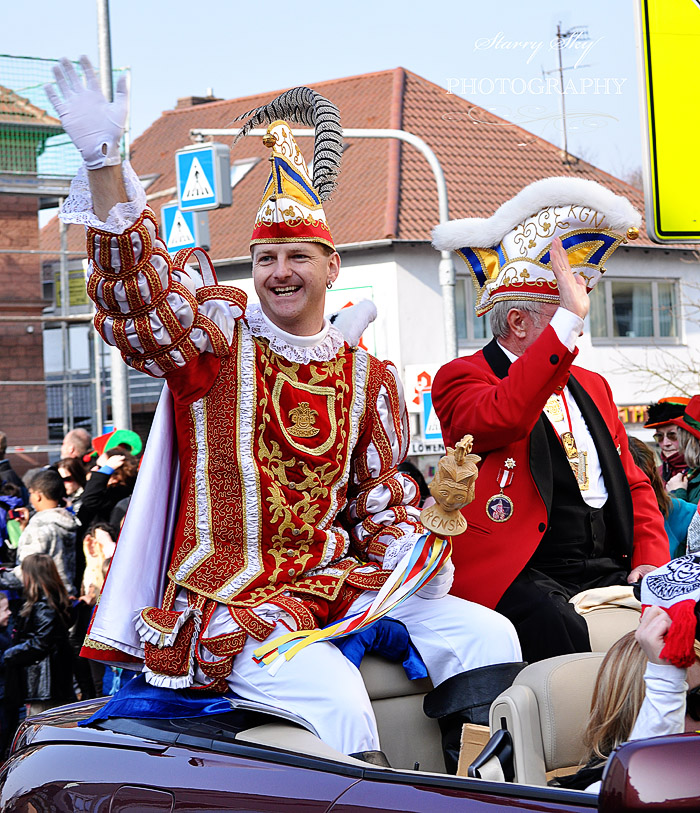
I am drawing on my German class notes and my covert zoom lens shots of locals to share the highlights of what the Germans have come to call their "fifth season" – Fasching. It is known as Karnevale in other parts of the country. The literal translation of the official name 'Fastnacht' is night of fasting. Karnevale is similarly from the latin carne=meat and vale=farewell, bidding farewell to meat during the lenten season of fast and abstinence from meat. In earlier times, this abstinence extended to eggs and milk as well so in the days leading up to lent villagers would clear out their larders and enjoy those things for the last time before Easter. (hence the egg as a symbol for Easter)
Catholic countries have had some version of these festivities for centuries. Germany kicks it up a notch by beginning the carnival season in November. November 11, at 11:11am to be precise. The number eleven in German is 'elf' and is also an acronym for the season standing for E = Egalite, L = Liberte, and F = Fraternite. History buffs will recognize this as the motto of the French Revolution. A whole 'nuther post there but I will spare you that. ; )
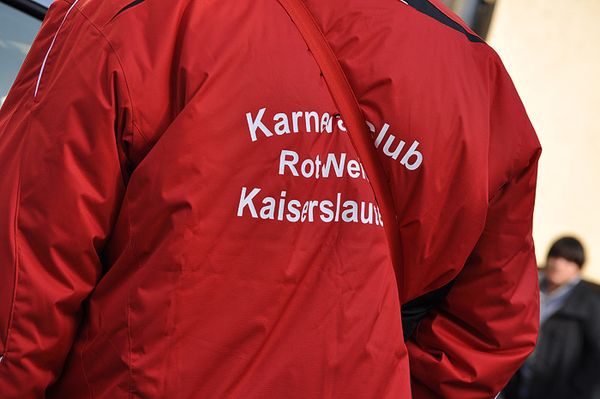
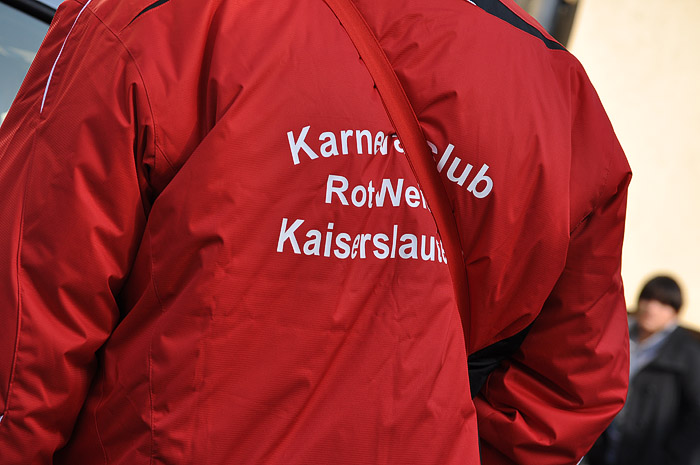
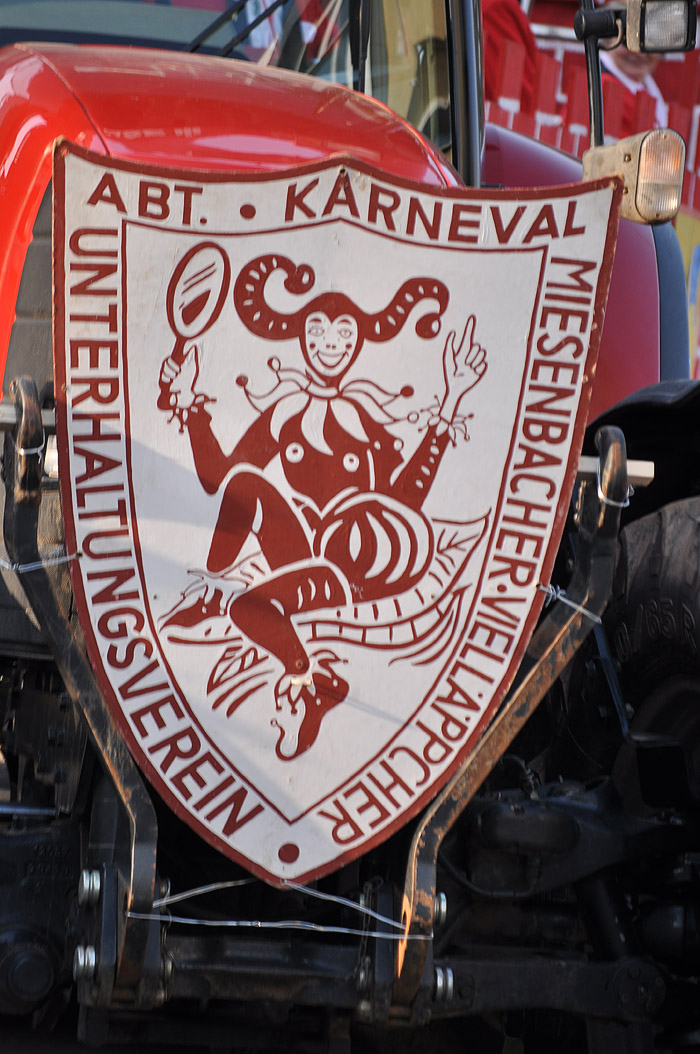
There are carnival clubs who have committees consisting of a president and 11 counselors.
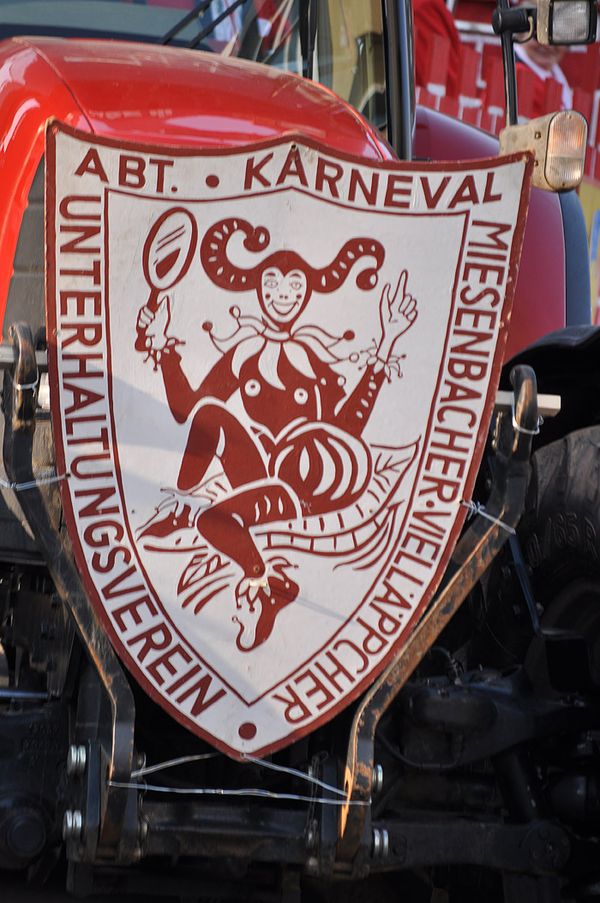
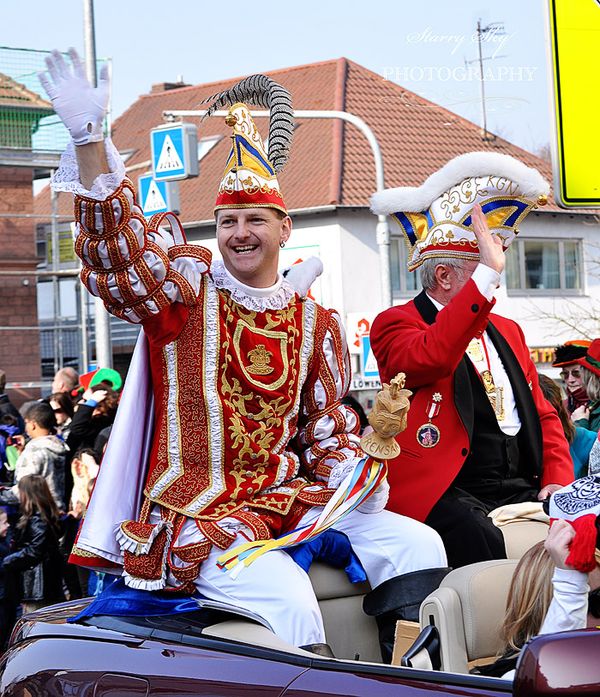
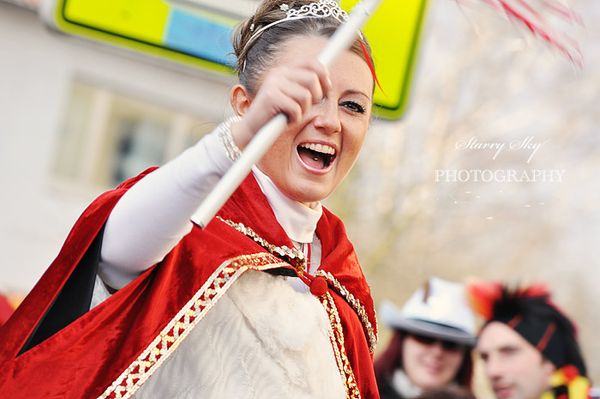
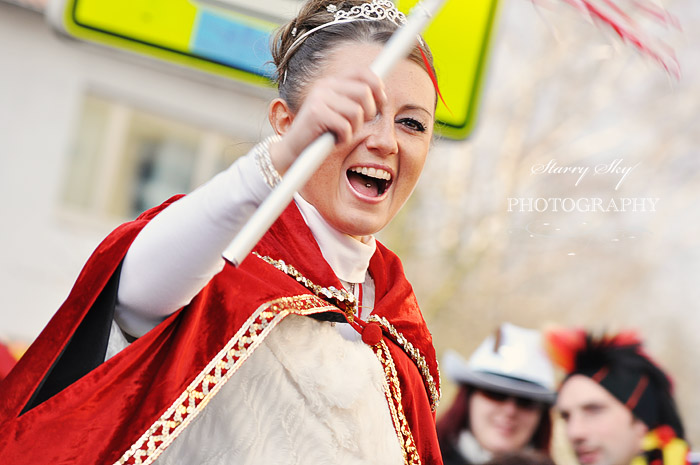
They elect an annual Fasching prince or princess and organize the communities' "crazy season" as our German teacher calls it.
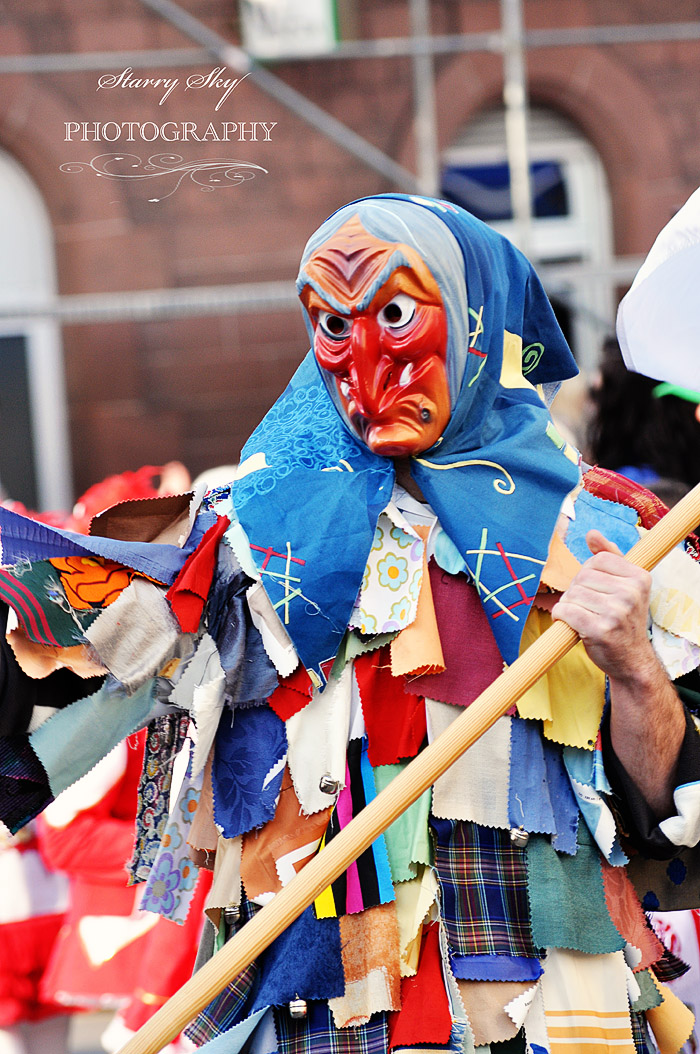
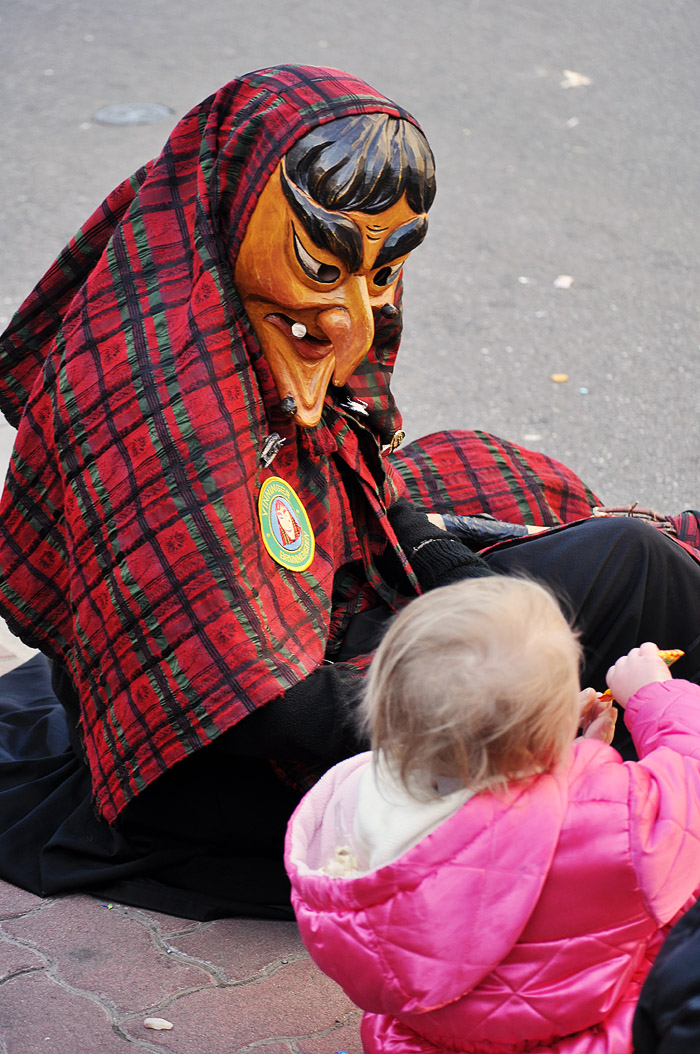
Some Fasching traditions actually precede Christianity. In ancient times villagers would gather to chase away the 'spirits of winter' by dressing in frightening masks and banging on drums and bells to scare away winter ghosts.
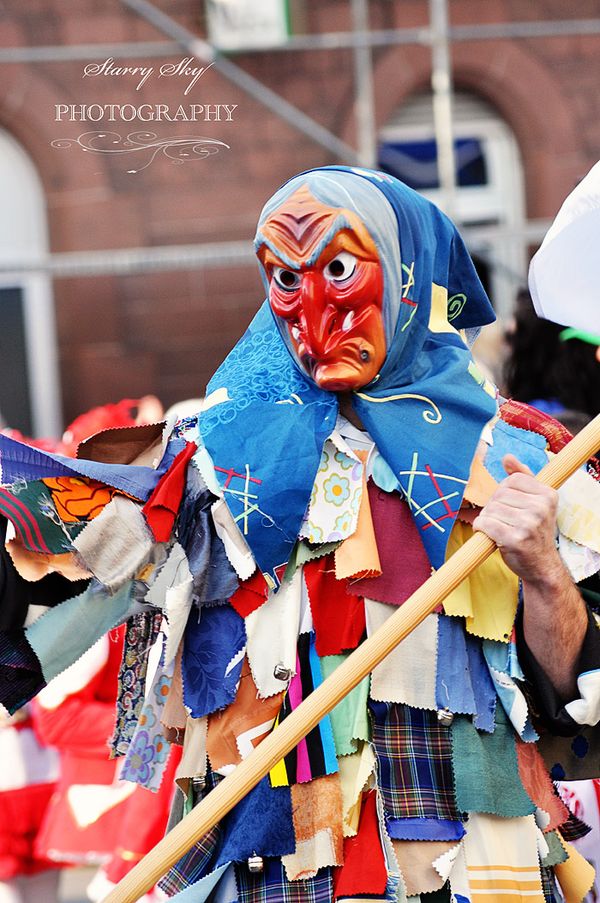

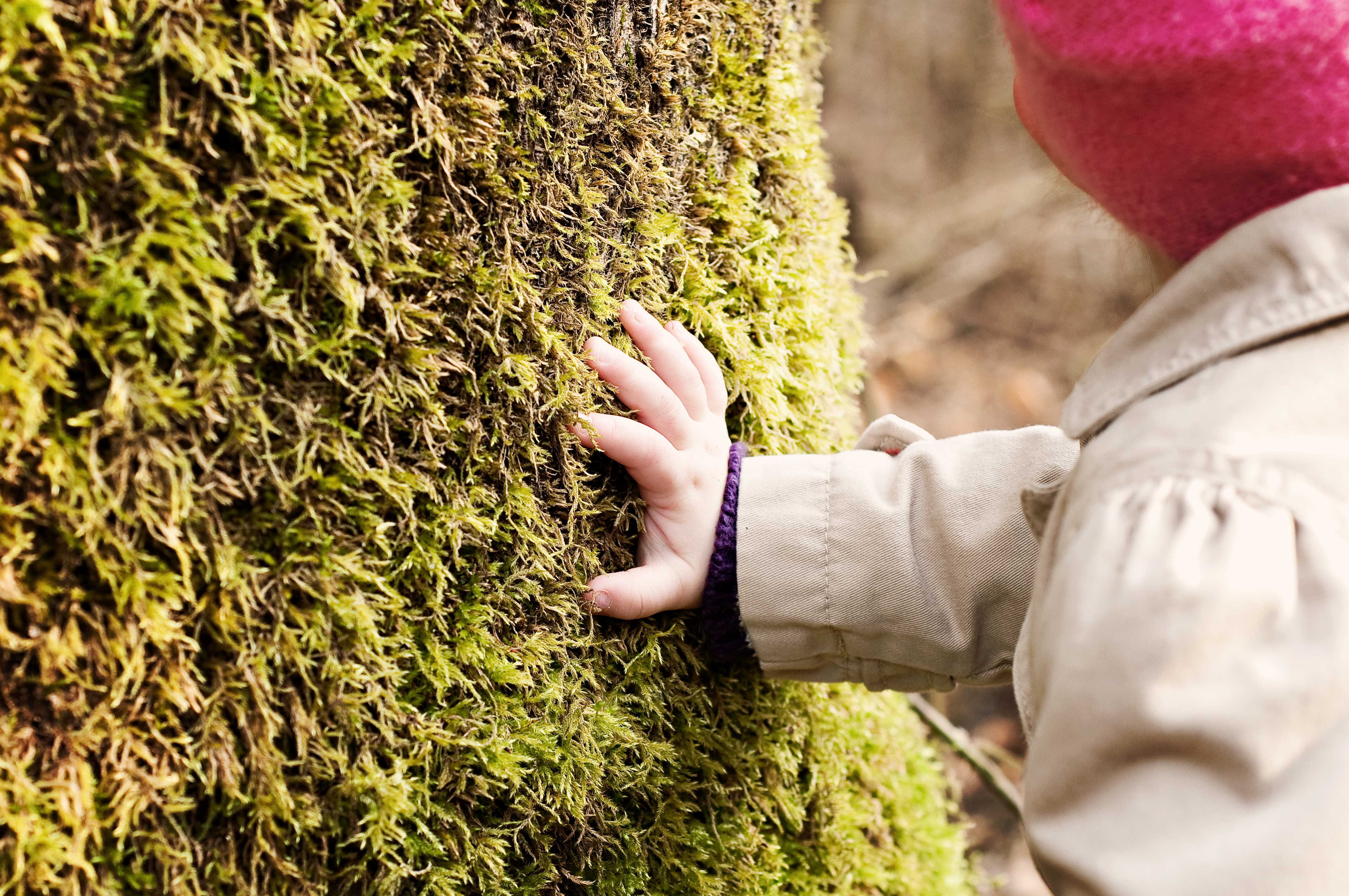
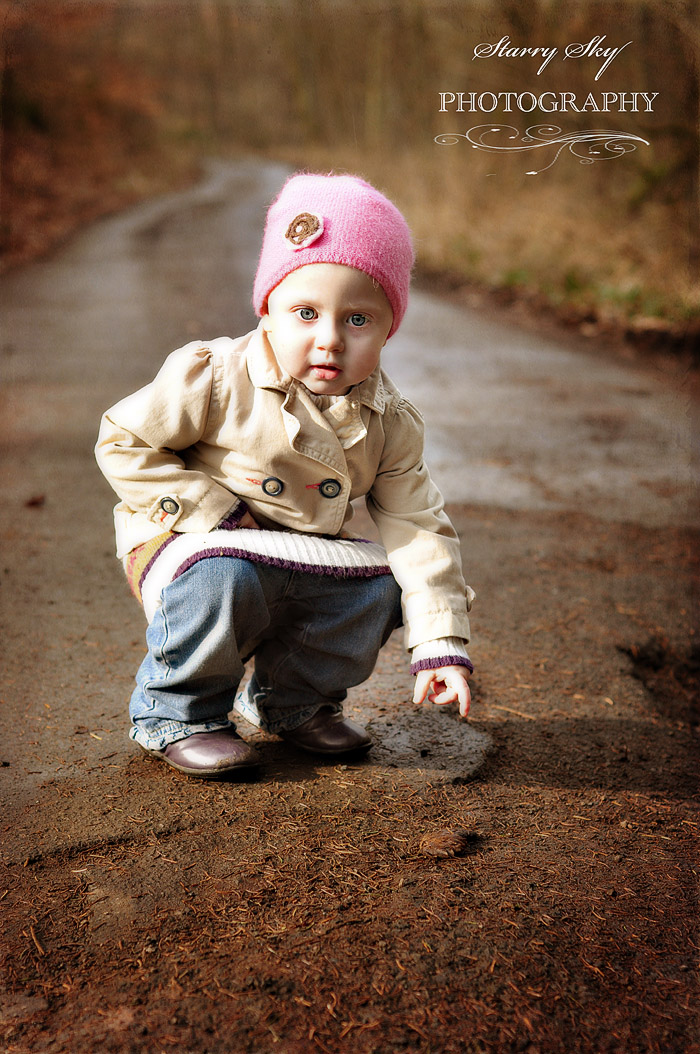
(The masks didn't phase Abbie a bit. Might have helped that they came bearing gifts. (candy) She is a fearless little person.)
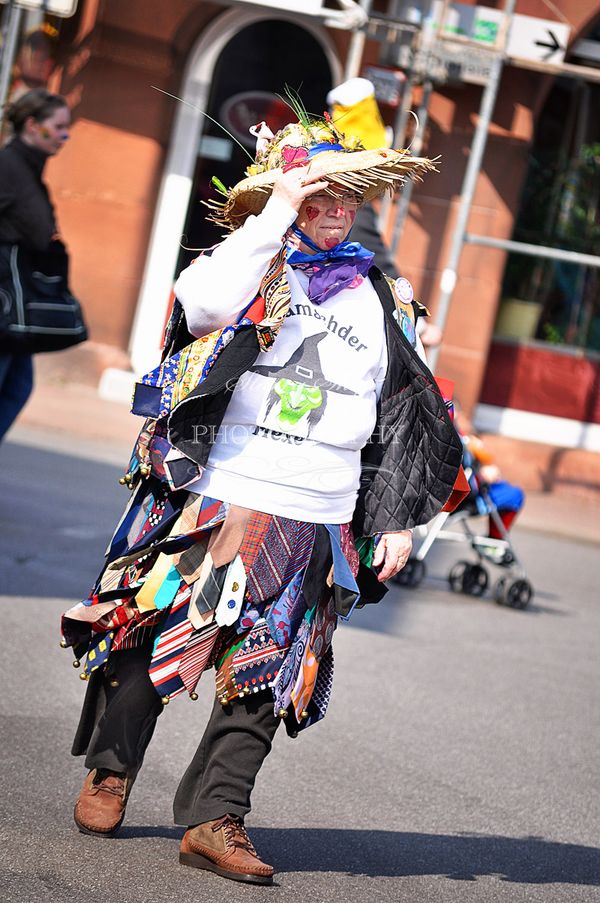
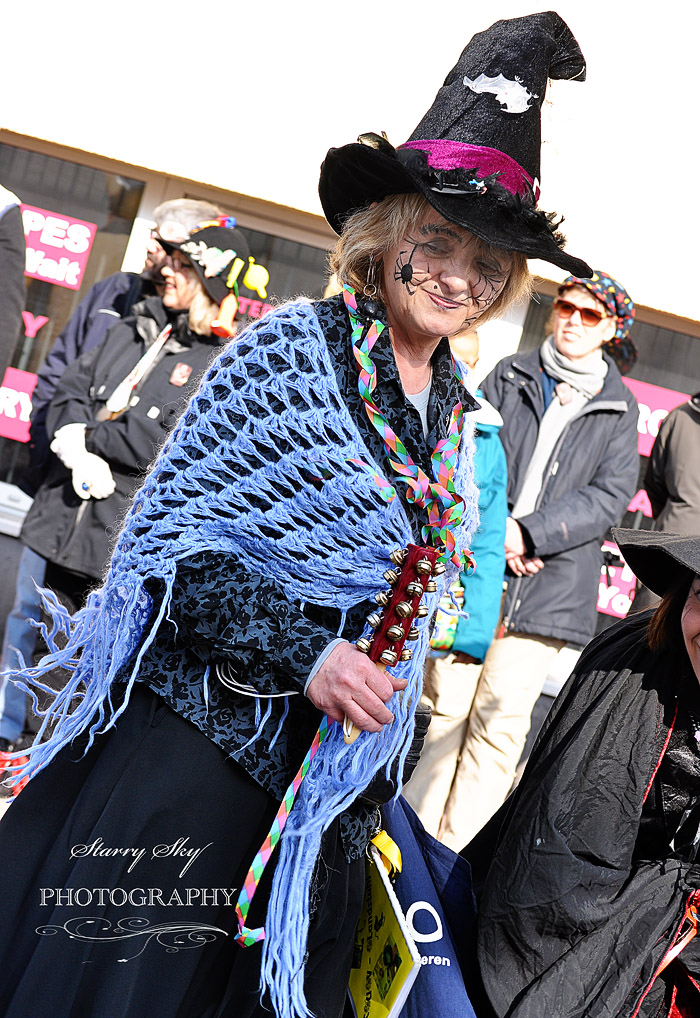
Germans tap into that history beginning on the Thursday before lent which is known as Altweiberfasching – old womens fasching. It is the day for women during Fasching season.
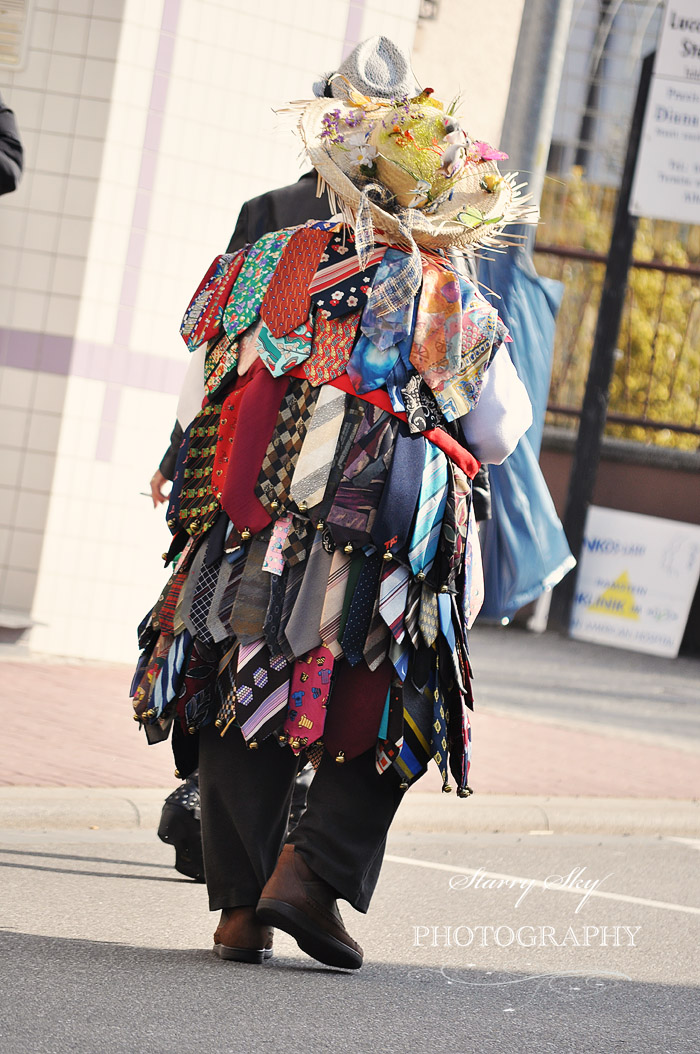
They gather together, often dressed as witches, wander the streets singing and generally carousing, looking for potential victims: men wearing ties.
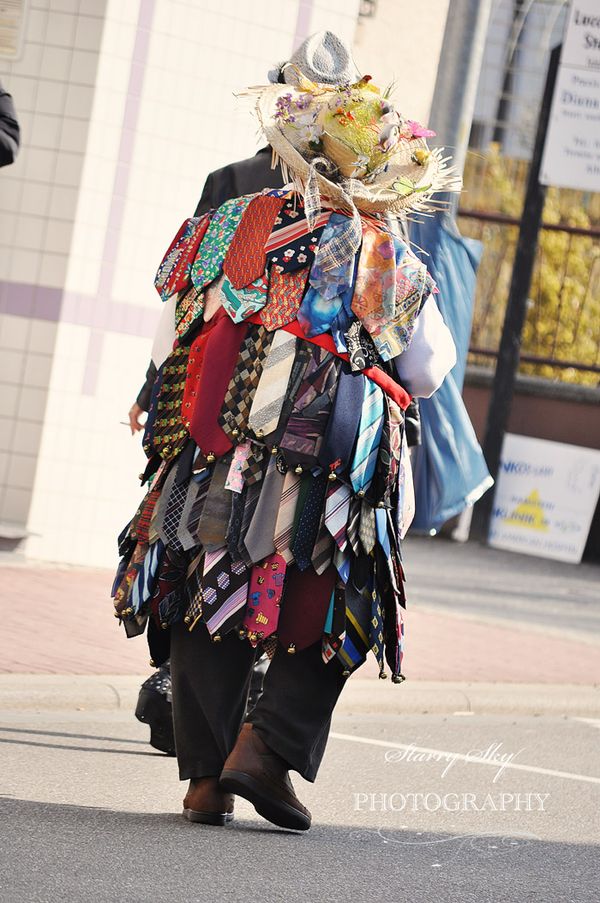
Yes, that is the goal of Altweiberfasching. Find a man with a tie and cut it off ceremonially. This tradition goes back to the 1880s.
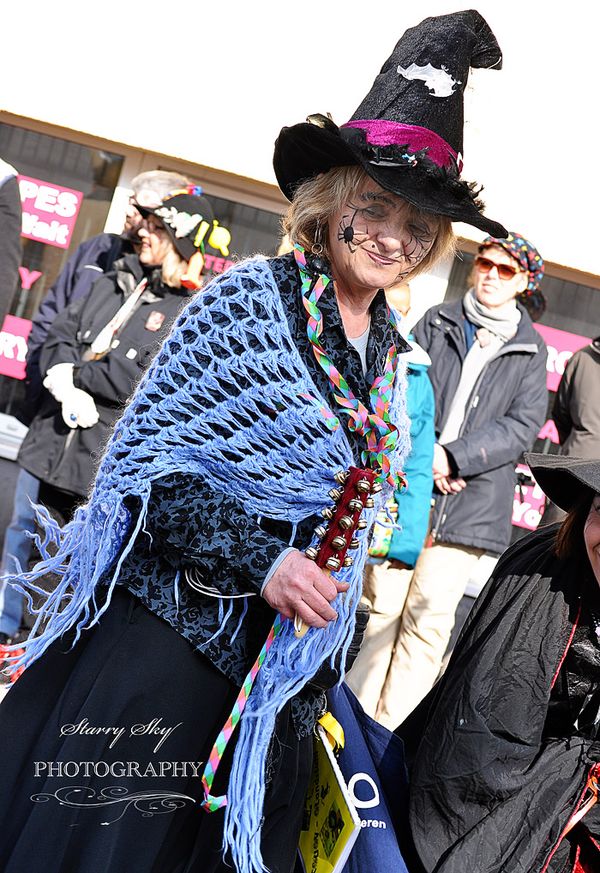
It is not just 'old' women who get in on the fun. We were out in a neighboring village that day this year and turned onto a street to find little girls dressed in costume with a large ribbon blocking our way. I had a feeling I knew what the drill was in any language ; ) They danced up to the car window with a little box jangling and a slot in the top, asking nicely for change in exchange for our passage.
More to follow!
(disclaimer – I don't make the news – I just report it. <g> Images above do not reflect author endorsement of witchcraft nor things related)
















 Starry Sky Journal