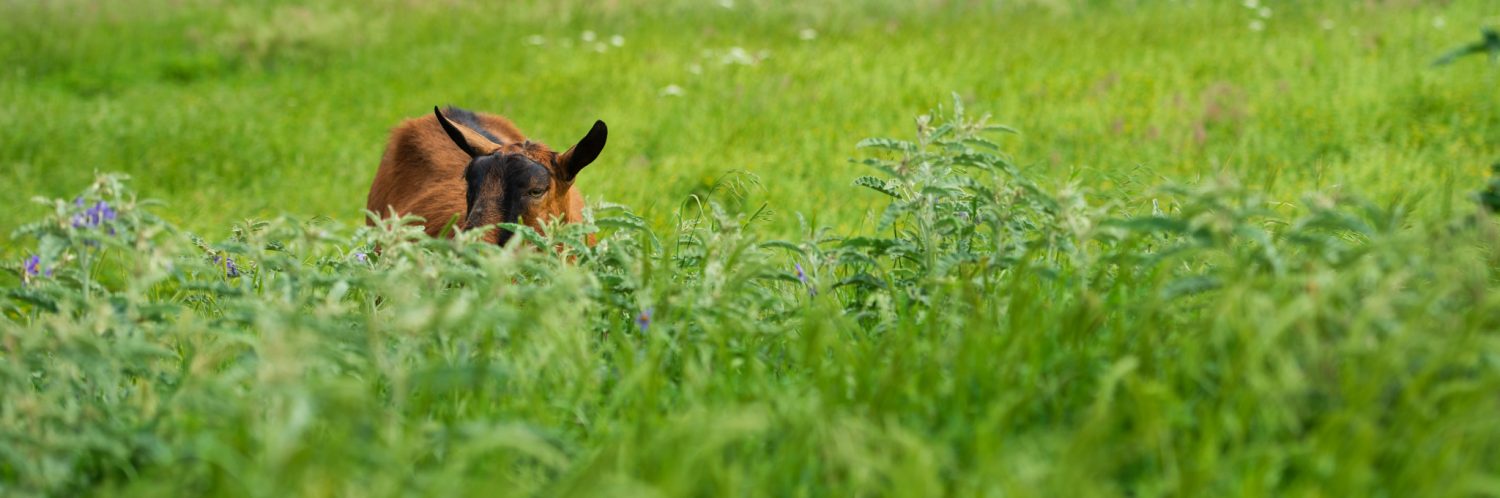
You probably have heard the universal advice about the flash built into your camera right? As in, turn it off. It's an oft-repeated tip. Do I agree?
Sometimes.
Oftentimes.
Usually.
Depends.
Natural light is a beautiful thing and I use it primarily whenever I can. However, there are far more situations than you might expect where flash units come in handy. For starters, even "good" photographers, some of the very best in fact, DO use flash all the time. Most fashion photography and much studio photography is done with artificial flash units. Usually they are positioned off to the side and often from behind as well. The one really bad place for a strong flash to hit your subject is full-on in front. Unfortunately this is exactly where the flash built into your camera lands, often leaving blown out or shiny spots on foreheads and chins and big shadows behind.
That doesn't mean you can't harness and make good use of that extra light available to you. And you should. Sadly most photos taken in auto mode end up a bit underexposed. You can fix this.
This week we are considering your first option – fill flash. This is basically a lower powered flash fire which augments your ambient light and brightens up faces that might be getting harsh shadows. If your subject is backlit (like when they are standing back to the sun) your camera may well try to balance that bright background and end up underexposing your subject's face. Camera's are funny that way. They want to end up with a pre-determined average amount of light. They don't judge which part of your scene is most important. They just average the total range of light. If you can control your flash you can counter this.
Your camera's manual will tell you if you have a dedicated fill flash setting or if you can override your camera and force it to flash when you'd like. If you shoot in semi-manual modes with a dslr you can also adjust your flash +/- several steps either way, altering the power of the flash.
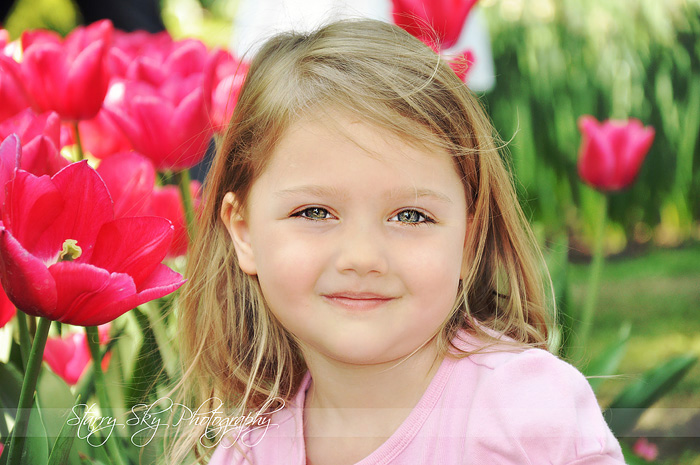
In this picture a little flash was added to brighten her face without overpowering the ambient light.
In this next one, I was shooting in manual but it was at night with a wide angle zoom lens that calls for a lot of light. (read: kit lens) Fill flash helped to get the right exposure.
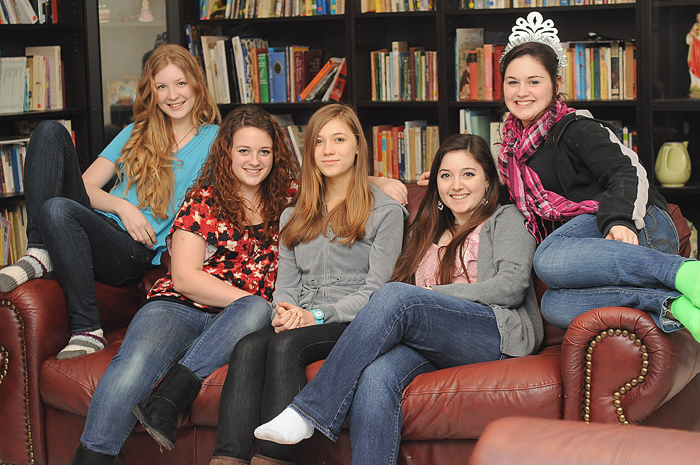
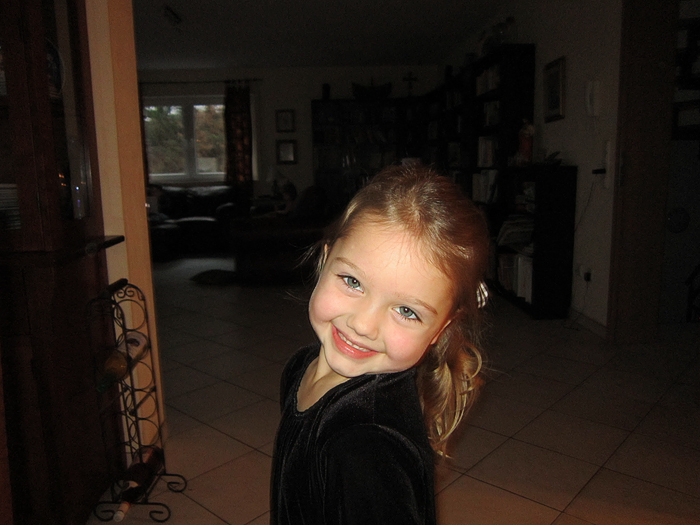
You can see the little circular catchlights right in the center of the eyes in all these – this is the tell-tale flash catchlight, but it isn't awful and is much better than an underexposed shot.
When your flash is set too high, the background goes dark as in this shot taken by Alannah with her point and shoot on auto everything.
You can see more examples of fill flash with a simple google search here.
Weekend Challenge:
Read your manual's flash section. Do you have a dedicated fill flash setting? Can you dial down the power of your flash? In which modes? Learn how to turn it off completely. How to force it to flash. And if possible, how to modify it. Do you have your camera set to eliminate red-eye when using your flash?
When you are familiar with the settings, try using your flash outdoors. Stand your subject with his/her back to the sun and force the flash to fire. Try it in full shade or where the light hitting the face is dappled. Try to use various amounts of flash indoors until you find a balance you are happy with.
*Good to know: Your built in flash has an average reach of about ten feet. If you are much further than that it won't do you much good. So for instance, firing your flash from the top bleacher of the gym is just going to annoy people. ; ) Ditto trying to flash a shot of the city in the distance in the evening.
 Starry Sky Journal