
Oh how I do so love wisteria. It drapes serenely along the window frames and arbor frames. Working on some prints so I can keep a little bit of it forever.
Oh how I do so love wisteria. It drapes serenely along the window frames and arbor frames. Working on some prints so I can keep a little bit of it forever.
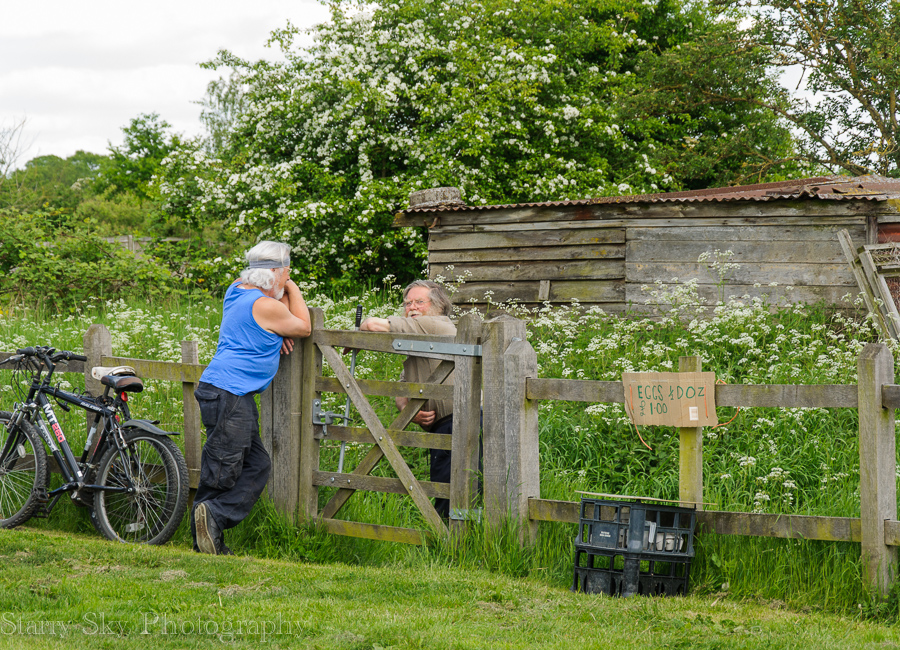
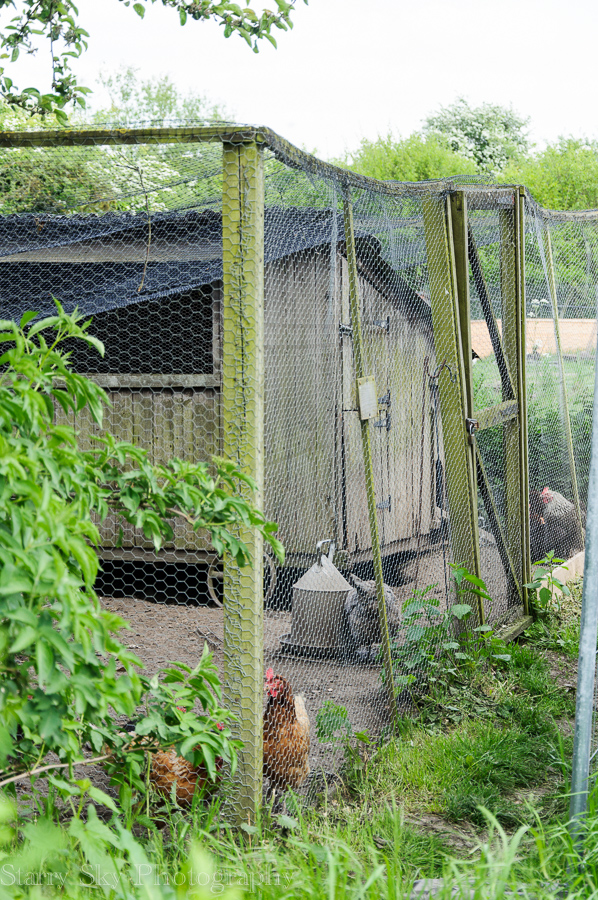
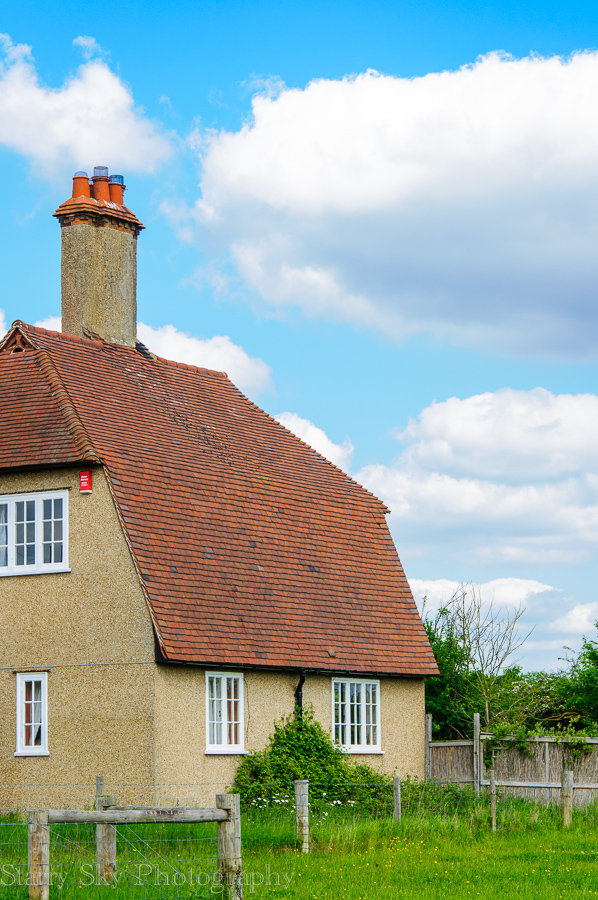
Just a cottage scene I spied in passing. Made me smile. I should have snagged some eggs while I was at it.

Alannah makes quite possibly the very best oatmeal cookie known to man.
Mankind.
Like, perhaps, in the entire universe.
We thought we'd share. : )
1c. butter
1c. brown sugar
1c. white sugar
2 eggs
1 tsp vanilla
1/2 tsp salt
1 tsp soda
1 1/2c. flour
1/2 c. nuts
3c. oats
Combine all ingredients and bake at 350 degrees. This recipe comes from our hometown church cookbook circa the mid-80's. That's all it gives by way of directions. Alannah's comments were just as helpful… "I bake them until I think they are done."
See now, when I do that, disaster is sure to follow. Too gooey. Too crisp. Too burnt. I don't think like a cookie apparently. Just a side note.
They spread. Just so you know. When they are done and starting to cool you ice them.
6T butter, melted
1 1/2c powdered sugar
1-3tsp water
stir the above and slap it on. It cools to a nice glossy semi-hard icing.
Our summer grown up project is cooking new things so I will probably be talking food as time goes by. I might let Alannah talk cookies though. It's her language.

"Being comfortable in your own skin and content with your own company is a magical gift to yourself and everyone in your life."
– Patricia Alexander
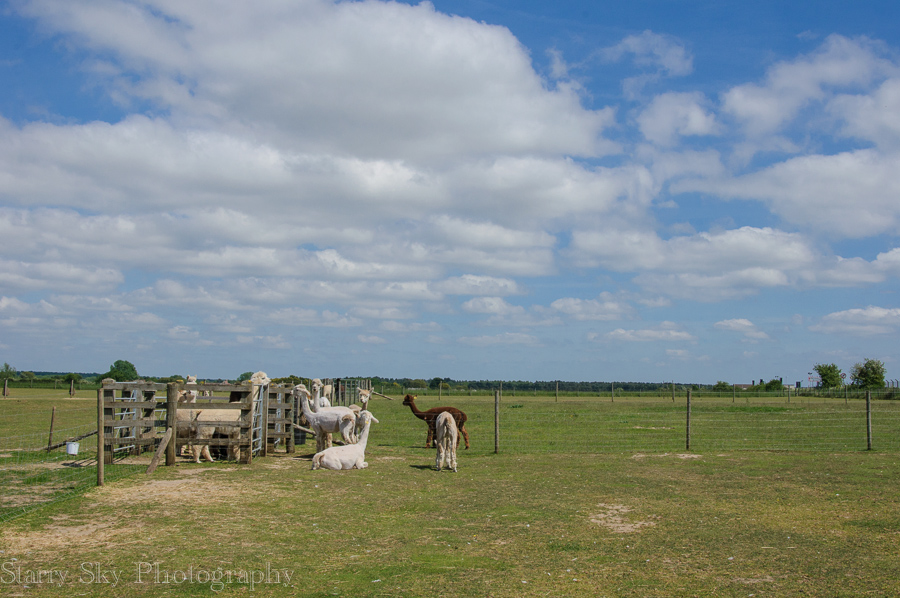
A friend let me ride along to watch the alpacas getting sheared at a local farm last week. The herd is part of a large complex that houses a preschool, herb gardens, and a fiber studio. I knew something about alpacas from our years in Colorado. It is not an inexpensive undertaking and great care must be taken to select, breed, and raise up the animals. Shearing too must be done professionally to save as much of the very dear fiber as possible.
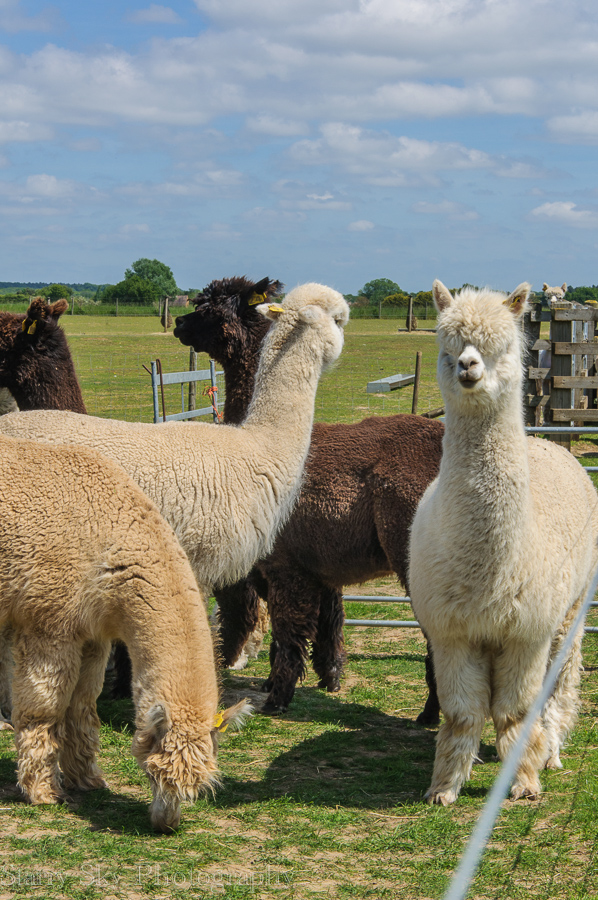
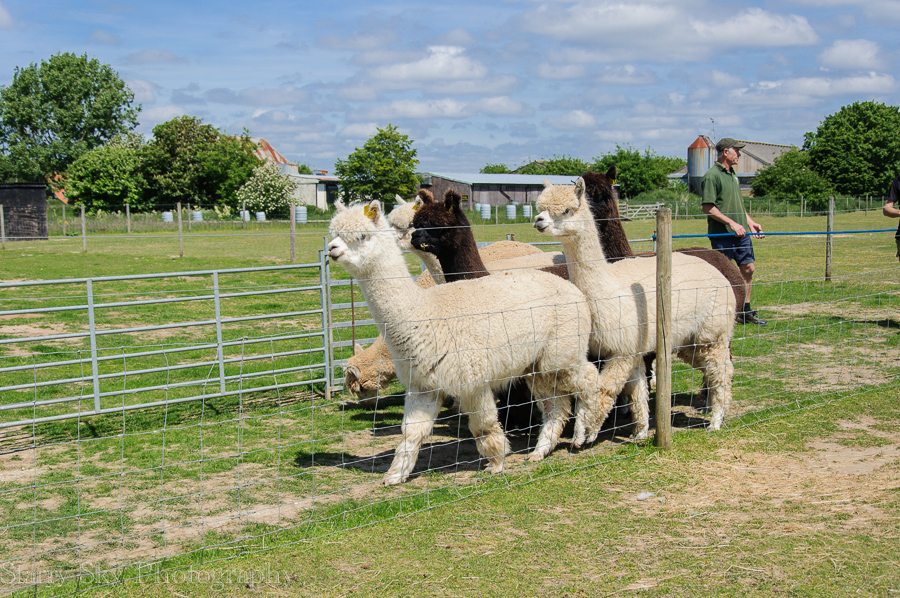
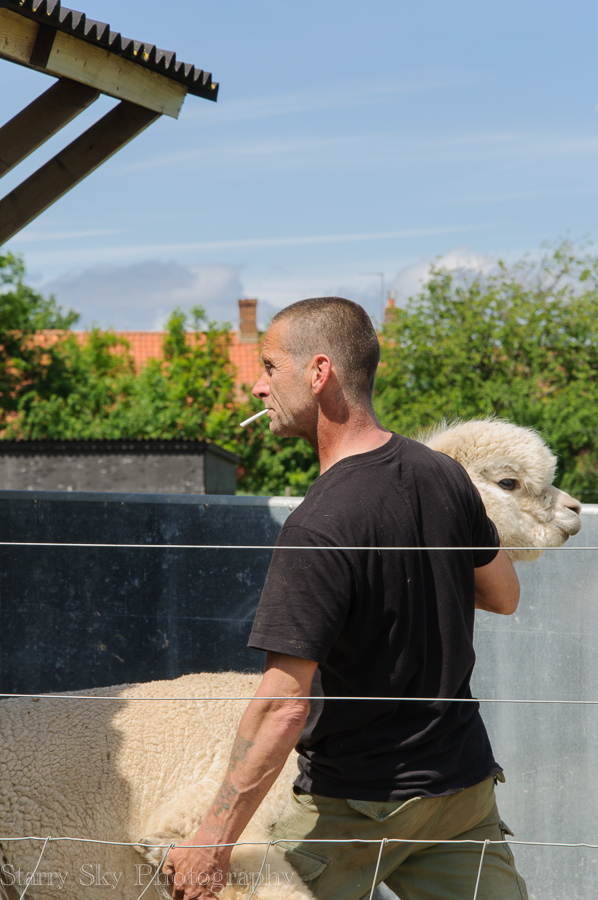
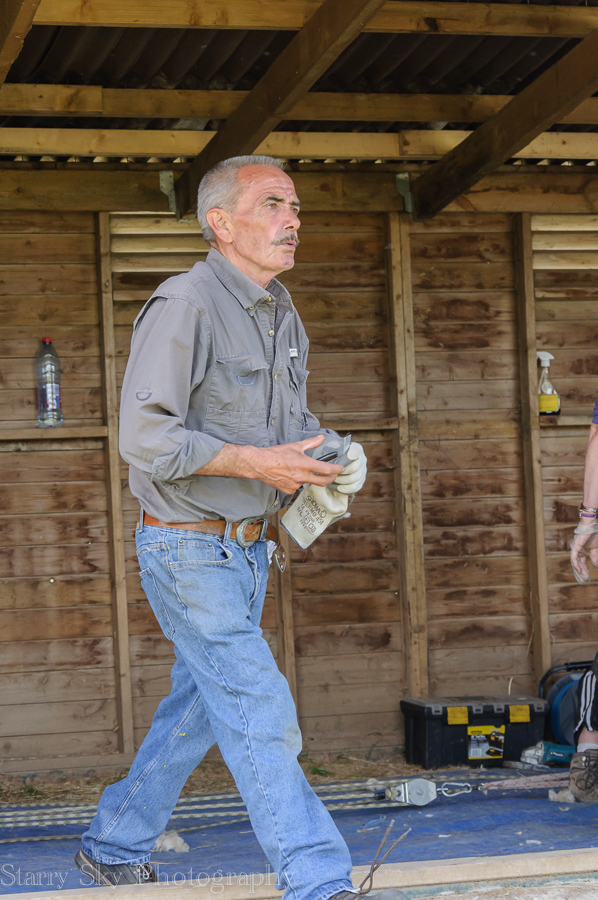
A team from New Zealand did the shearing the day we were there. They brought each animal in by catching it and maneuvering it into the shearing shed on three legs. Then it was carefully laid on its side, shackled to cables, and pulled still to prevent getting cut by the shears.
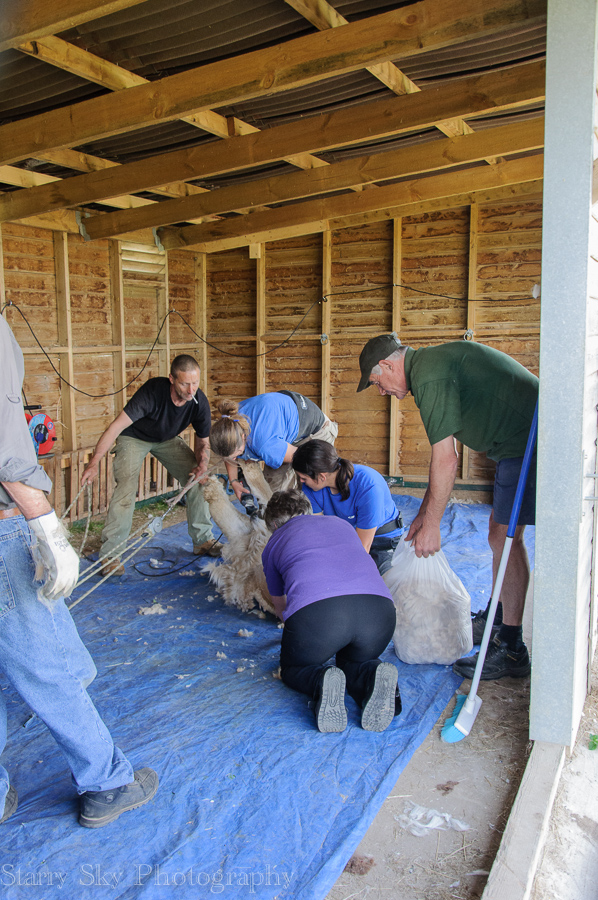
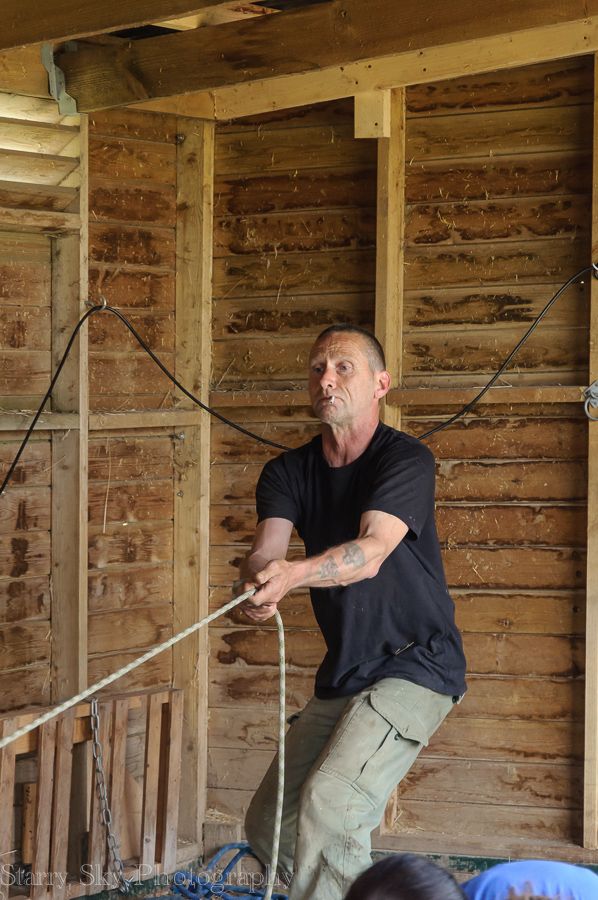
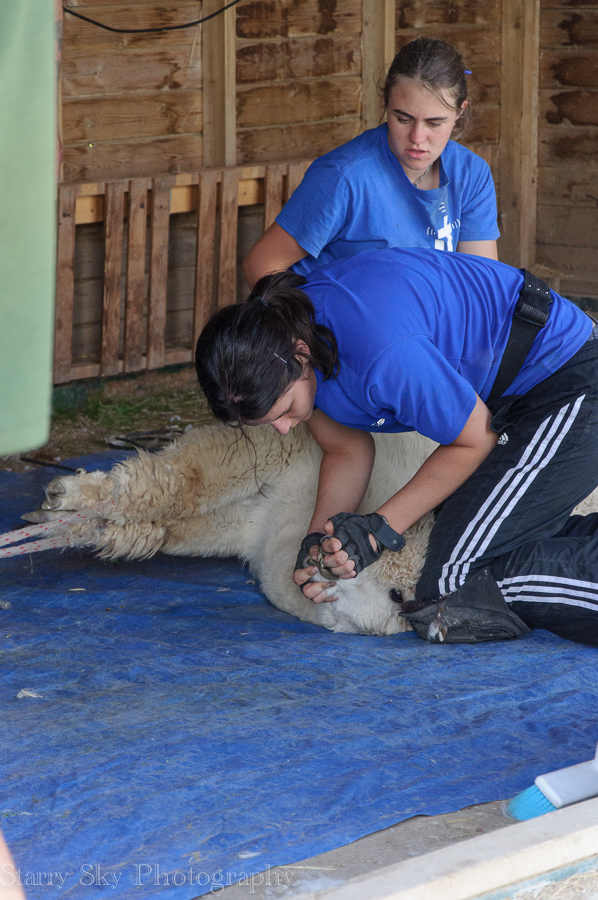
While they had the opportunity, they filed any teeth in need and trimmed the hooves.
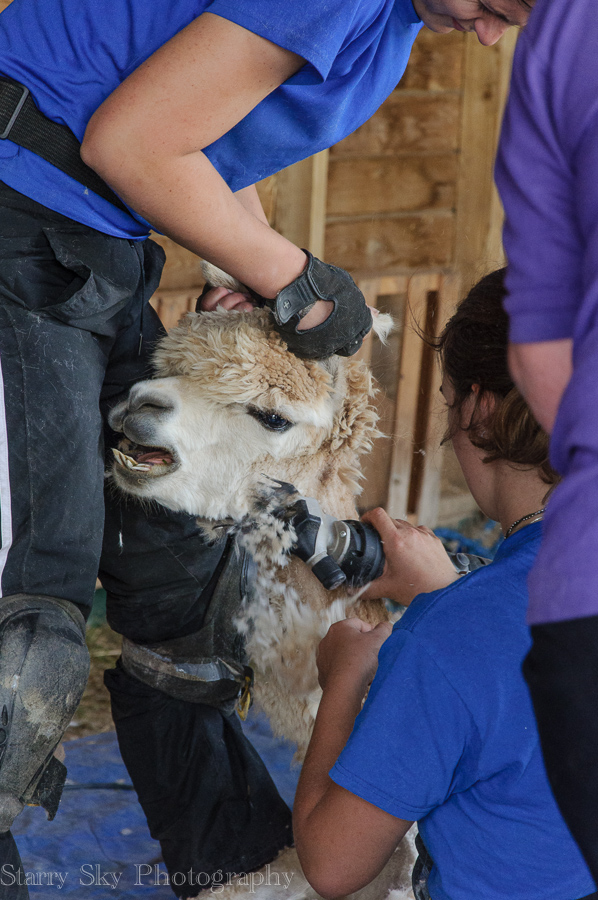
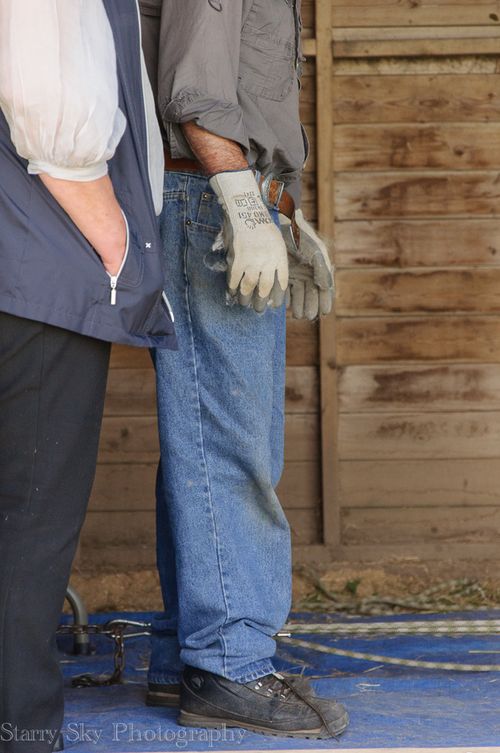
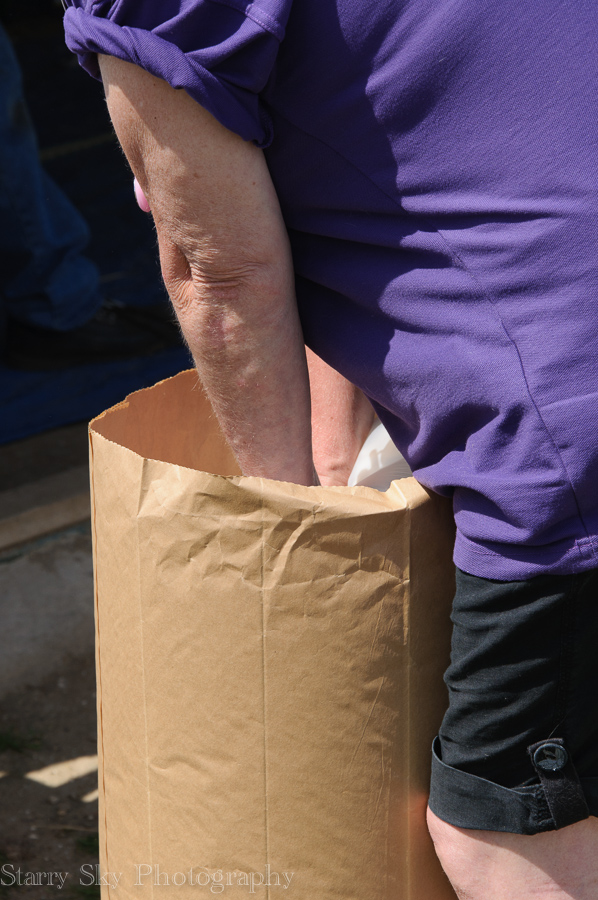
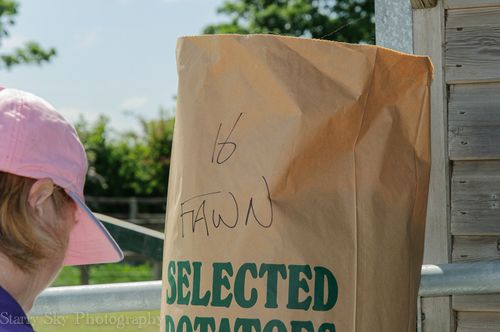
The shorn fleece was bagged (in paper potato sacks) and weighed. A small sample was numbered and bagged in little plastic bags to be sent off to Australia to get a micron count for each alpaca in the herd. There is noplace in the UK to have that done, so that's where it goes. Anything that goes to Australia just automatically seems much more exotic to me, as an American. : )
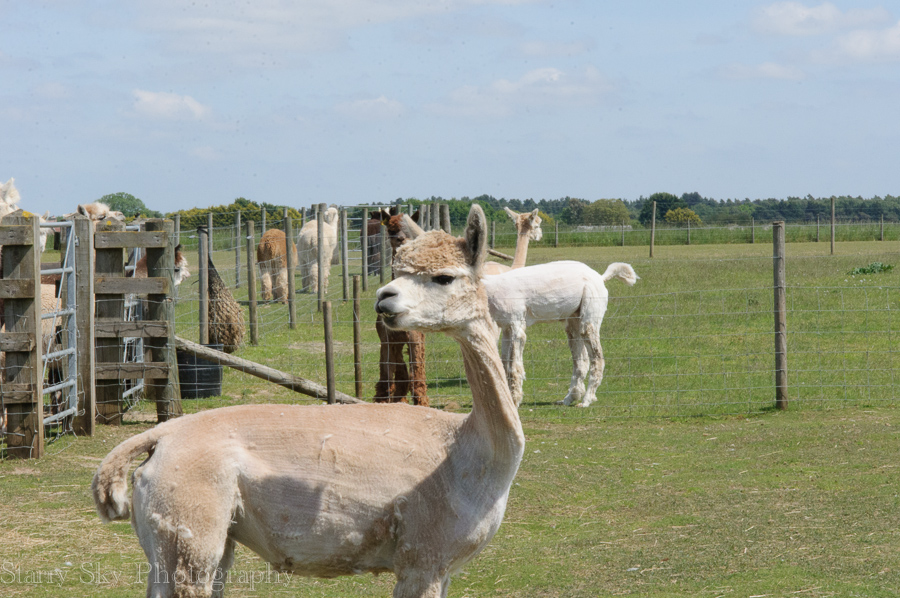
Fwiw, alpacas make a rather unearthly sound when they are unhappy and emerge from a shearing looking even more alien than before if possible. They did, however, take it all in stride. They made very little fuss and were off to pasture in no time.
"…you can come too, too, too," – Peter, Paul, and Mommy
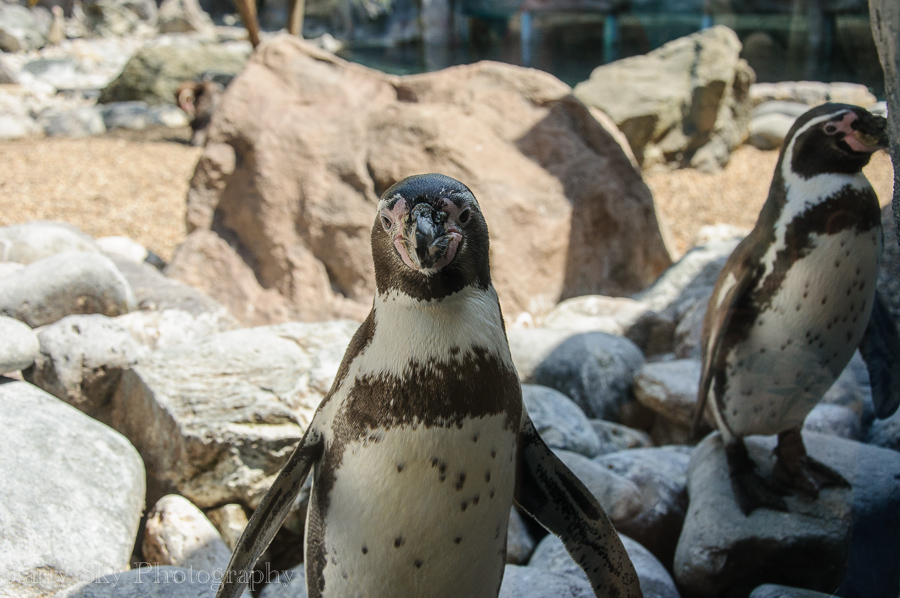
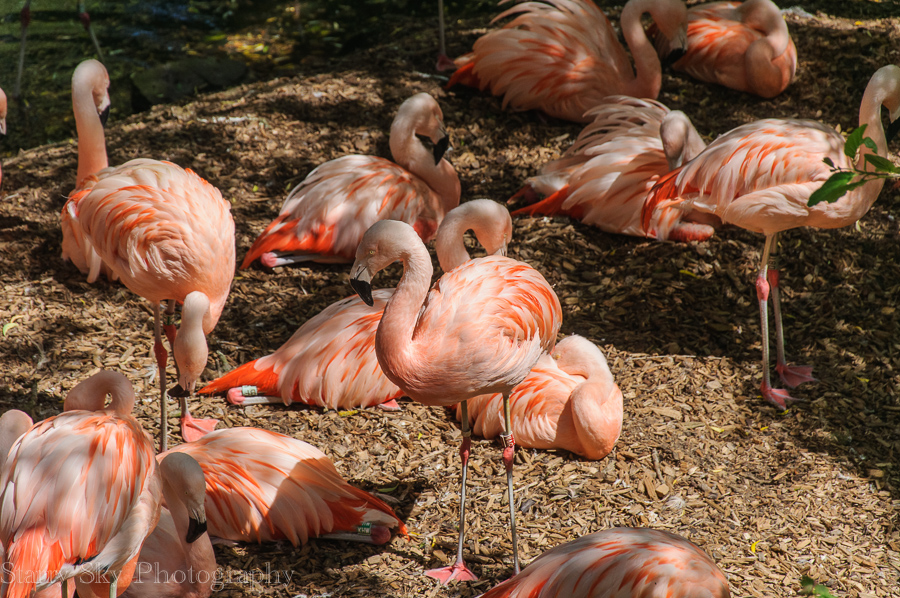
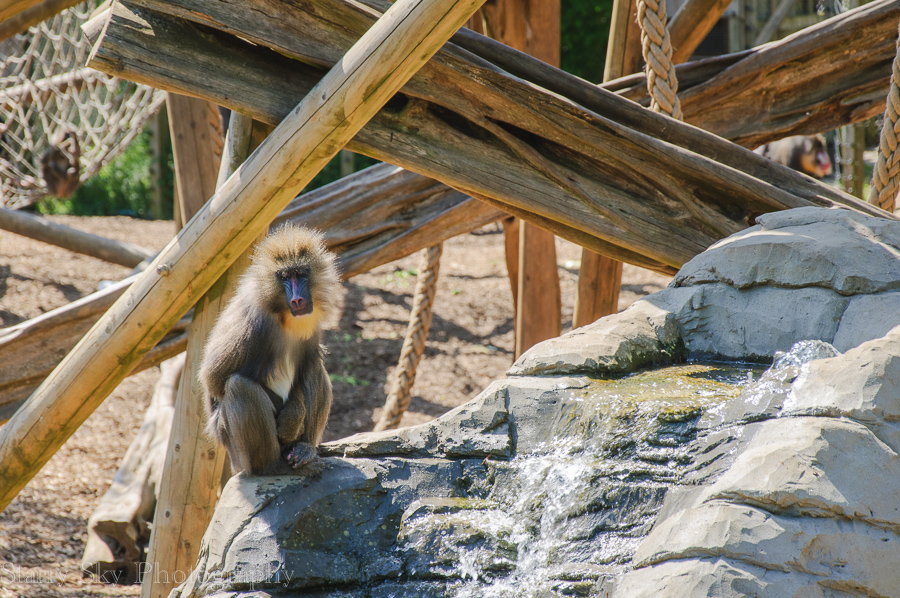
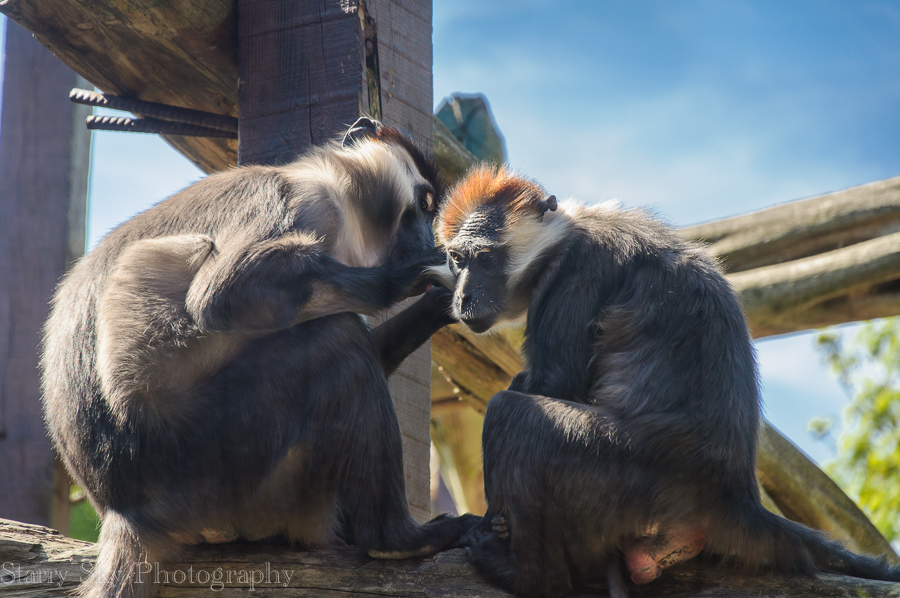
I hum the verses every time I open these pictures. Can't tell you how many times my older boys and I sang this LOUDLY in the minivan. I grew up with Peter, Paul, and Mary. It was fitting they did too. They also grew up with zoo trips and their little brothers and sisters have not visited nearly as many times. We determined to fix that.
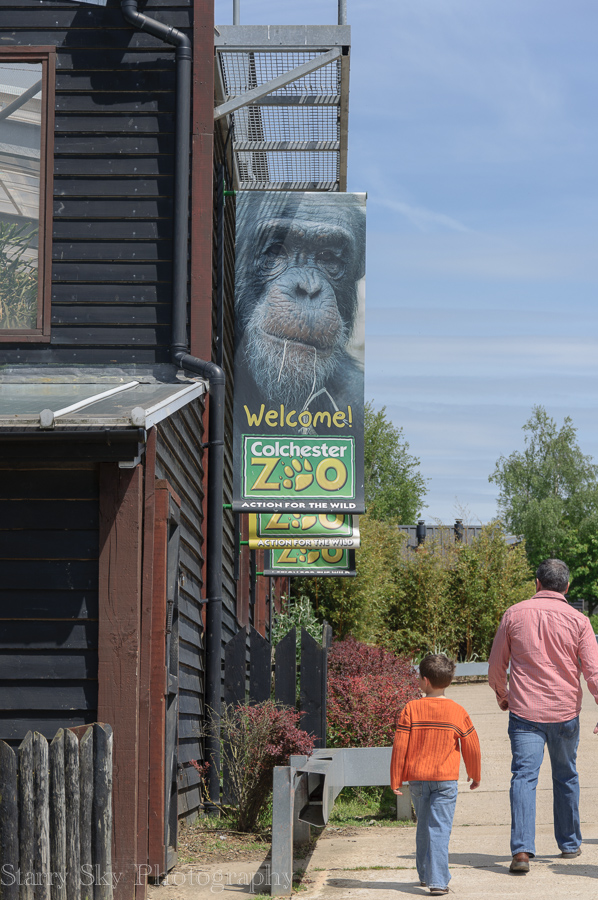
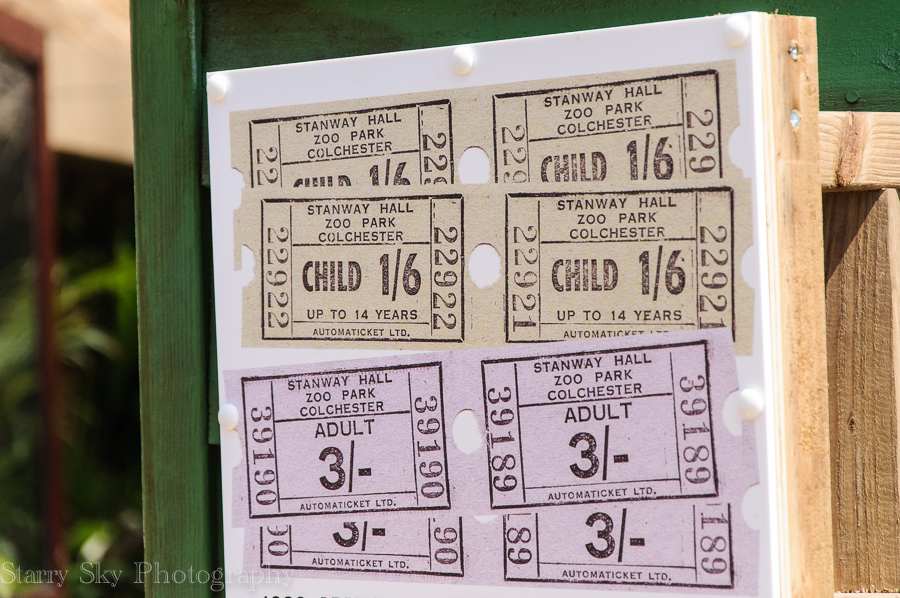
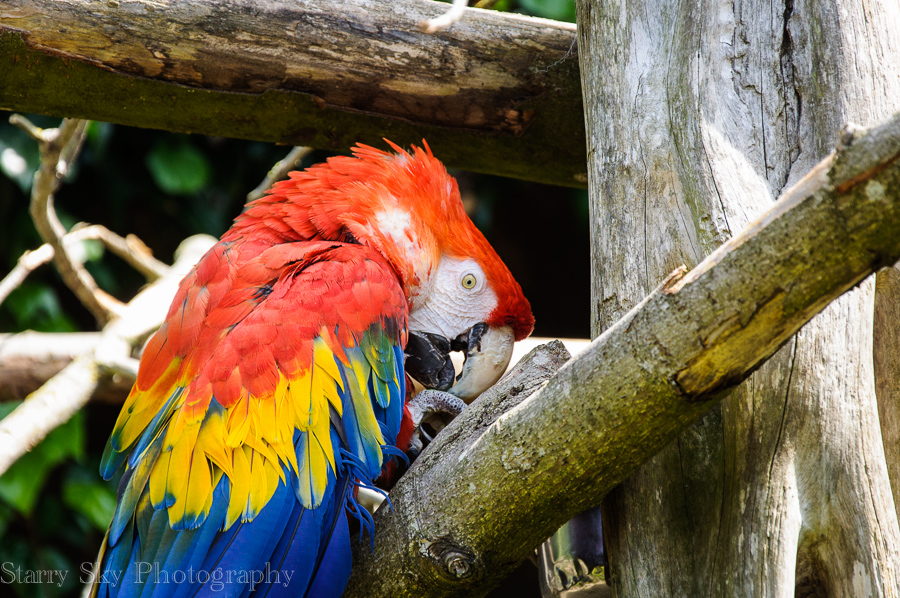
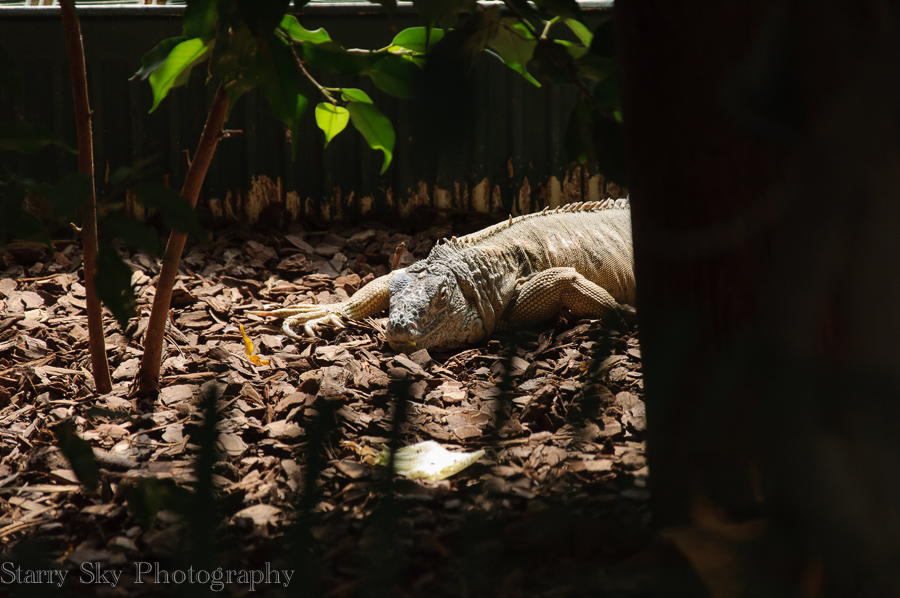


(Someone was not a fan of large swimming creatures on the other side of the glass. ; ))






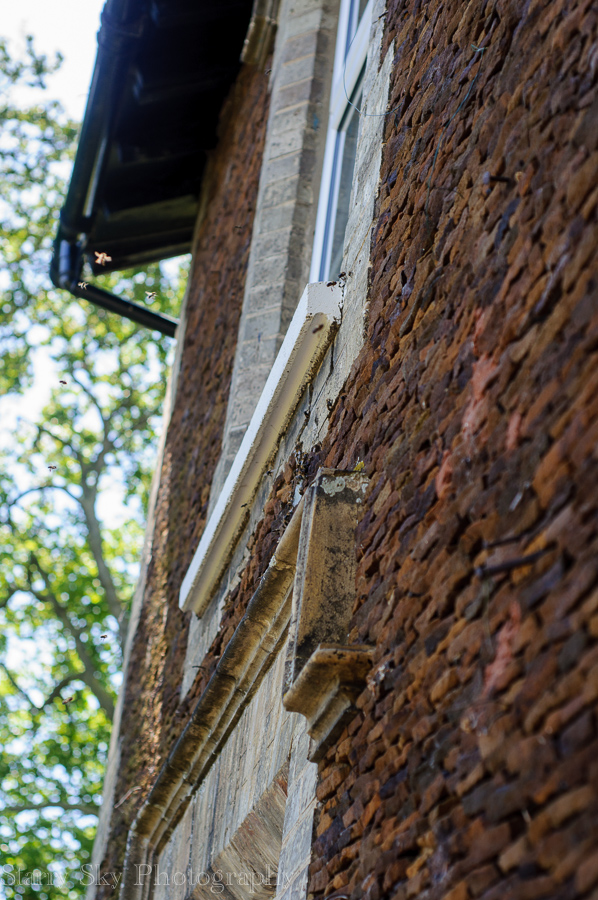
We walked into the music room the other night to find a few dozen bees dead, dying or still flying in the room. It wasn't until the next morning that we discovered the cause. There was a cloud of honeybees outside the window. Actually it took us a while to determine what they were. Everyday there were different makes and models. And more and more were coming into the house via the chandelier. Our landlord was on holiday so it took some 3 days before we reached one of the farmhands. He was on his phone calling the exterminator before he reached my door.
Turns out this is a big. deal.
The pest man explained these were feral bees. The queen escaped from someplace and decided to live inside the walls of the house. They were hunkered down between the first and second floor She releases phermones which bring along some 2,000+ worker bees after her. As days progress there were different bees arriving or moving about. Therefore first we saw rather hairless large narrow bees. The last day we saw tiny round bumblebees. Juveniles, he said they were.
Sadly they could not be relocated because the queen could not be coaxed from the house. It is a serious offense here not to seal up such bee hangouts. They can locate all the local bee keepers and determine if any have swarmed and you can be liable for thousands in fines for 'luring' bees. So there was a quick and thorough job of this whole thing done on the spot.
There must be something in the air though. My husband sent a picture from work of a huge swarm that had gathered at one of the buildings there. Thousands and thousands in a huge huddle. Quite impressive. We are told that in that sort of case they can relocate them more easily. Bees are relatively docile when in a swarm that way. What we saw (pictured) was them doing their figure eight 'dance' in front of the hole in the brick facade. They say they can identify and account for each bee which enters a hive that way. The bees can ID each other that is. <g>
So, we got a real life, hands on lesson in honeybees and will be reading more in coming days.
We walked into the music room the other night to find a few dozen bees dead, dying or still flying in the room. It wasn't until the next morning that we discovered the cause. There was a cloud of honeybees outside the window. Actually it took us a while to determine what they were. Everyday there were different makes and models. And more and more were coming into the house via the chandelier. Our landlord was on holiday so it took some 3 days before we reached one of the farmhands. He was on his phone calling the exterminator before he reached my door.
Turns out this is a big. deal.
The pest man explained these were feral bees. The queen escaped from someplace and decided to live inside the walls of the house. They were hunkered down between the first and second floor She releases phermones which bring along some 2,000+ worker bees after her. As days progress there were different bees arriving or moving about. Therefore first we saw rather hairless large narrow bees. The last day we saw tiny round bumblebees. Juveniles, he said they were.
Sadly they could not be relocated because the queen could not be coaxed from the house. It is a serious offense here not to seal up such bee hangouts. They can locate all the local bee keepers and determine if any have swarmed and you can be liable for thousands in fines for 'luring' bees. So there was a quick and thorough job of this whole thing done on the spot.
There must be something in the air though. My husband sent a picture from work of a huge swarm that had gathered at one of the buildings there. Thousands and thousands in a huge huddle. Quite impressive. We are told that in that sort of case they can relocate them more easily. Bees are relatively docile when in a swarm that way. What we saw (pictured) was them doing their figure eight 'dance' in front of the hole in the brick facade. They say they can identify and account for each bee which enters a hive that way. The bees can ID each other that is. <g>
So, we got a real life, hands on lesson in honeybees and will be reading more in coming days.



 Starry Sky Journal