I had another unit in the works when I pulled the biography off the shelf at the library. It told the story of a new-to-me artist whose palette and subjects – pastel pies and candies and other familiar goodies – really intrigued me. What started with, "Hey everyone check this out!" turned into a full blown unit complete with video and hands-on work. I've pulled together some of our favorites here:
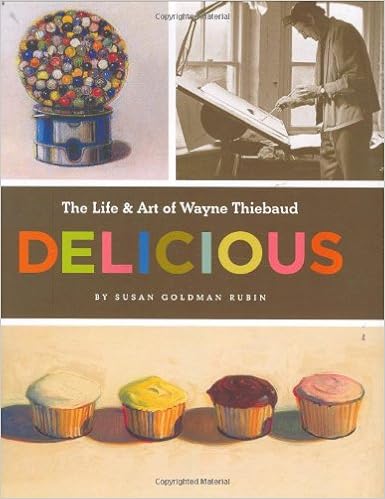
This is the first book I grabbed. It is a short-ish biography we mostly read aloud. It was very insightful in regards to both how his life experiences and relationships impacted his art and vice versa, as well as how he viewed his own work. Spoiler: he did not consider himself to be a pop art painter.
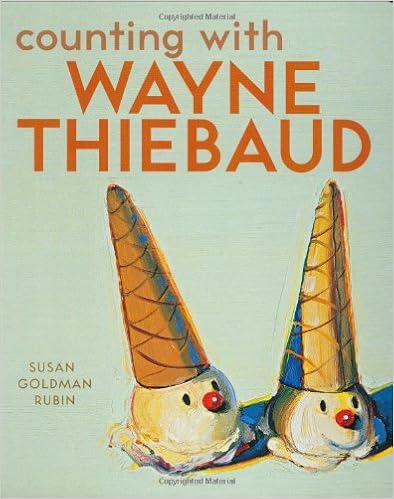
This next book was a children's board book which had clear illustrations of some of his more minimalist paintings. They led to lots of discussion about shape, color, and use of shading. The girls attempted some copies of these.
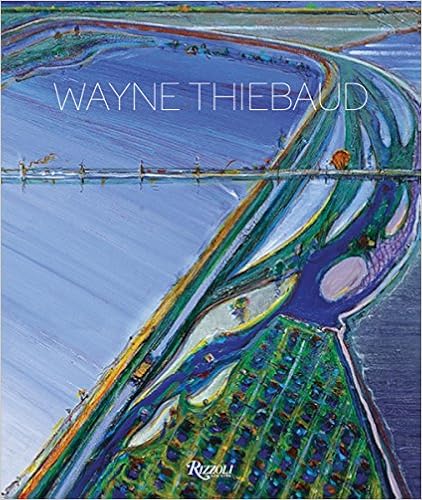
The next was an oversized coffee table book which included his later landscape work which defies simple description. Colin, our oldest, liked these the best when he was visiting and looking through.
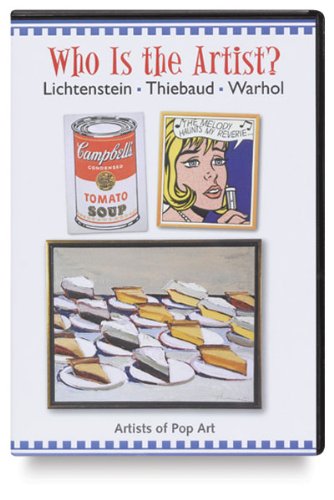
Given some of the debate and discussion in his heyday about pop art and who was and was not in the group, this video helped to show the similarities and differences among the big names of the era. Spoiler number two: we explored the others in later units.
My art lesson Pinterest board has a ton of links to children's projects. Some of our favorites were:
and here
and more gumballs
Some of our projects:
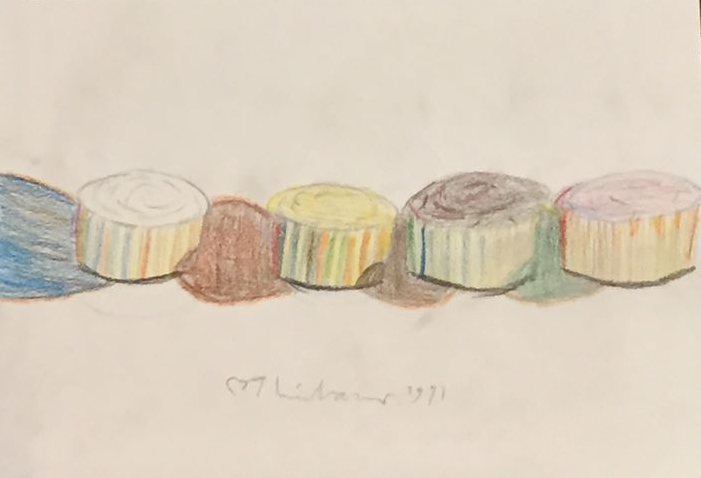
It is my firm belief you do NOT need to possess exceptional fine motor skills to study art nor to participate in projects that highlight some of the concepts. I have some naturally adept, artsy kids and some athletes and mathematicians who are far less comfortable holding a brush. We find projects that can be adapted so each of our students can make art. Below, the use of a template and straight edge guide enable a less confident freehand artist to make a very respectable reproduction.
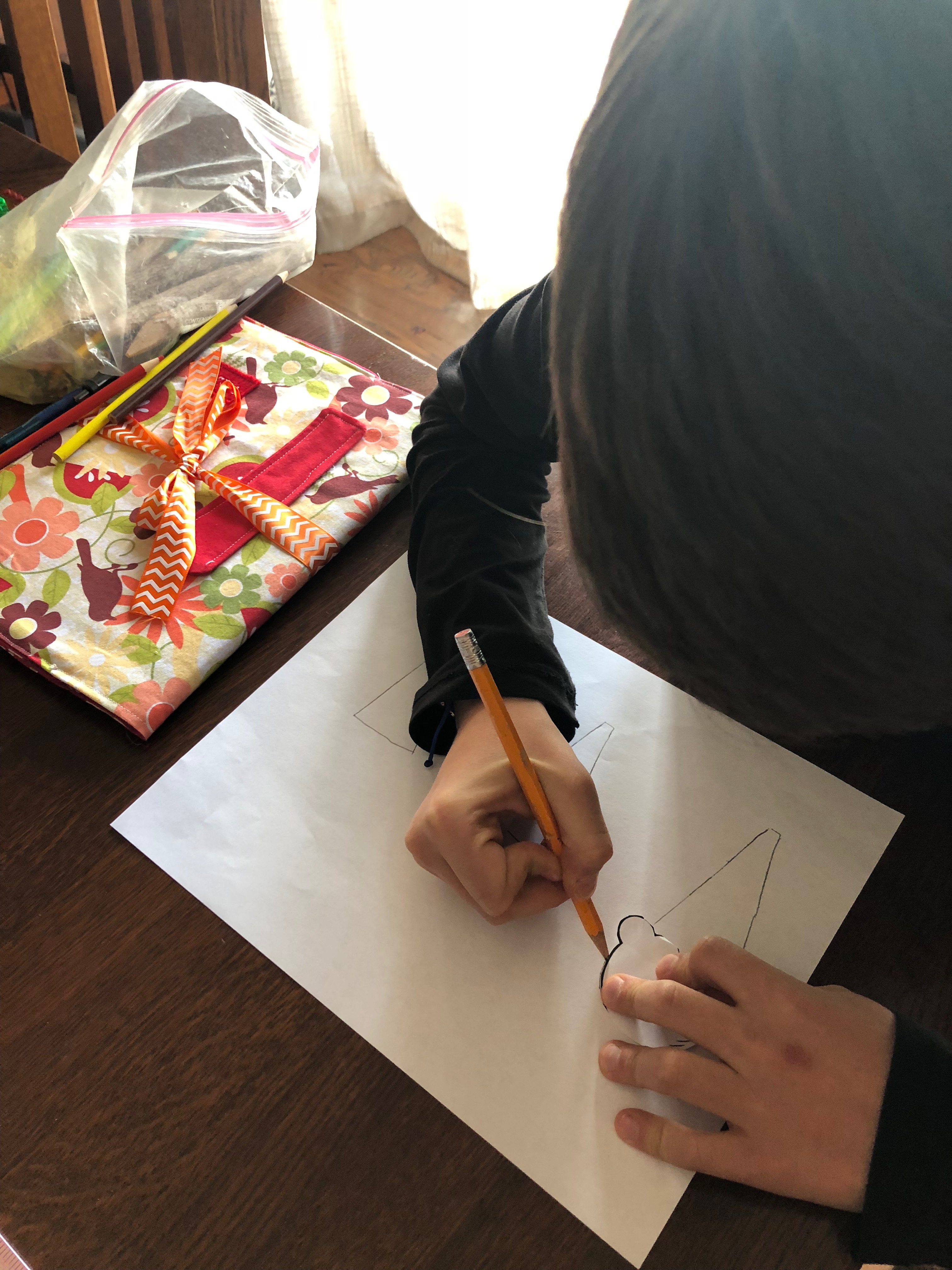
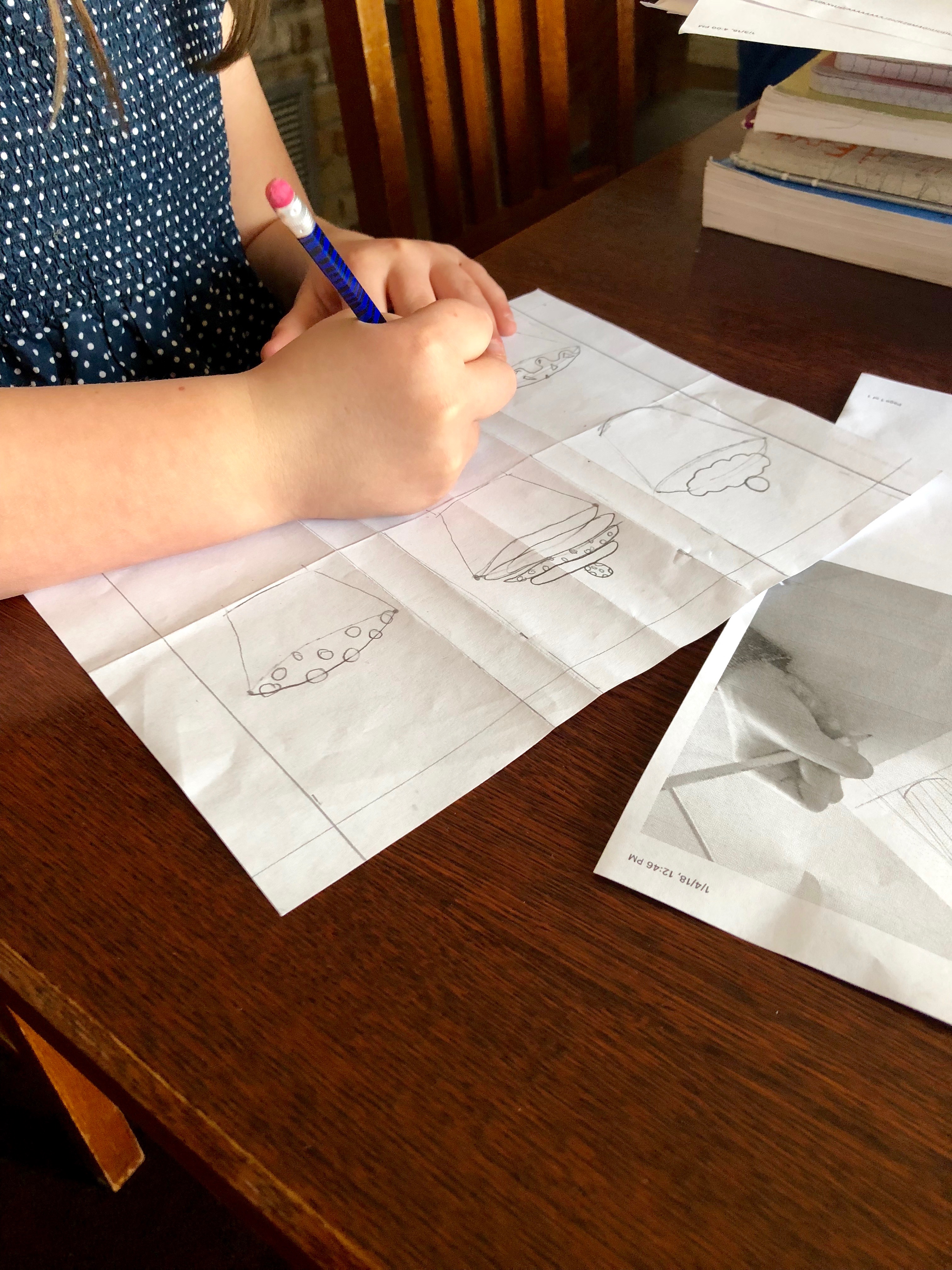
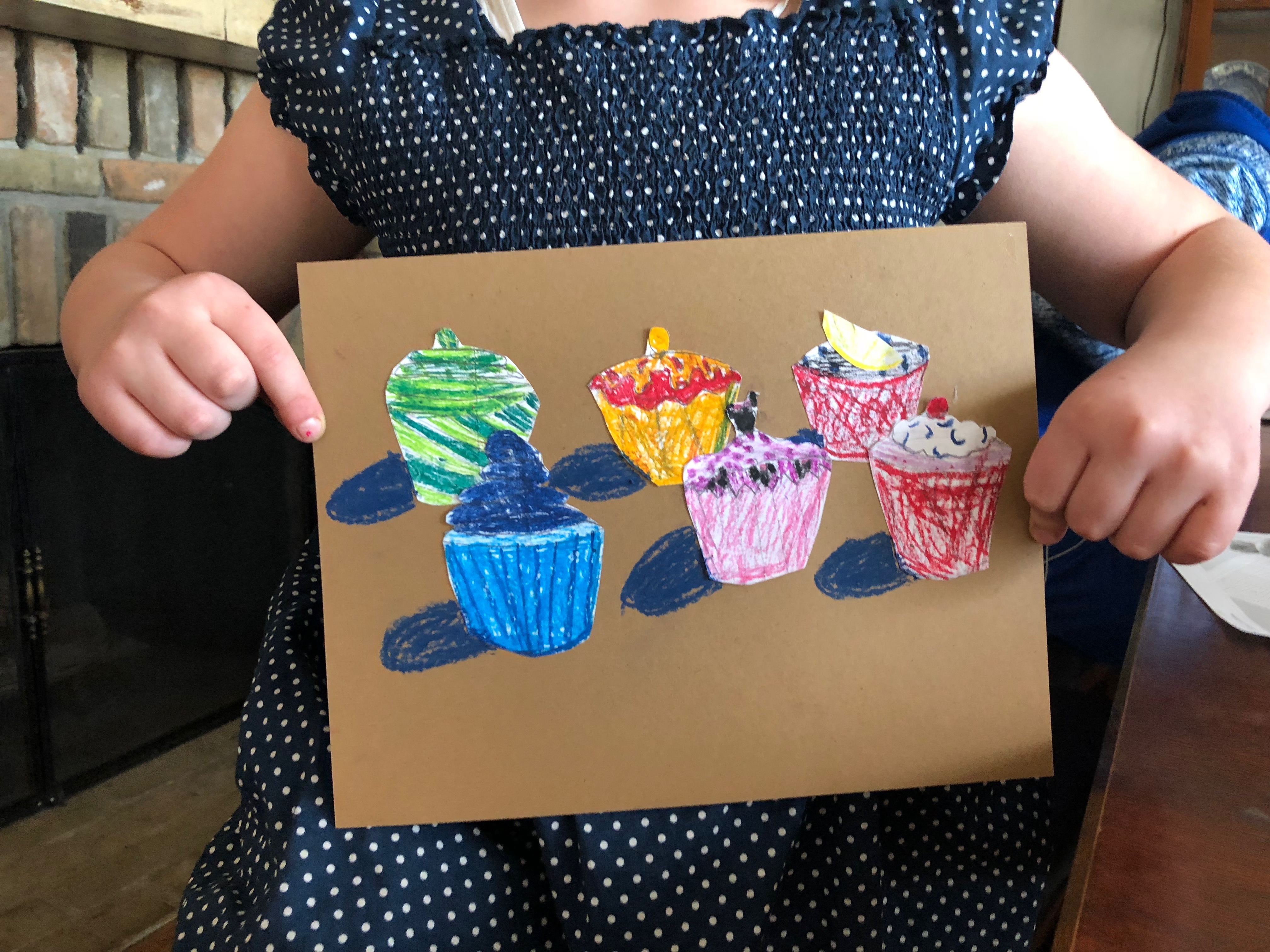
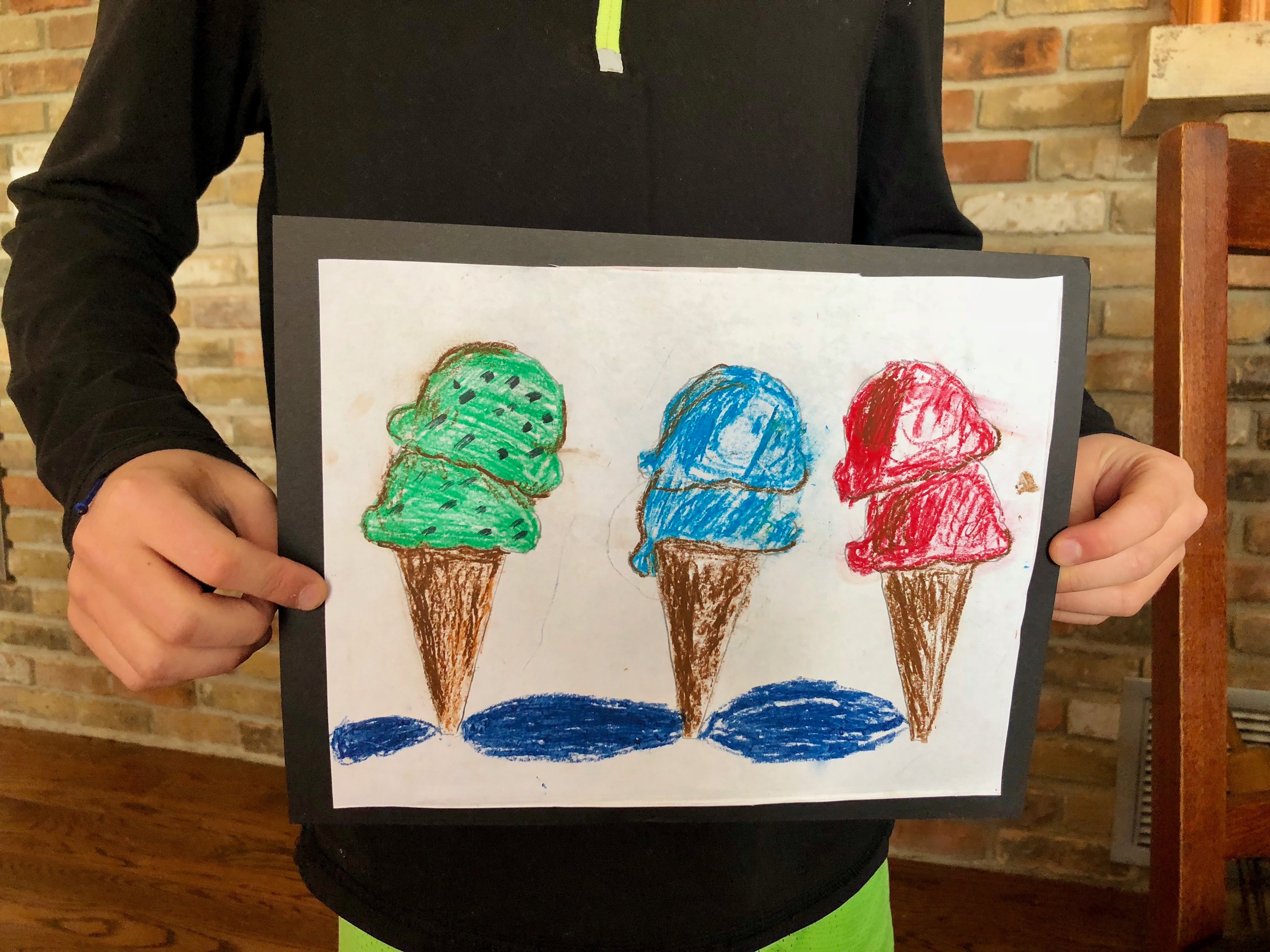
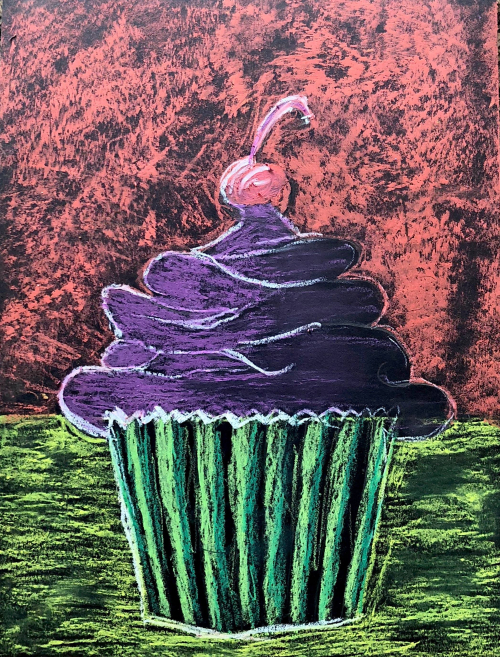
Some ways to spice up your work:
Try new media, such as wax pastels instead of crayons.
Consider a base of colored or black cardstock instead of white. It changes up the look and the skills involved to represent light and shadow.
 Starry Sky Journal
Very cool work! You might like this article about Warhol and his Faith. http://www.catholicherald.co.uk/issues/february-9th-2018/andy-warhols-devotion-was-almost-surreal/