Hyacinth

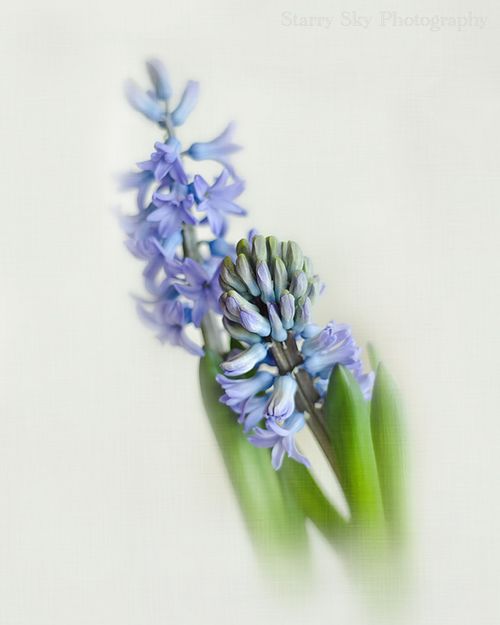
 hyacinth linen

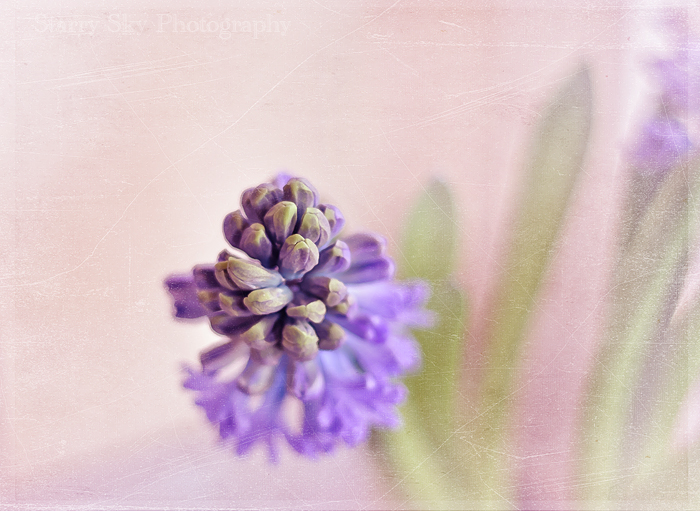
It isn't like there haven't been more pressing things to do lately, but hyacinths wait for no (wo)man.  That window is so tight that I photographed these buds in the morning and by afternoon they had already unfurled their trumpets. Just like that.

 It would have been a shame, indeed, not to make time to bloom. 

hyacinth

Weekend Photography Tips – lens focal lengths

People often wonder which lens to buy.   There is no quick nor easy answer to that.  It's like asking which car you ought to buy.  It depends – on your needs, your budget, your skills, your style.  Before you buy anything however, it is important to know the difference – in practical terms –  between 35mm and 200mm on a camera lens. A chart like this one is an excellent visual.   More here:

Focal Length comparison tool

DX lens focal length images

You will see right off that the small the focal length, the wider the angle and the more panoramic the view you capture.  Zooming in enlarges a focal point in the distance at the expense of the peripheral images. 

In general, if you are traveling or want to have the story telling capacity of a wide image (ie you wish you photograph groups or capture the entire room in your house) use a smaller focal length such as 15-50mm.  

Even at 50mm it is maddeningly impossible to photograph an entire building if you are on the same block.  I brought a 55-200 lens to Paris two years ago.  Big mistake.  We walked 3 blocks from the Eiffel Tower and I still couldn't get the whole thing in the screen.  My husband's cell phone managed just fine. : p  Live and learn.

Portraits are better done at 50-200mm. It flattens out the features nicely and avoids the lens distortion common to close-in shots with a wide angle lens.  


Weekend Photography Tips – flash diffusers

It was a feis weekend so am going to fire off a short note here.  A good way to soften harsh on camera flash it to diffuse it.  That spreads the light around a bit more and redirects off the center of your subject for more even lighting. 

Gary Fong is the king of flash diffusion.  He sells diffusers for speedlight flash units used on Canon and Nikon dslrs. If you have a speedlight, however, you probably aren't reading these tips. <g> So I will direct you instead to his pop up flash diffuser.  (There are some cheaper ones here but I am not familiar with their products or warranty.) This video shows you how it works with your camera.   

You can rig up a diffuser on your own with an old white/clear film canister if you still have access to those. Directions here.  Here is how to do it with tissue paper. This one is made from a cigarette carton and this one from a plastic flask. Not encouraging either of those purchases.  Just sayin. <g>

Let's say you have a purse sized point and shoot however.  You can try holding or taping tissue paper over the little square flash opening.  You can hold a plastic cup over.  If you feel like taping TP to your camera front is a little cheesier than you'd like when you are sight seeing or hosting a party, never fear. Gary has an inexpensive solution for point and shooters too right here.  DIY hack for that here

Play around with your flash and let me know what works for you!


Postcards from Luxembourg

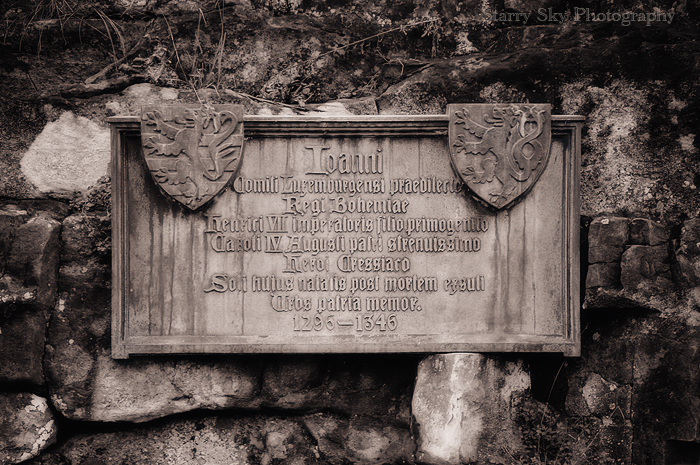
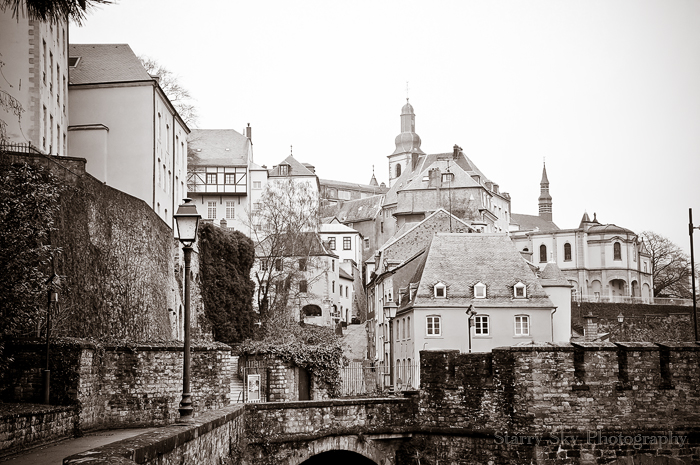
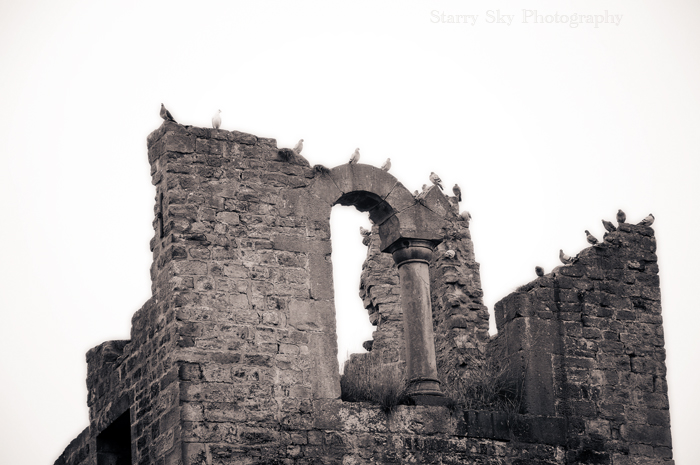
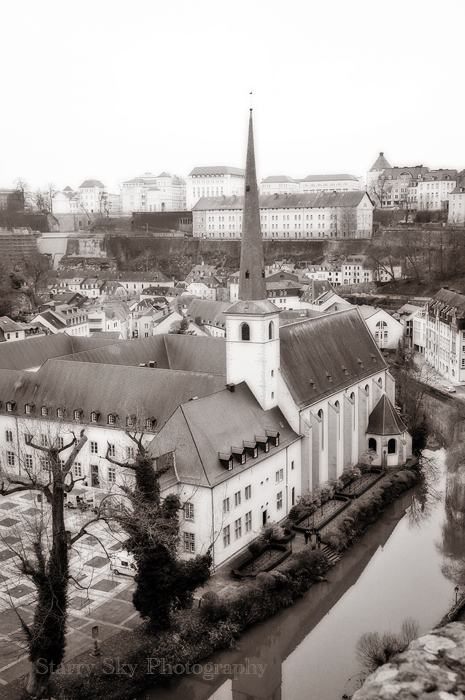
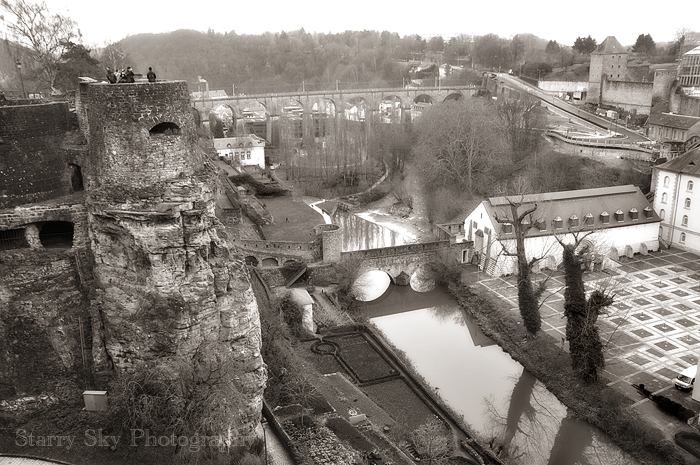
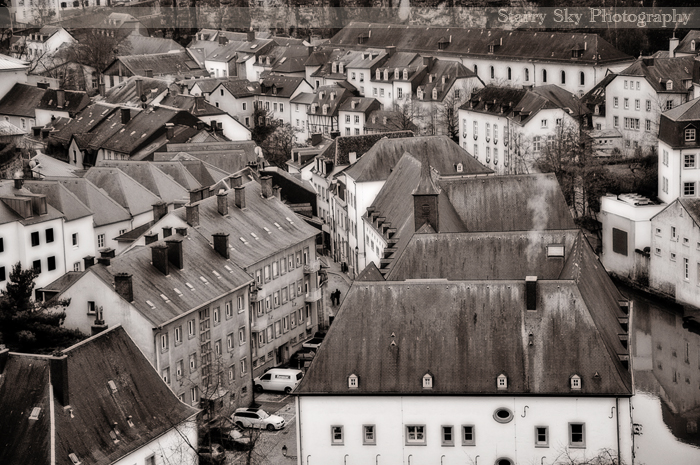
For many centuries Luxembourg was one of the great walled cities of Europe. The massive fortification began in the 12th century although excavations show the area had been settled since the 4th century. The walls were enlarged yet more in the 15th through the 17th centuries, thus earning it the name The Gibraltar of the North. There are still a number of casemates remaining underground but sadly they were not open when we were there. We hope to return someday with more of the little ones. It truly was a fairy tale city. 

 luxembourg
luxembourg

luxembourg
luxembourg

 luxembourg

 luxembourg

Weekend Photography Tips – fill flash

You probably have heard the universal advice about the flash built into your camera right?  As in, turn it off.  It's an oft-repeated tip.  Do I agree?  

Sometimes.

Oftentimes.

Usually.

Depends. 

Natural light is a beautiful thing and I use it primarily whenever I can.  However, there are far more situations than you might expect where flash units come in handy. For starters, even "good" photographers, some of the very best in fact, DO use flash all the time.  Most fashion photography and much studio photography is done with artificial flash units. Usually they are positioned off to the side and often from behind as well.  The one really bad place for a strong flash to hit your subject is full-on in front. Unfortunately this is exactly where the flash built into your camera lands, often leaving blown out or shiny spots on foreheads and chins and big shadows behind. 

That doesn't mean you can't harness and make good use of that extra light available to you.  And you should.  Sadly most photos taken in auto mode end up a bit underexposed. You can fix this.  

This week we are considering your first option – fill flash.  This is basically a lower powered flash fire which augments your ambient light and brightens up faces that might be getting harsh shadows.  If your subject is backlit (like when they are standing back to the sun) your camera may well try to balance that bright background and end up underexposing your subject's face. Camera's are funny that way.  They want to end up with a pre-determined average amount of light.  They don't judge which part of your scene is most important.  They just average the total range of light.  If you can control your flash you can counter this.

Your camera's manual will tell you if you have a dedicated fill flash setting or if you can override your camera and force it to flash when you'd like.  If you shoot in semi-manual modes with a dslr you can also adjust your flash +/- several steps either way, altering the power of the flash. 

In this picture a little flash was added to brighten her face without overpowering the ambient light.  
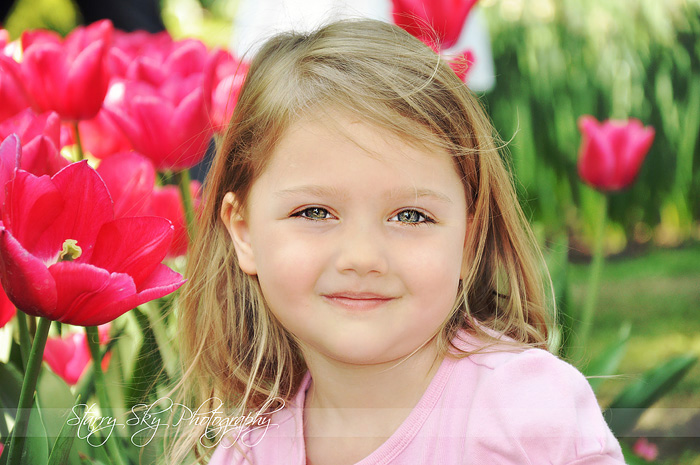
Holland

In this next one, I was shooting in manual but it was at night with a wide angle zoom lens that calls for a lot of light.  (read: kit lens) Fill flash helped to get the right exposure.  
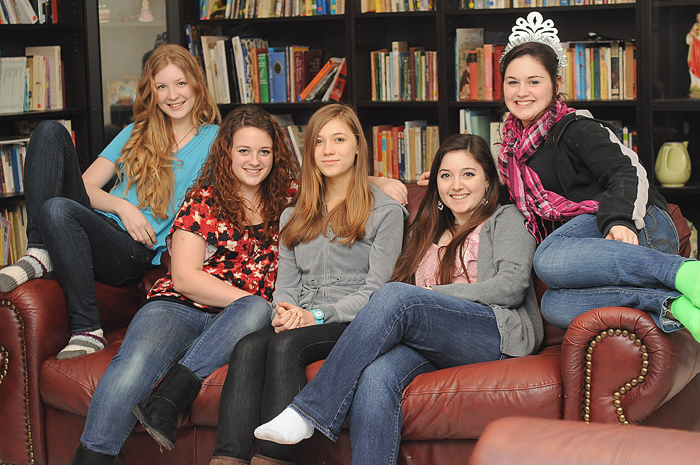
Jan

You can see the little circular catchlights right in the center of the eyes in all these – this is the tell-tale flash catchlight, but it isn't awful and is much better than an underexposed shot.

When your flash is set too high, the background goes dark as in this shot taken by Alannah with her point and shoot on auto everything.
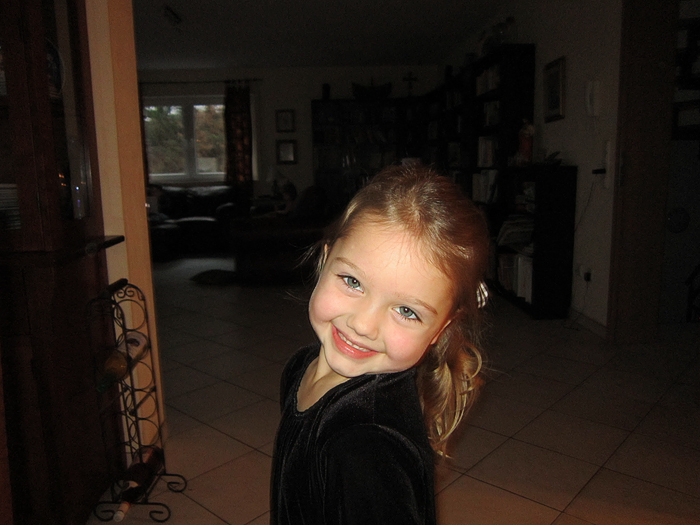
Feb  

You can see more examples of fill flash with a simple google search here.


Weekend Challenge:

Read your manual's flash section.  Do you have a dedicated fill flash setting? Can you dial down the power of your flash?  In which modes?  Learn how to turn it off completely.  How to force it to flash.  And if possible, how to modify it. Do you have your camera set to eliminate red-eye when using your flash?  

When you are familiar with the settings, try using your flash outdoors.  Stand your subject with his/her back to the sun and force the flash to fire.  Try it in full shade or where the light hitting the face is dappled. Try to use various amounts of flash indoors until you find a balance you are happy with. 

  *Good to know: Your built in flash has an average reach of about ten feet.  If you are much further than that it won't do you much good. So for instance, firing your flash from the top bleacher of the gym is just going to annoy people. ; )  Ditto trying to flash a shot of the city in the distance in the evening.  
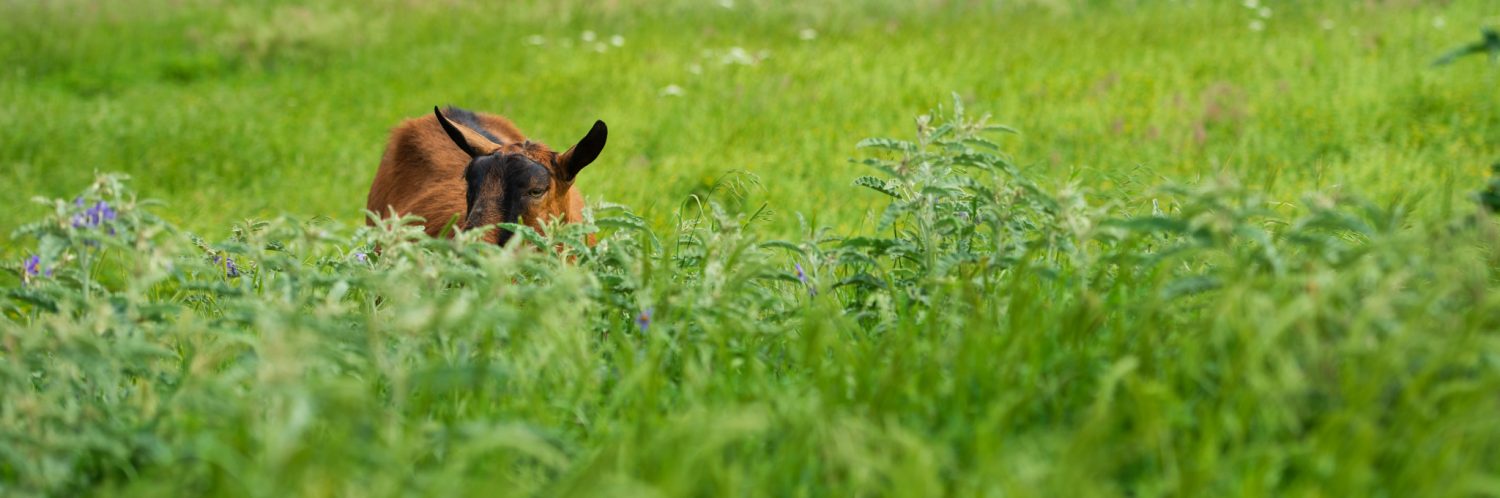
At the Cabin

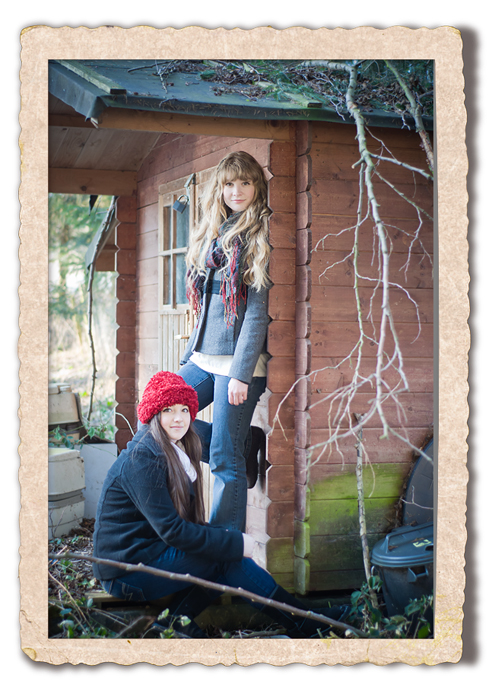
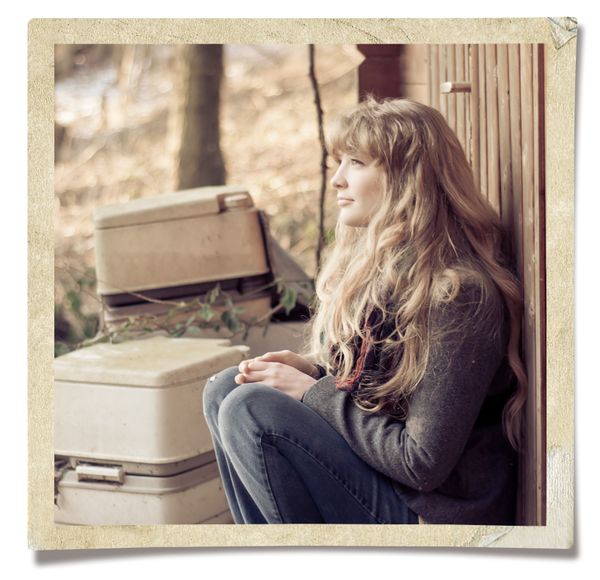
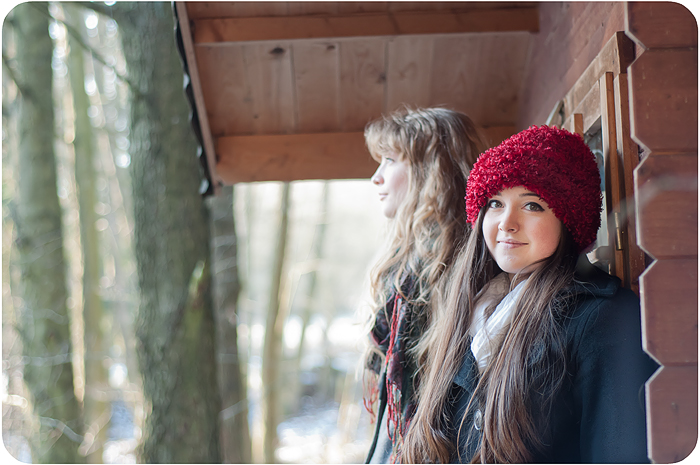
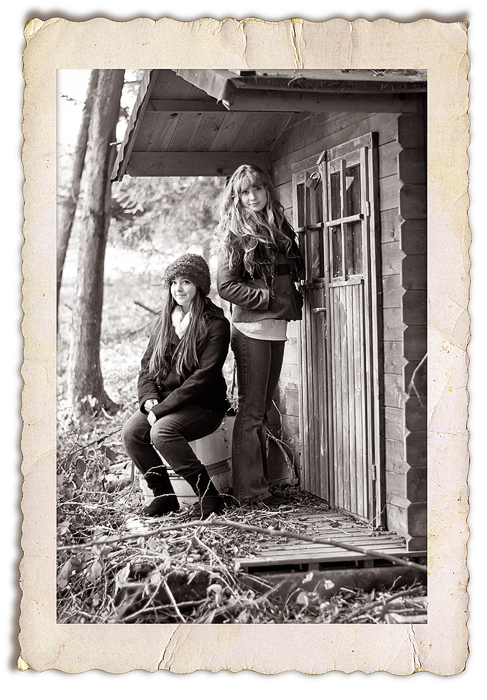
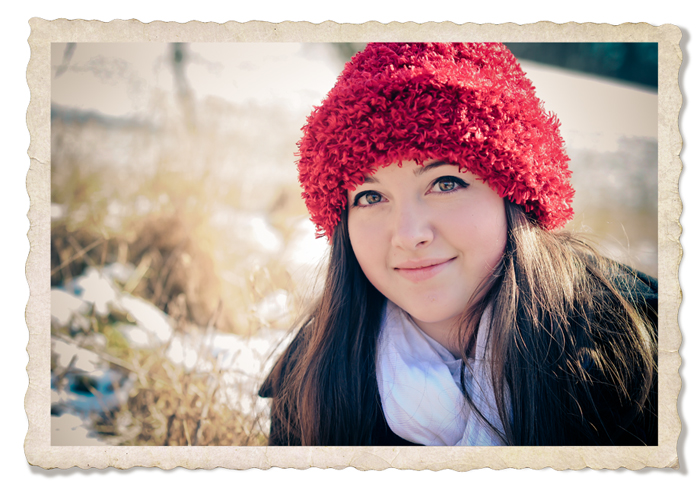
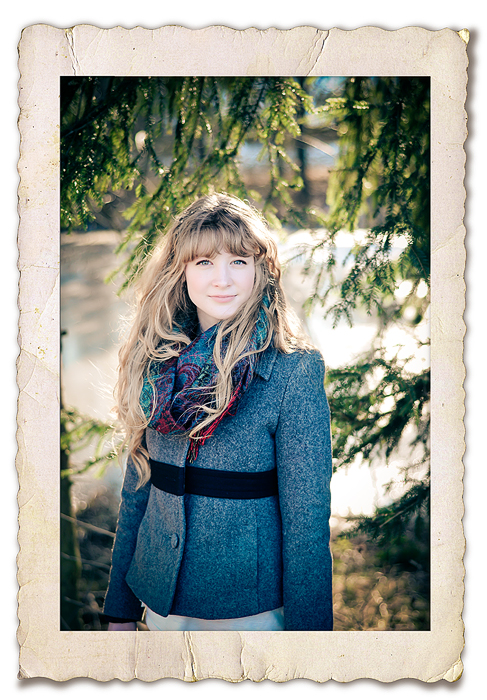
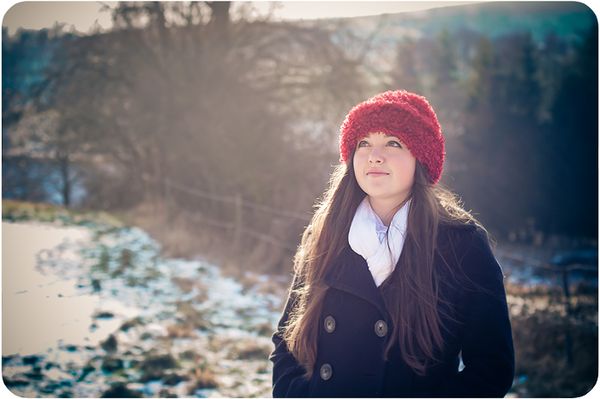
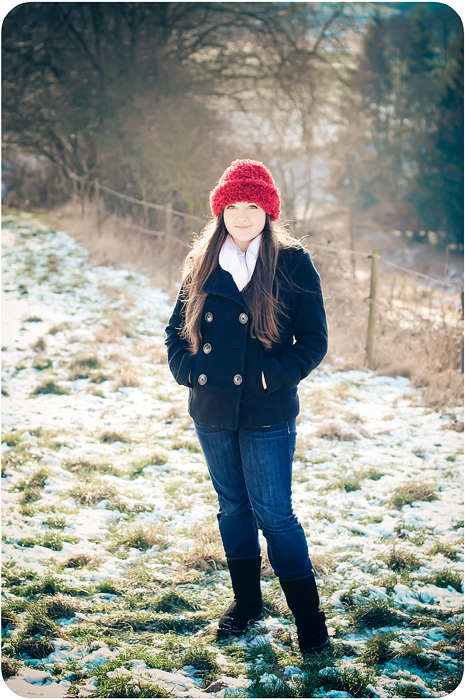
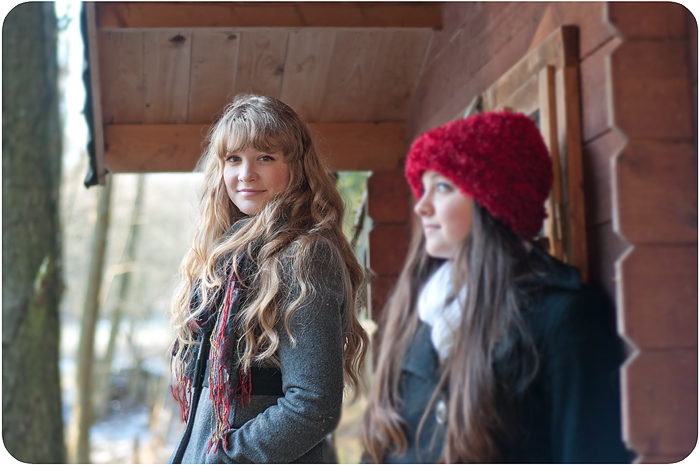
I had to laugh when my son commented on Facebook that a visit to our house typically includes your involvement in a play, a concert, or a photo shoot.  This is actually true, particularly if you are a guest of one of our middle kids.  You may well find yourself swept away into a throwback fantasy world – at least for a little while. It's all good fun.

If you visit, dress warmly.

We may end up hiking over to the cabin at the pond…

Jan  Jan

Jan Jan

Jan Jan Jan Jan

Jan

Jan

Jan

Jan

Jan

Weekend Photography Tips – composition

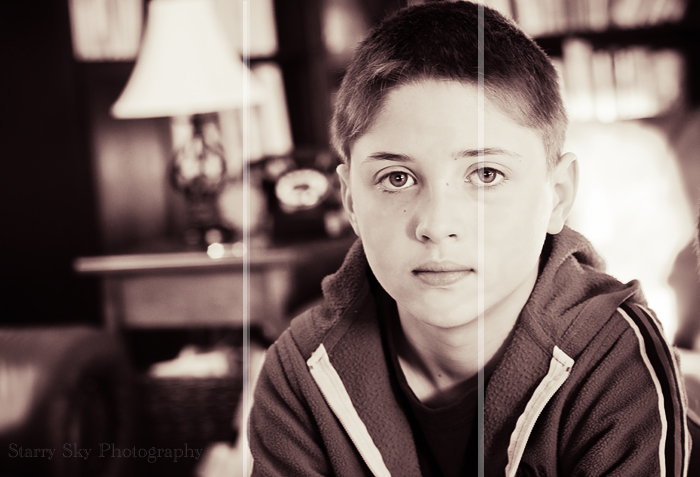
There is one instance in which it is actually less than desirable to be 'centered'.  That is, when it comes to your photographs. (Actually this applies to all forms of visual art.) It is generally accepted that a composition is more pleasing when the subject is slightly off-sides rather than dead center.  For a couple hundred years now this has been referred to as the rule of thirds. 

If you imagine a nine-patch quilt square superimposed over your image, you want to try to position your camera so that the subject is roughly near one of the four points on the center square. This can be done during focusing or later in editing. There is a trick to doing it in camera however because most point and shoot cameras tend to hunt for a center object to focus upon.  
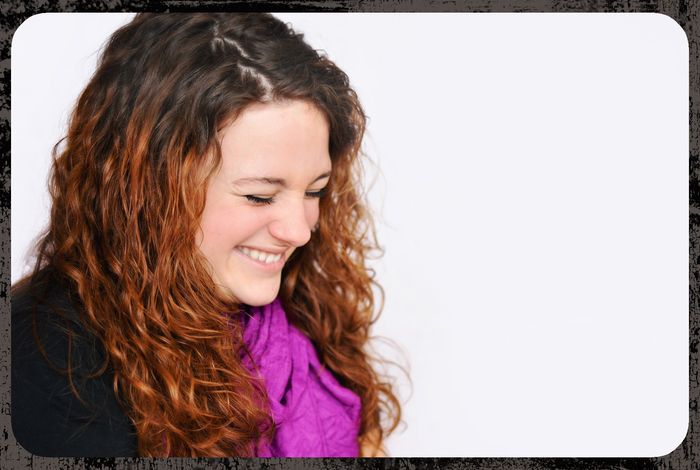
First things first, you need to track down the way your camera is currently set to focus.  Does your camera have face recognition? Does it have flashing boxes in the viewfinder letting you know what it is selecting as focal points?  These are important things to know because whatever is outside the little flashing box(es) may well not be in focus, particularly if you are in Aperture or Portrait modes. 

Next, get your subject into a focus box and press the shutter half way down.  This will lock your focus and exposure.  Many people don't realize that your camera needs a half second there to do that. If you routinely press the shutter button completely immediately without that pause you aren't allowing your camera to focus properly. 

So, you have your subject locked in.  Now, move your camera slightly one way or another to frame the scene and then depress your shutter button the rest of the way. If this takes too much time you can always play around with cropping in your photo editing program.  They all have that. I would suggest making a copy of your image first and then try cropping it different ways for comparison. 

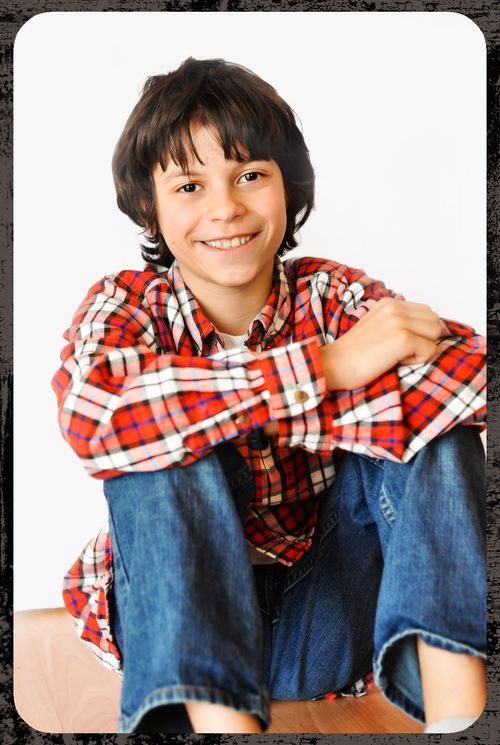
Feb

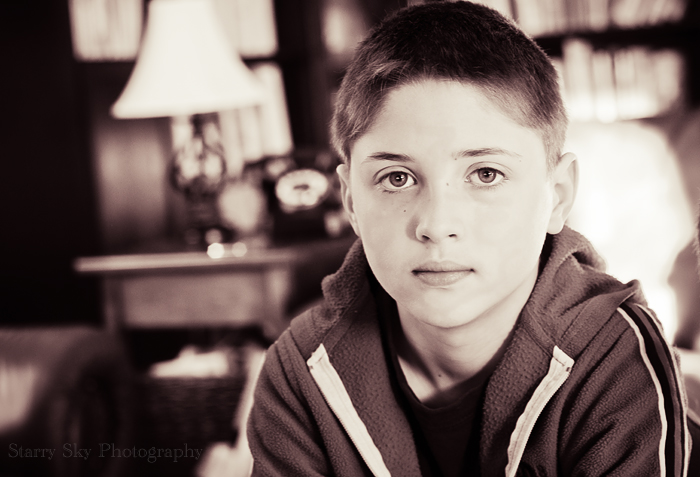
This one is pretty obvious. 

Feb

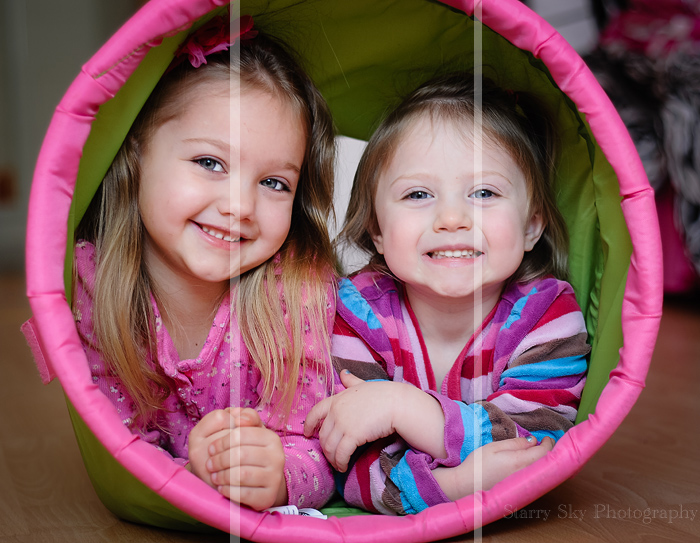
tess


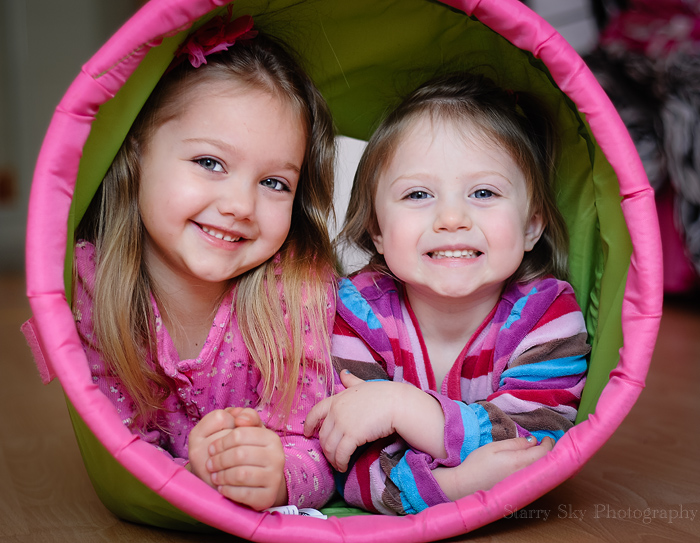
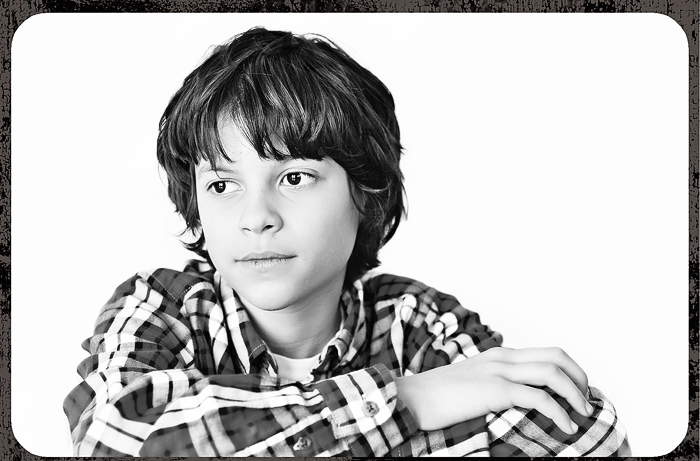
In this shot the tunnel is centered, but you can see that the girls themselves are aligned at the 1/3 and 2/3 marks.  This makes for a more symmetrical composition than Aidan's but still works. 

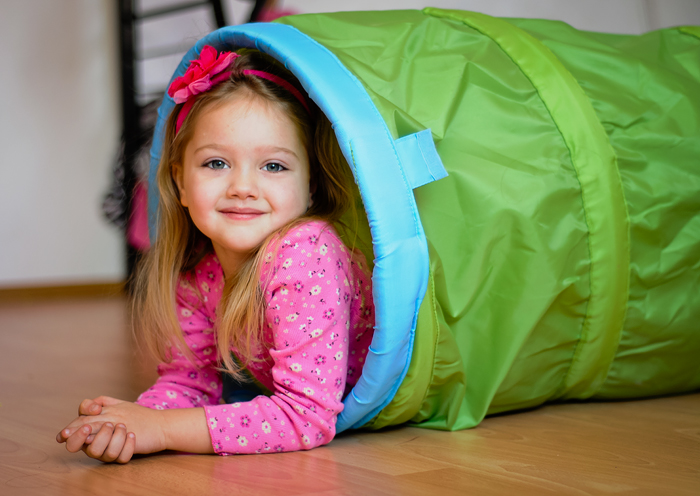
tess

When she was solo, however, I moved Tess slightly left.

 tunnel

The Rule of Thirds doesn't apply only to portraits.  Some gorgeous examples of landscape and still shots here.

Weekend Challenge: learn to identify your camera's focus indicator and practice holding the shutter halfway down and recomposing your shot.  Alternatively, choose some of your older photos and play around with cropping.  (remember, always edit COPIES, never originals – cardinal rule of editing)
The Best Medicine

"The best medicine in the world, without any side effects, is a smiling face."

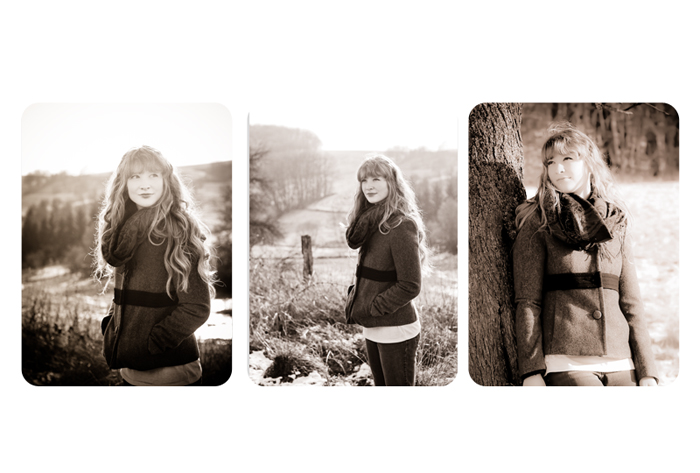
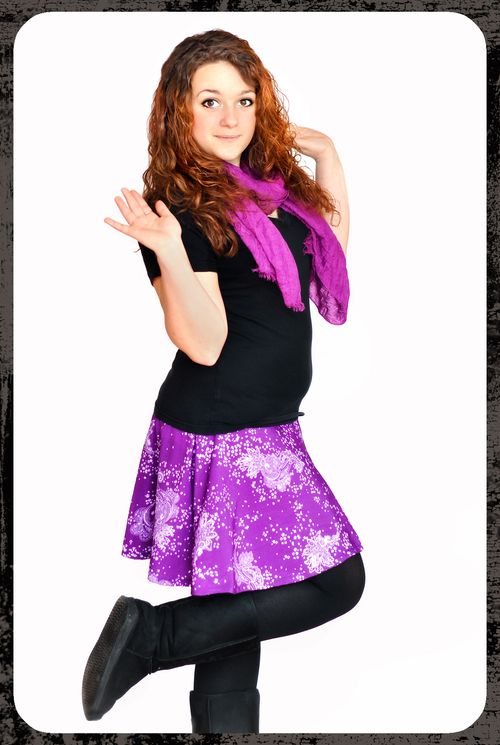
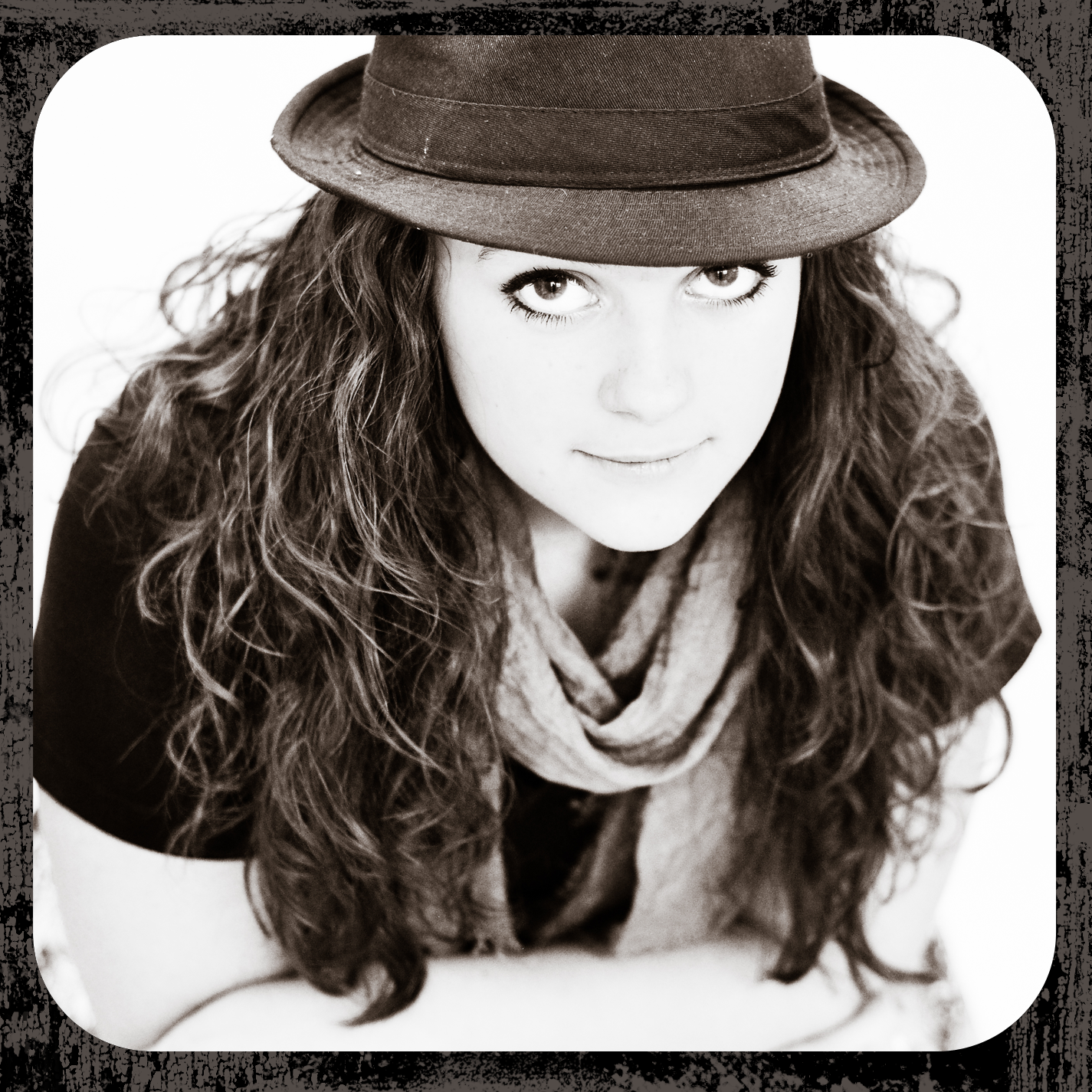
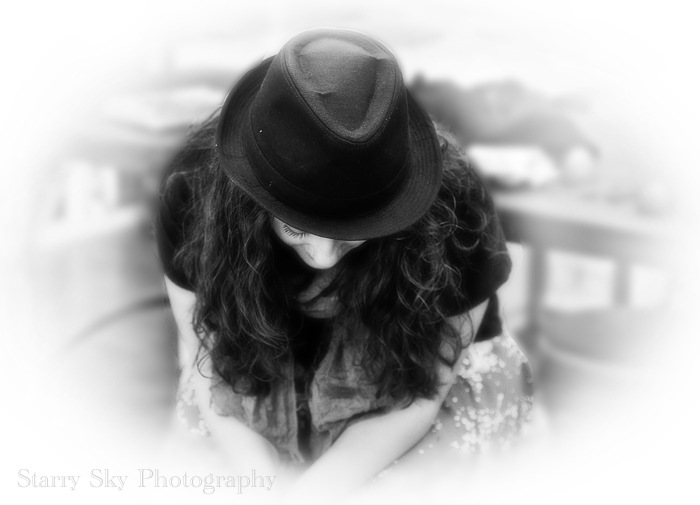
We are hoping this saying holds true.  I had the privilege to photograph some of my favorite people this week and we had a blast.  Lots of smiles and laughter during the session.  Some more sober thoughts and lots of prayers while editing.  You see, the pictures of these beautiful faces are going to be hung in their father's ICU room, where he is in critical condition.  Visits are limited so we bringing a little bit of home to him this way.  I would ask you say a prayer when you see this post for a gentle man and the woman and children who absolutely adore him. 
Feb
Feb

Feb

Feb
Feb
Feb
Feb

Feb

Feb

Feb