"Farmgirl is a state of the heart." – Mary Jane Butters
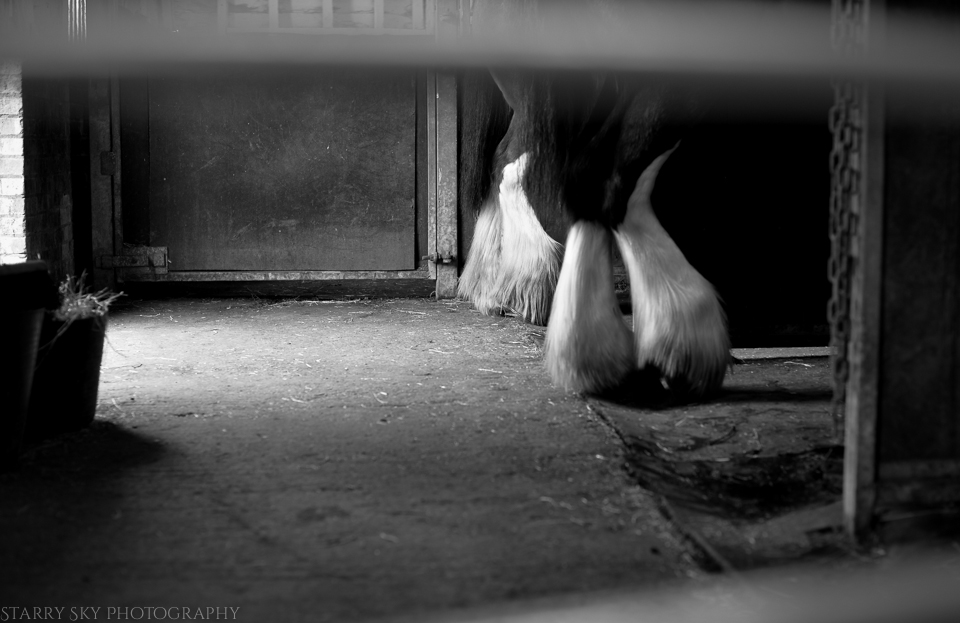
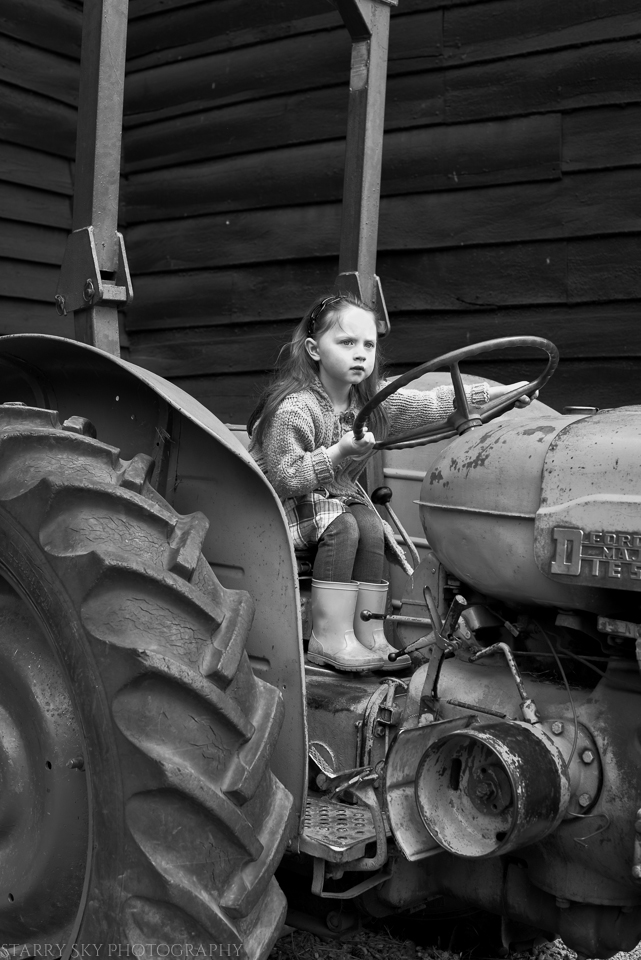
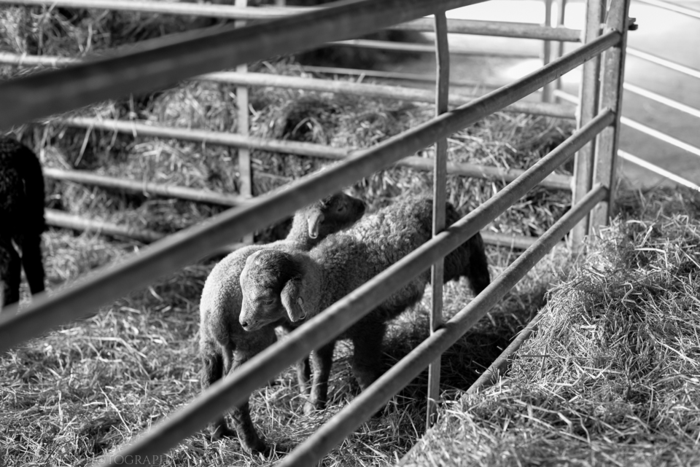
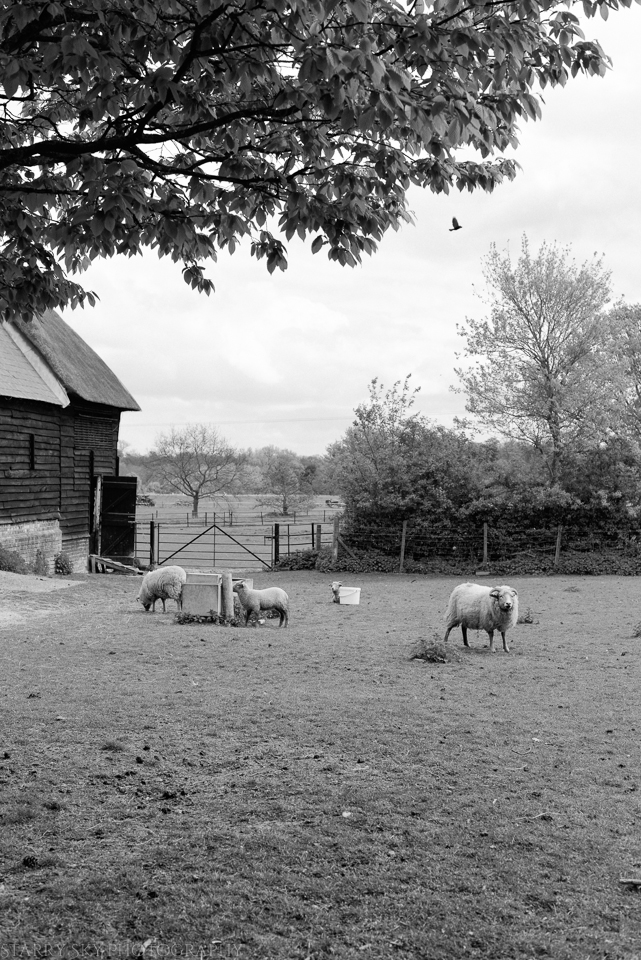
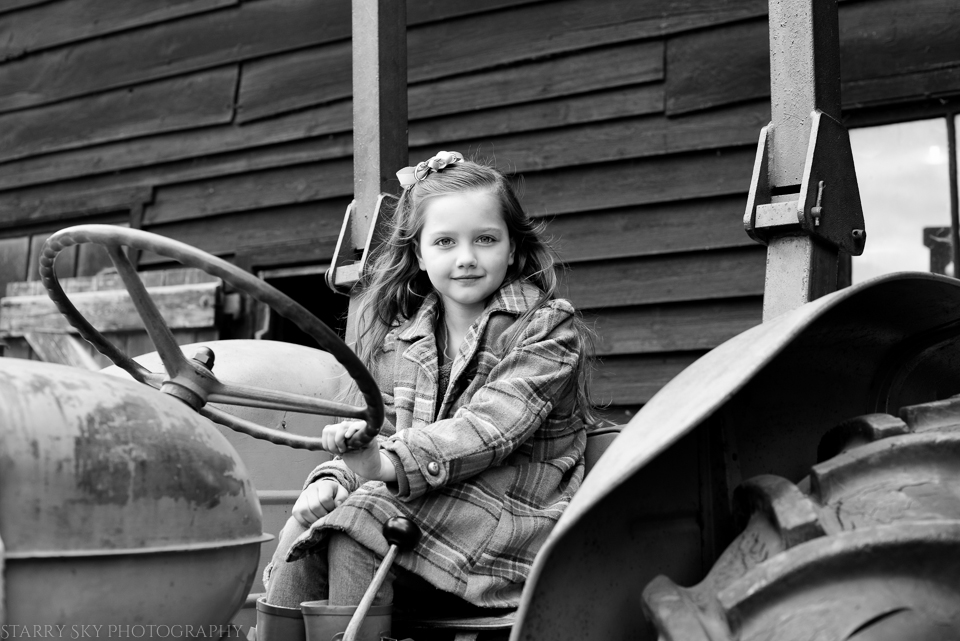
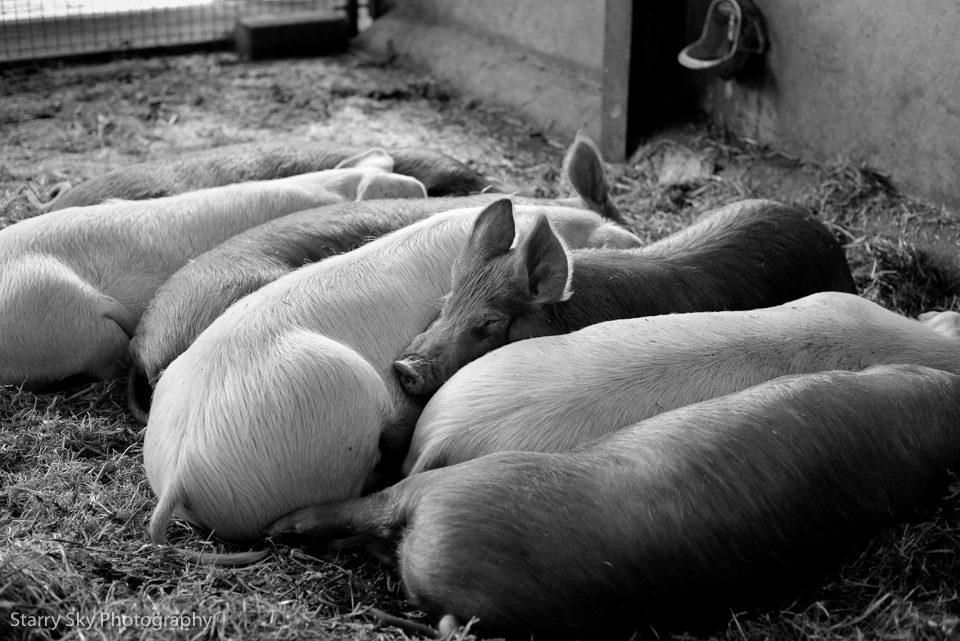
My heart will always be on the farm. And the barn in springtime has a special draw. We have spent lots of time with farm babies lately.
"Farmgirl is a state of the heart." – Mary Jane Butters
My heart will always be on the farm. And the barn in springtime has a special draw. We have spent lots of time with farm babies lately.
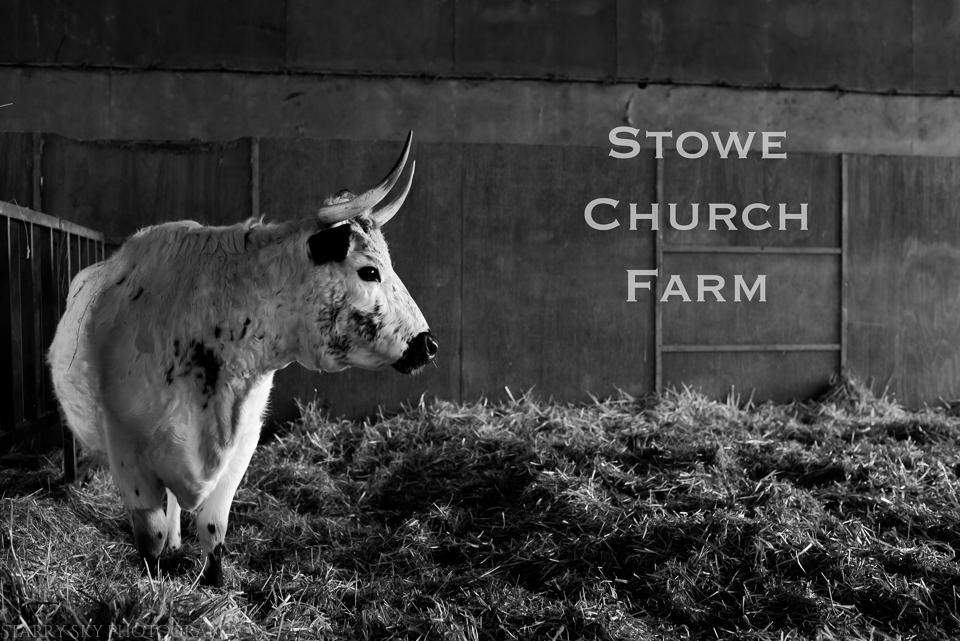
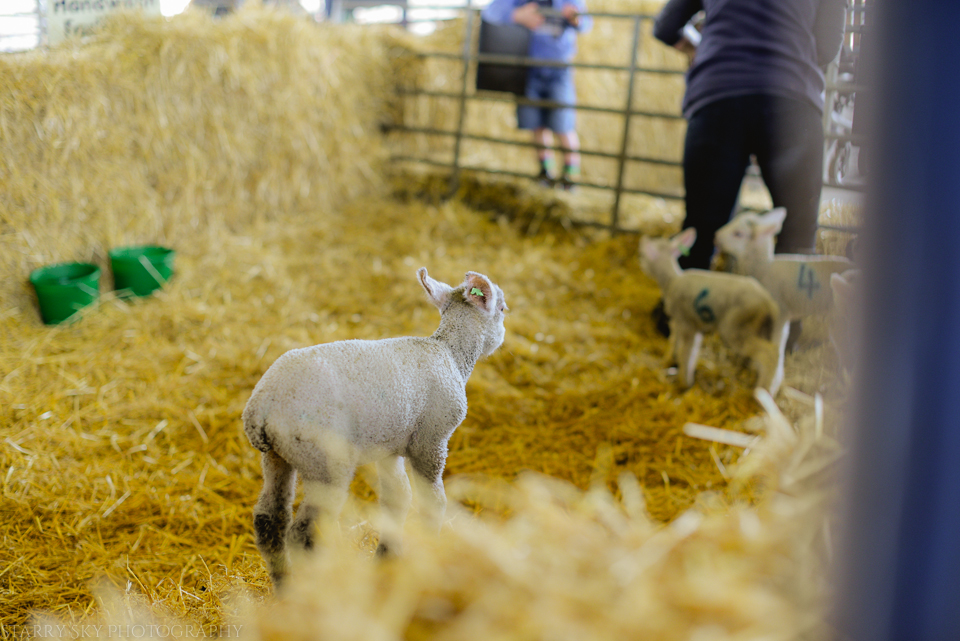
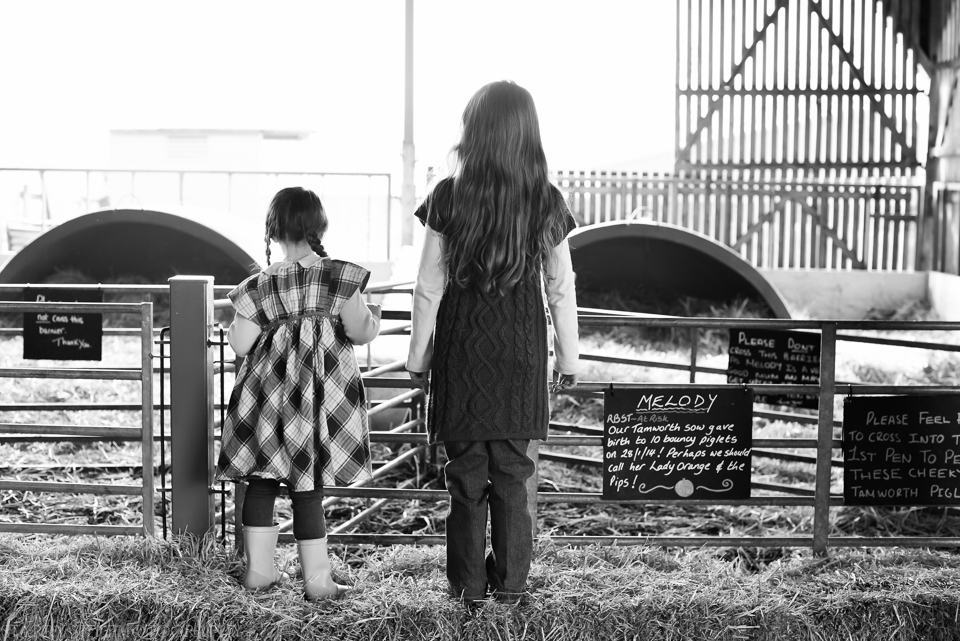
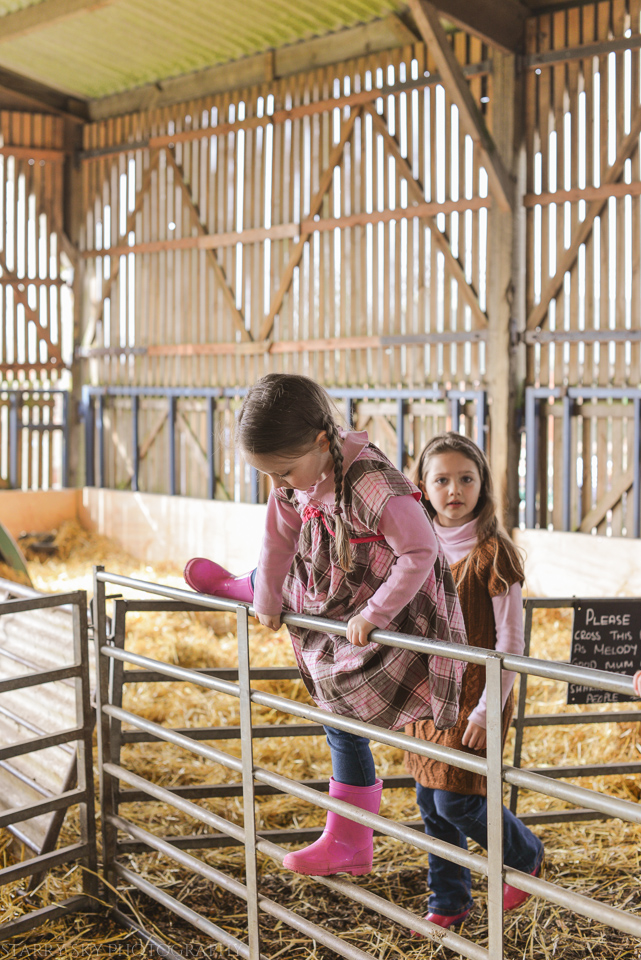
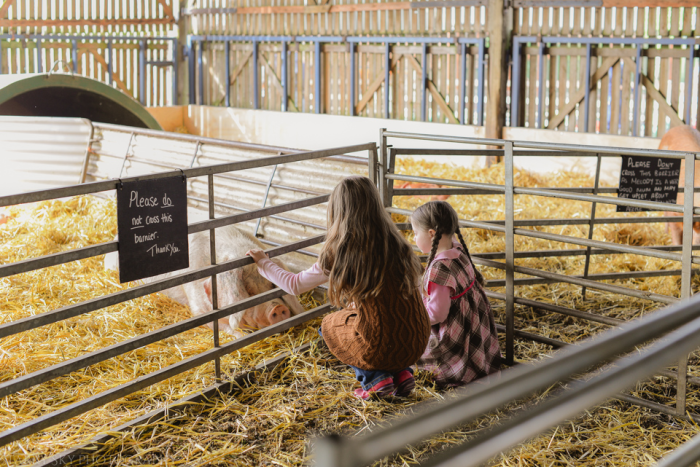
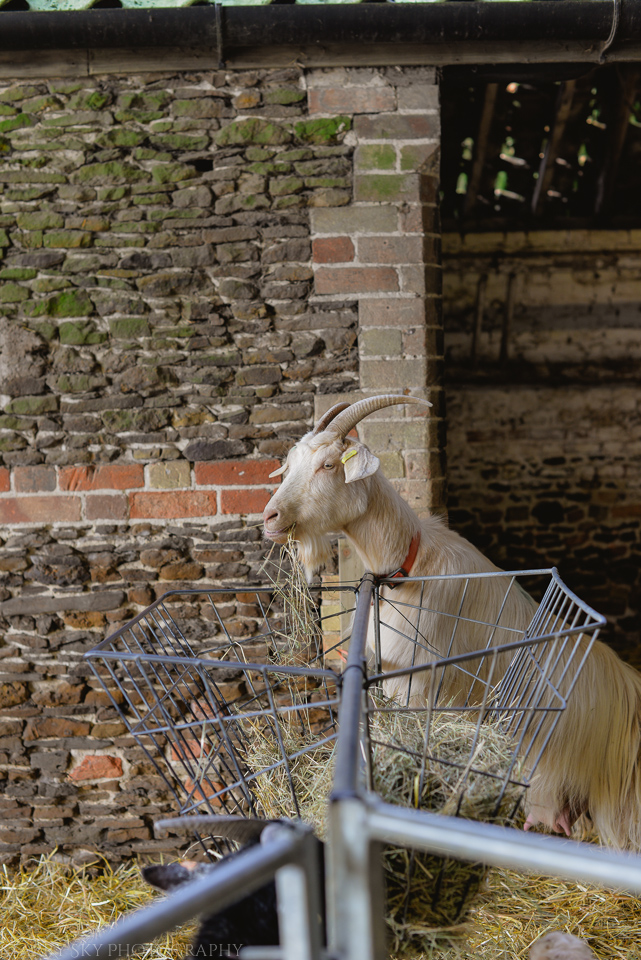
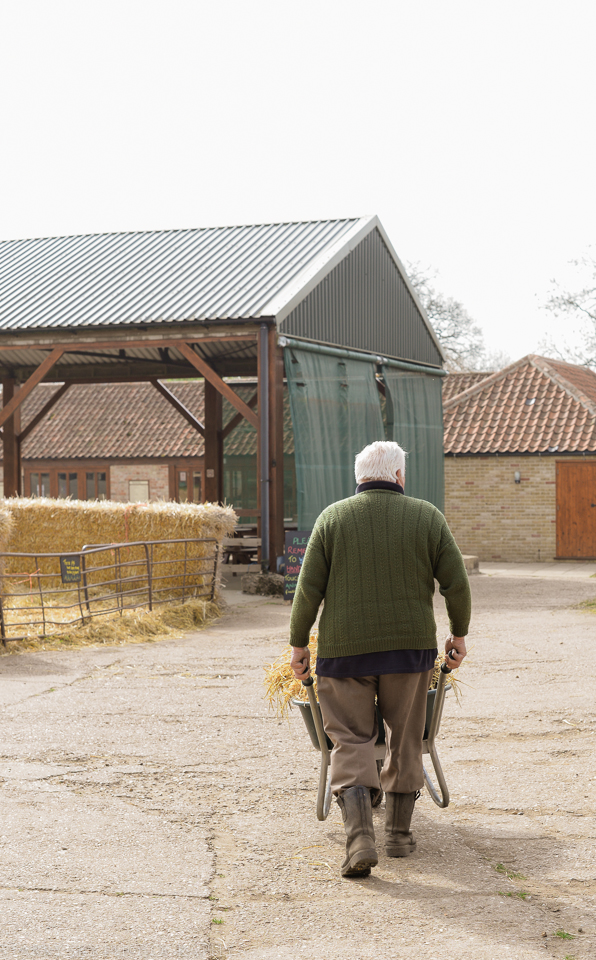
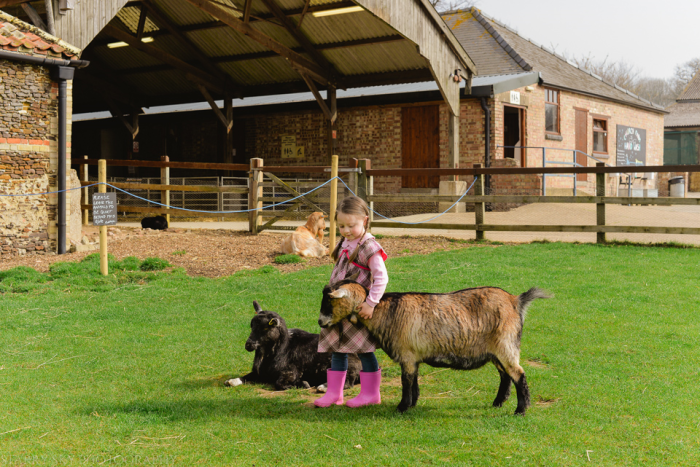
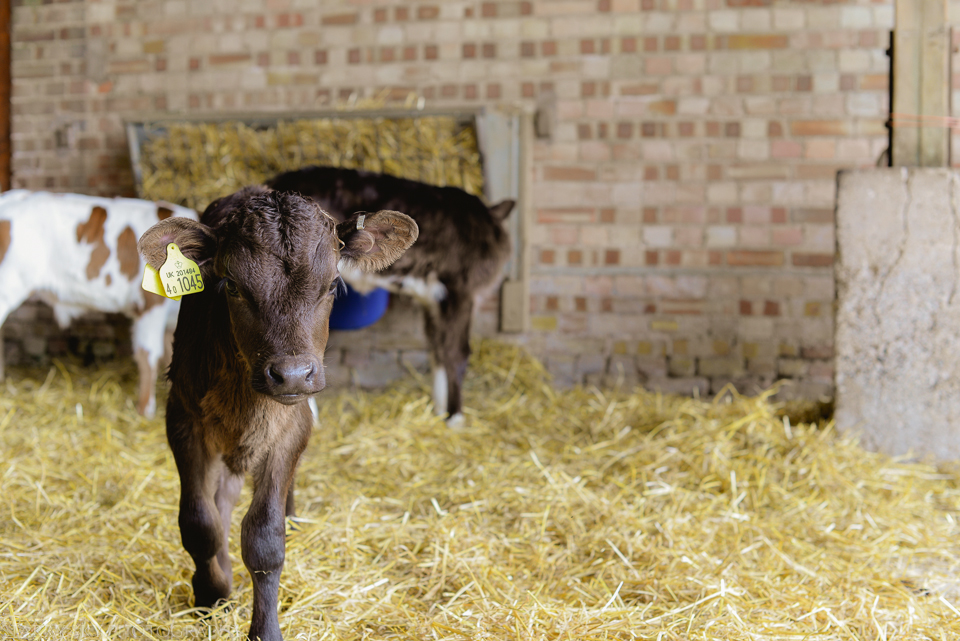
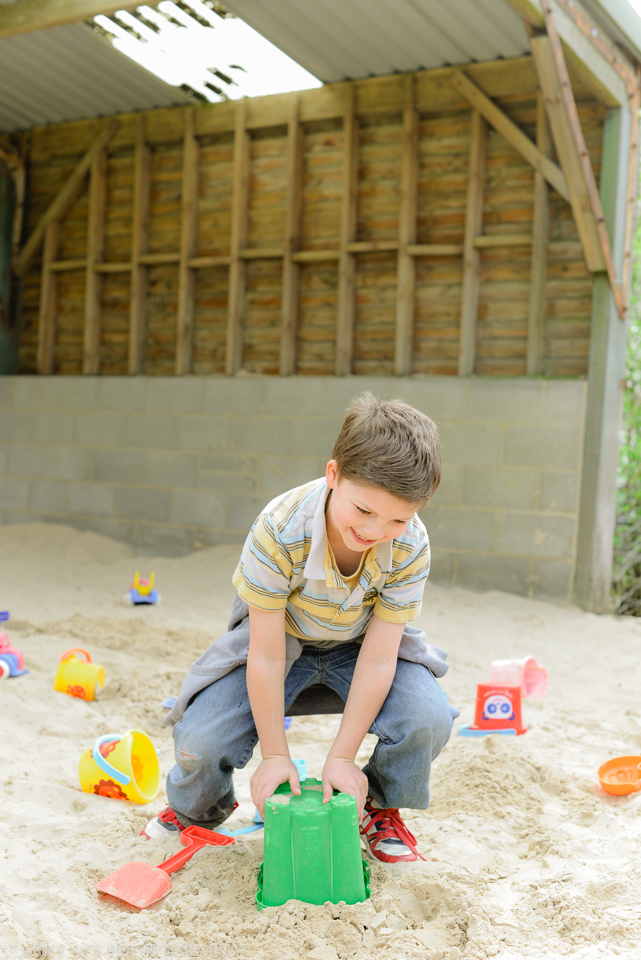
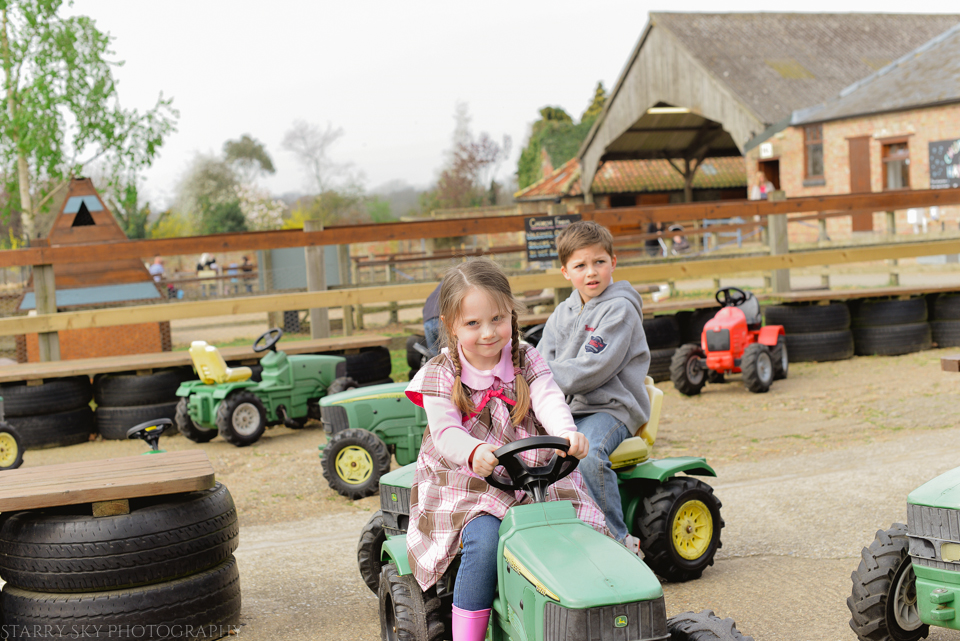
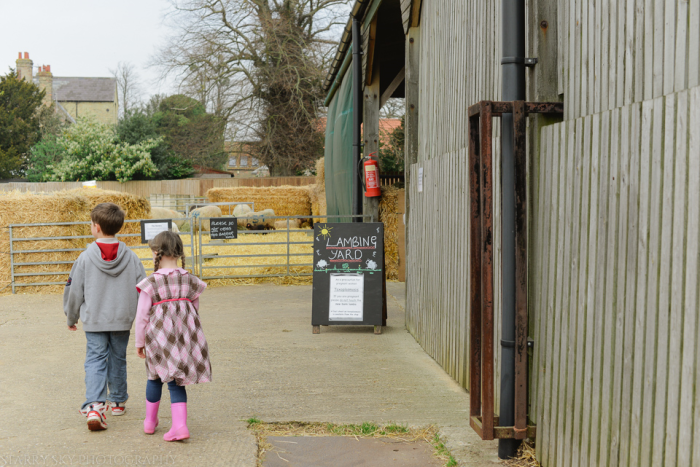

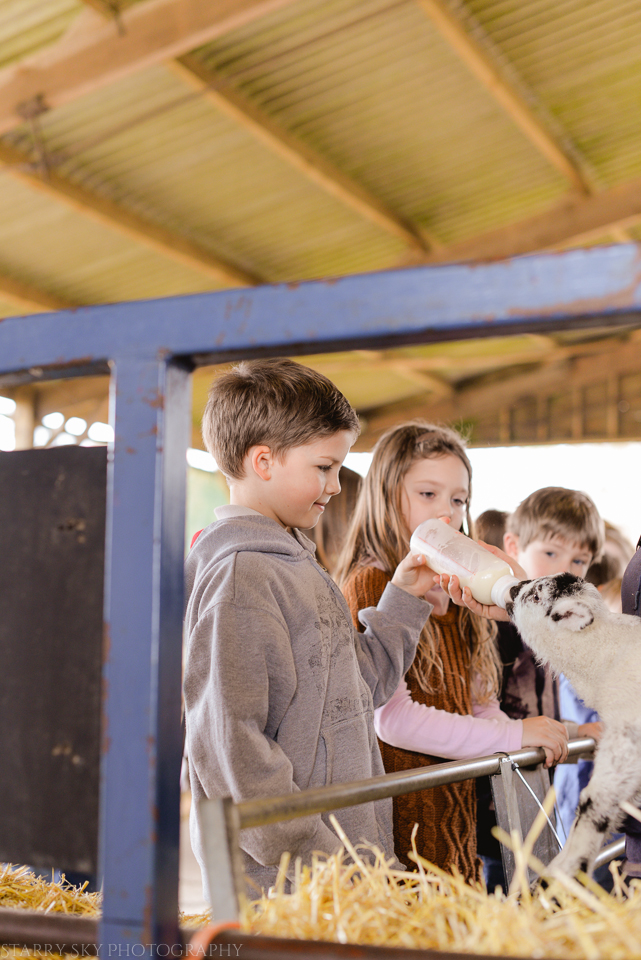
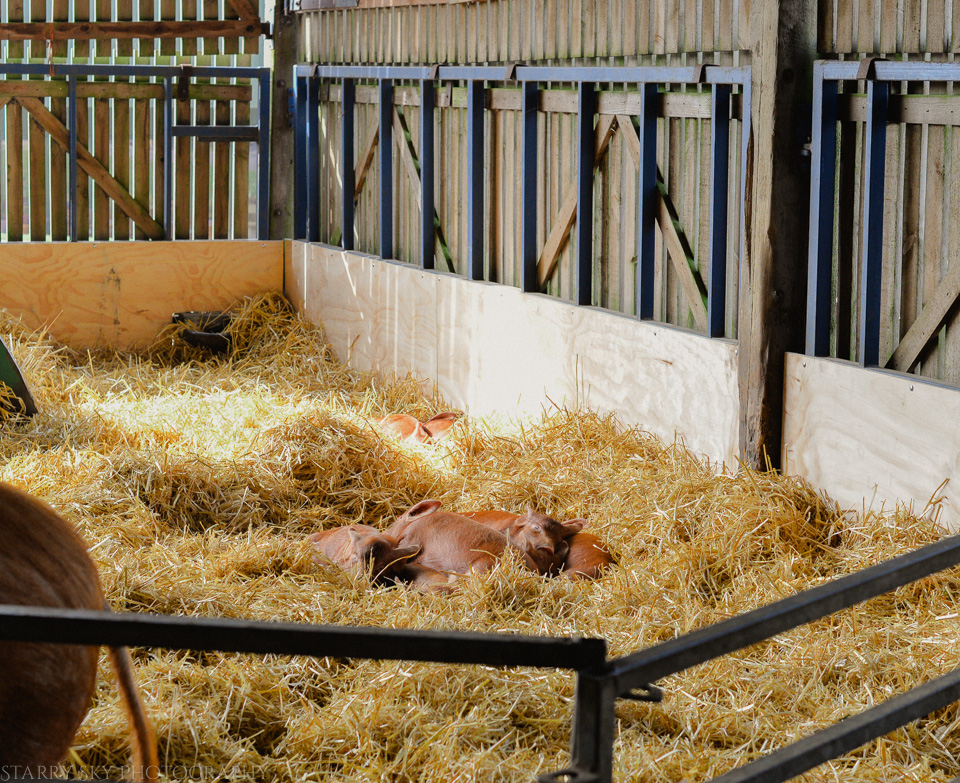
My first thought was, is it really nuts to pay money to visit a farm? When we live on a farm? When we have lived on farms? My second thought was no. The British concept of farm as attraction is brilliant. It creates income for rural communities and allows children to roll up their sleeves and experience so many more aspects of rural life than any one family could normally enjoy. So we timed our visit to a local farm during lambing season when we could see the spring babies and they could try their hand at bottle feeding. The three youngest had a glorious day truly. They wandered from pen to pasture, fed animals, dug in a massive sand pit, and jumped on the trampolines. We lunched at their cafe and took home happily exhausted children who declared it 'best day ever.'
"There are so many things about this life I would like to pass on to my children – the people, the warmth…. but not the hardships."
"I don't think you can have one without the other."
"That is my grief."
– Emma Timmins to Alf, Larkrise to Candleford
Those tomatoes. I mentioned them a bit disdainfully not long ago. They had gotten the best I could offer them – new large pots, rich compost, and marigolds to ward off insects. We watered but took care not to flood them. When we noticed the path of the sun had changed we moved the pots across the garden. Long leggy vines shot out of the pots, defying all attempts to brace and train. Frankly it became an embarassingly gangly mess, but there were tiny green tomatoes clinging to those unruly limbs so it seemed wrong to abandon the effort, hopeless as it had started to appear.
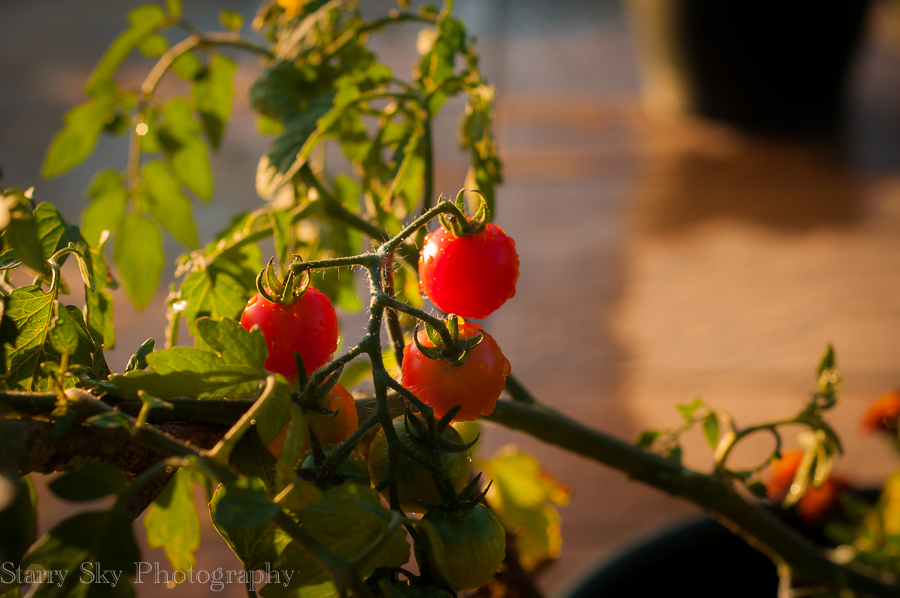
I just wandered by the back garden, noting the weeds creeping among the perennials. There is much work to be done that rather snuck up on me. But while assessing those weeds I noticed something else. The tomatoes have begun to ripen. The first thing that became apparent was that they were most definitely not the sort I was expecting. The starter plants had come with labels describing the varieties we had chosen and I had kept those tucked into the pots to reference. What was growing were not beefsteaks in the least, not even a Roma. Turns out we have several different varieties of cherry tomatoes, some oblong, some round, all unbelievably sweet.
Not the harvest we expected. Certainly not as neat and tidy a process as I envisioned.
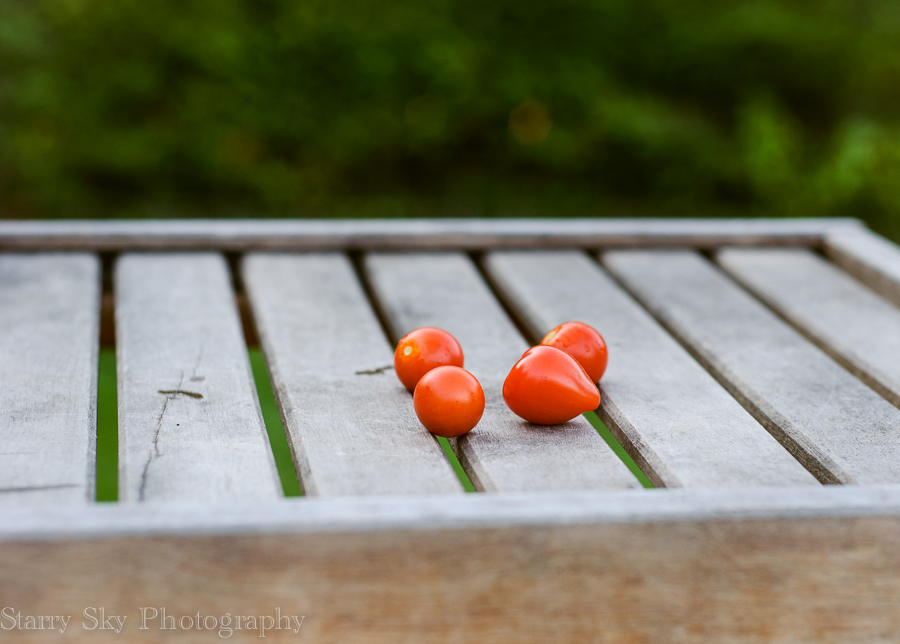
And yet, we are bearing sweet fruit.
A shepherd may be a very able, trusty, and good shepherd, without a sweetheart – better, perhaps, than with one. But what is he without his dog?
– James Hogg
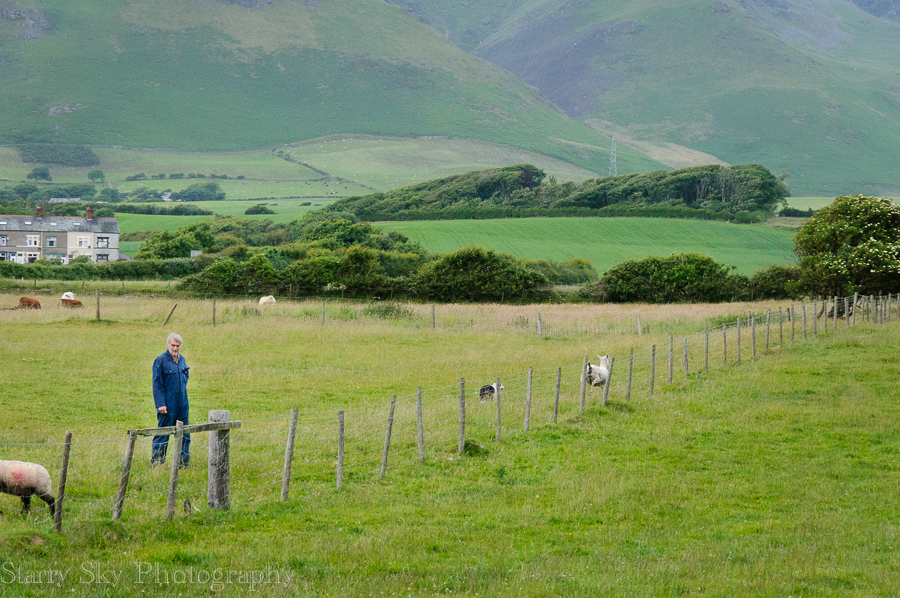
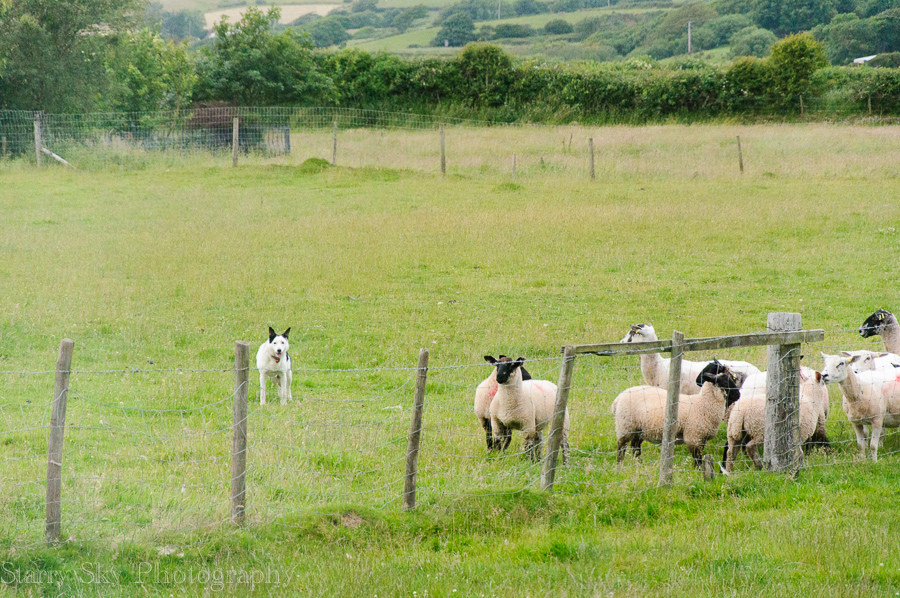
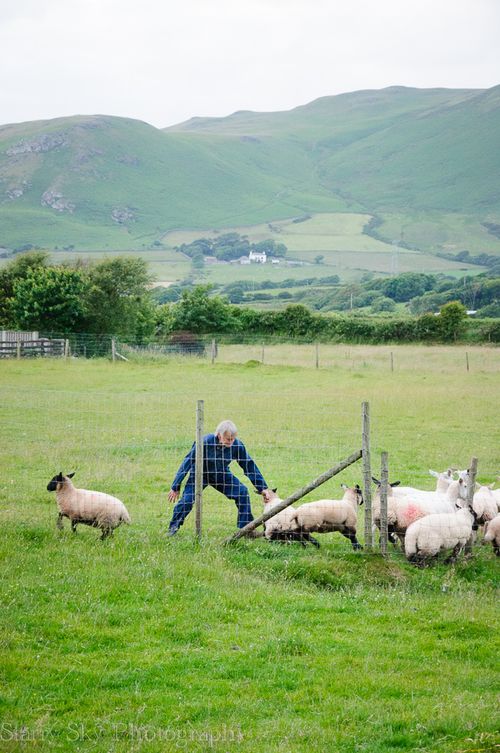
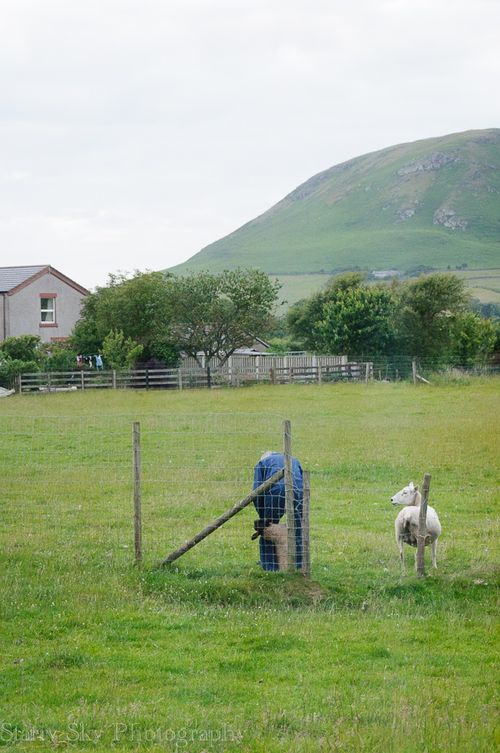
We watched with rapt attention one evening as the shepherd took his dog to the pasture to doctor two of the sheep who were slightly lame. I have never seen a dog work a herd of sheep in person before. It was really nothing short of amazing. The dog followed voice and hand commands, watching both handler and sheep. It had the sheep under complete control, allowing the shepherd to isolate the two he needed and making sure the others were still and collected in the meantime.
We visited with the shepherd a while that night. He knew we had an accent but couldn't place it exactly, he said. <g> We were the very first Americans to have ever stayed at his home. When we told him we had most recently lived in Colorado he remarked that a local he knew had moved there to teach at a university. But, he added, the man returned here to this coastal spot for his holidays.
Smart man, I say, with all due respect to our beloved Colorado.
These sheep are primarily raised for meat. It seems that on this island which was built in large part on the wool industry, wool is nearly worthless today. The market is saturated with cheaper synthetics. This made me sad. It actually made me want to go purchase a thick, scratchy fisherman's sweater on principle. Even though it is July.
Our landlord later confirmed this wool market assessment. He, of course, blames the Irish. If you talk long enough you learn that many of the world's ills can probably be traced over westward way. (said firmly tongue in cheek by this very Irish woman ; ))
At any rate, be it the Irish, the EU, or the darned scratchy wool itself, rayon may be cornering the market but the sheepdogs are still cornering the sheep. And doing a fine job at it. I wish we had such a capable dog when we were chasing goats and cows.
A little bit of family history my children may not know. When I was growing up my grandmother went through a 'sheep phase' on the farm. The family business was actually a riding stable where they bred Quarter Horses but my grandmother had lots of incarnations as she created herself anew time after time. I particularly loved her as shepherdess. She attended courses at the local extension agency and bought a few ewes which later grew to a herd which overwhelmed my grampa. (we didn't have an awesome dog remember) I think I have written that part here before.
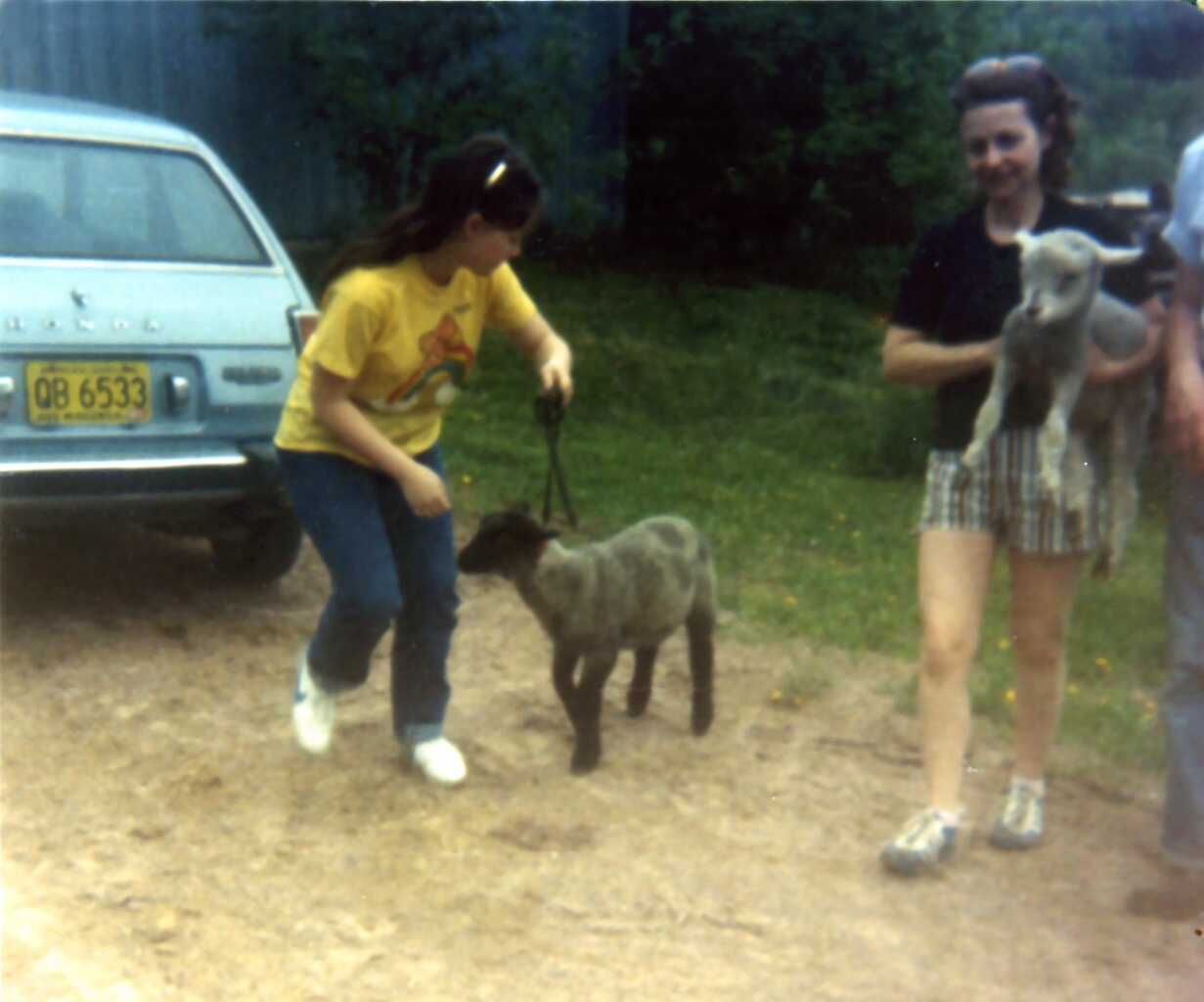
This picture is me (left) returning the orphan lamb I had convinced my mother to allow me to keep in the basement in town while I bottle fed it that summer. boo-yah! He looks great. I look pretty peppy too despite many night time feedings. Not sure why I am mid-flight here….
So with this newfound fascination with all things wooly and wonderful, the children have found our Floss books and are reading them over again with new eyes now that they have a real life dog to compare. Good fun.
If you'd like to have a Kim Lewis feast with us here are some titles to look for:
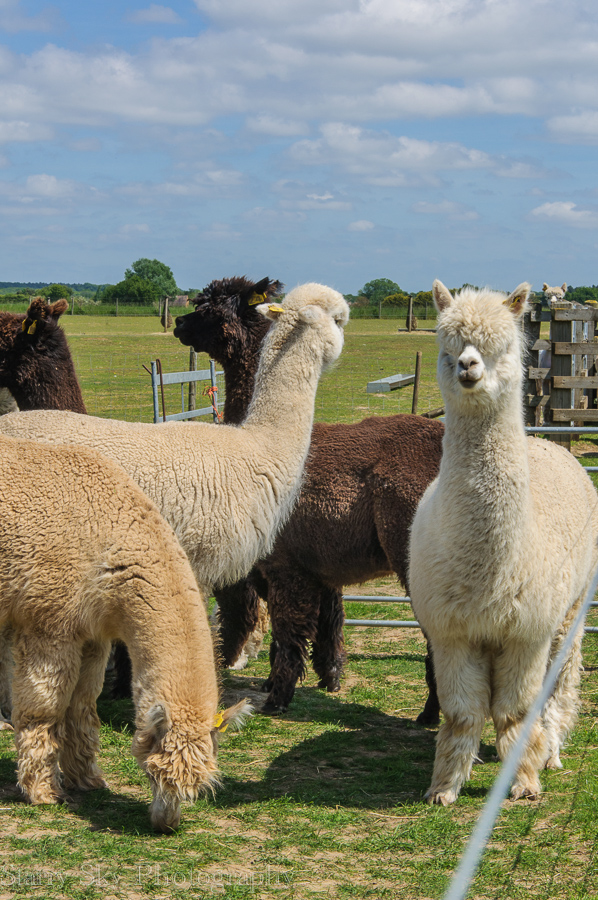
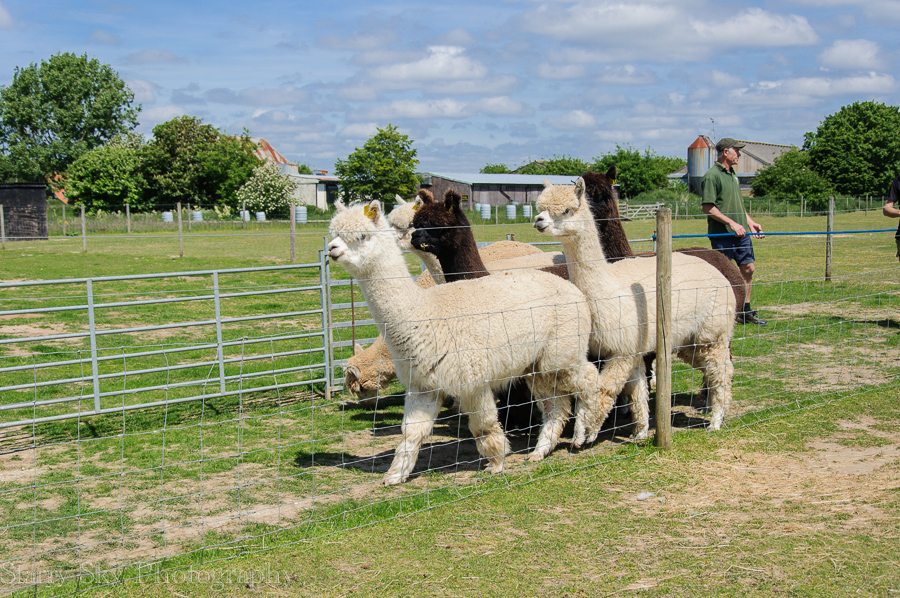
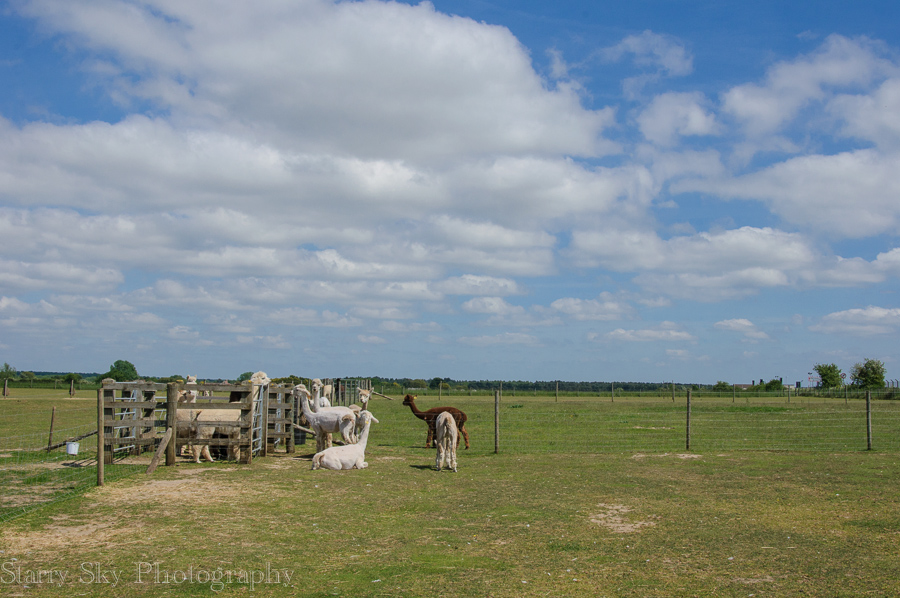
A friend let me ride along to watch the alpacas getting sheared at a local farm last week. The herd is part of a large complex that houses a preschool, herb gardens, and a fiber studio. I knew something about alpacas from our years in Colorado. It is not an inexpensive undertaking and great care must be taken to select, breed, and raise up the animals. Shearing too must be done professionally to save as much of the very dear fiber as possible.
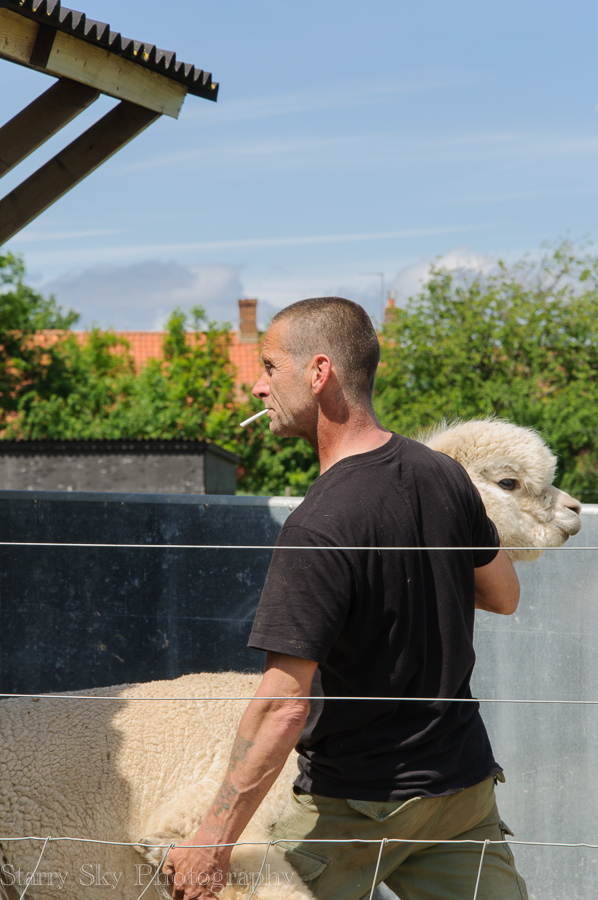
A team from New Zealand did the shearing the day we were there. They brought each animal in by catching it and maneuvering it into the shearing shed on three legs. Then it was carefully laid on its side, shackled to cables, and pulled still to prevent getting cut by the shears.
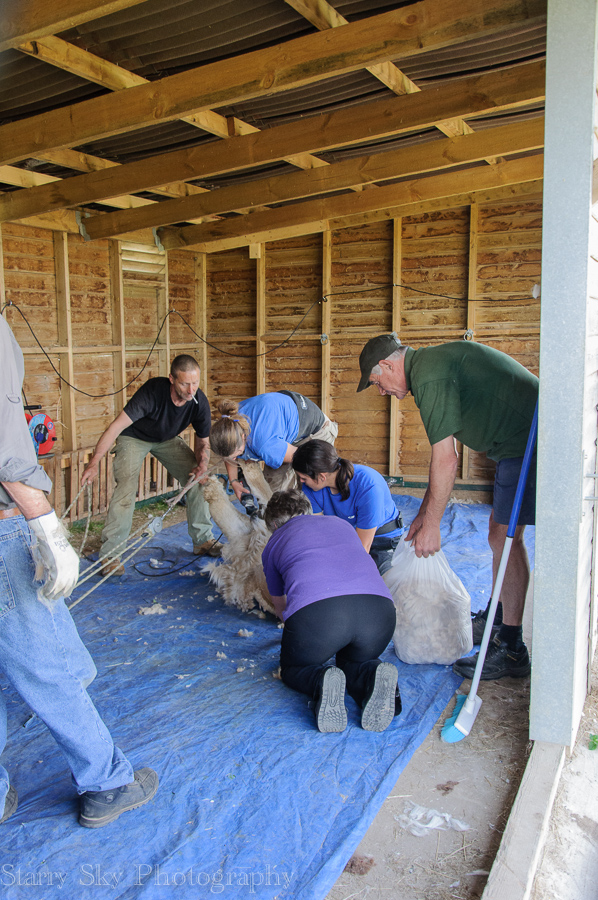
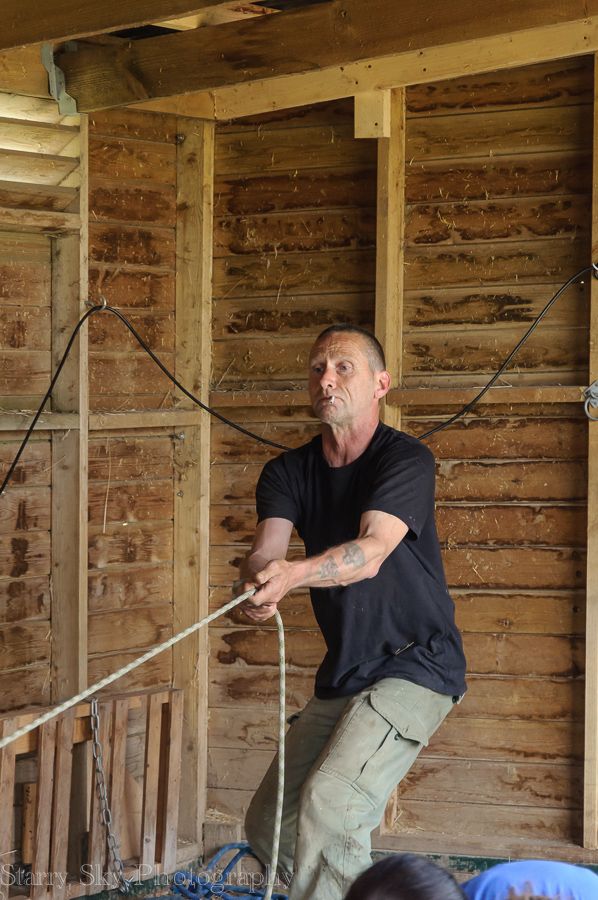
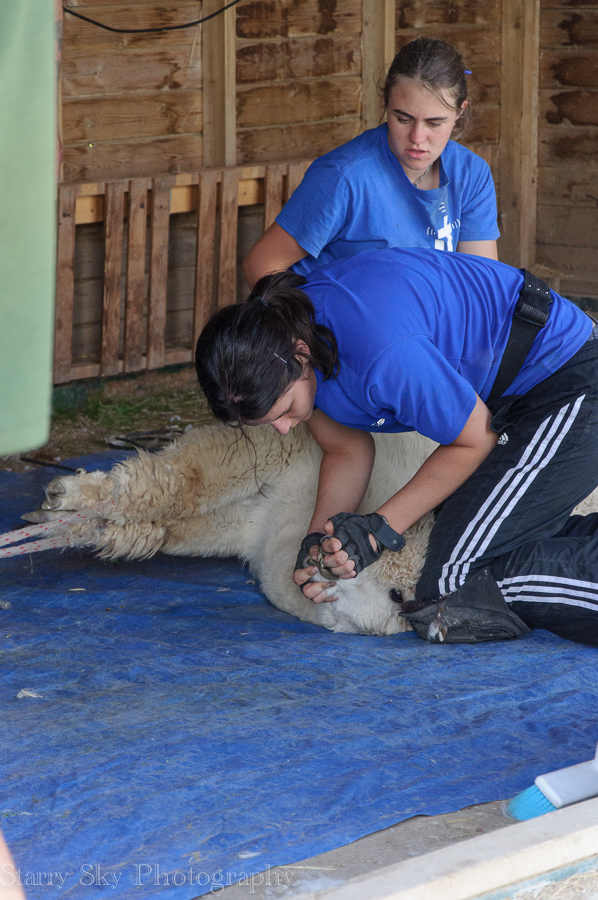
While they had the opportunity, they filed any teeth in need and trimmed the hooves.
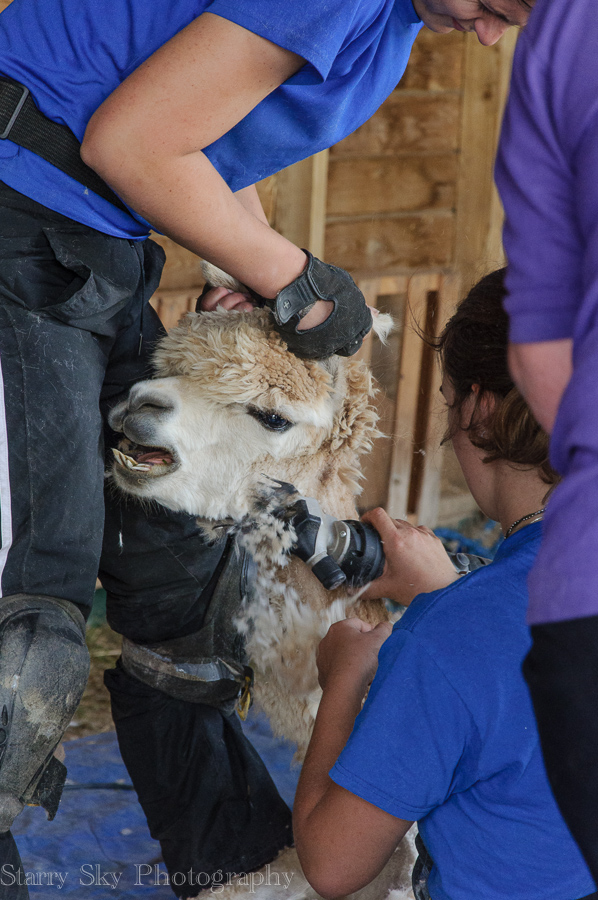
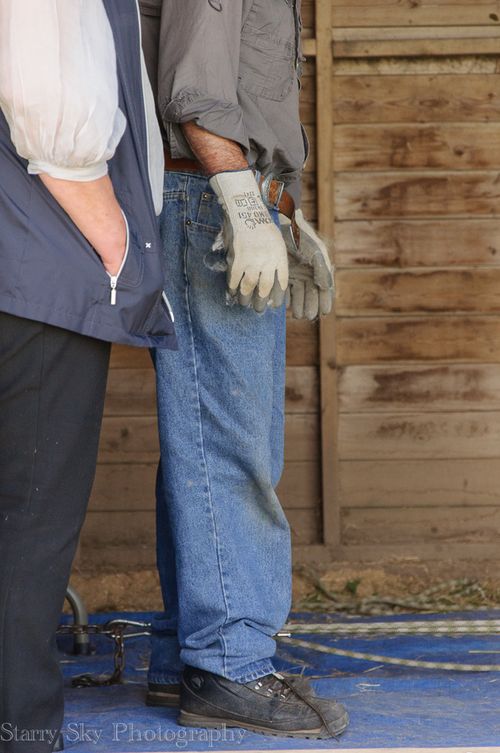
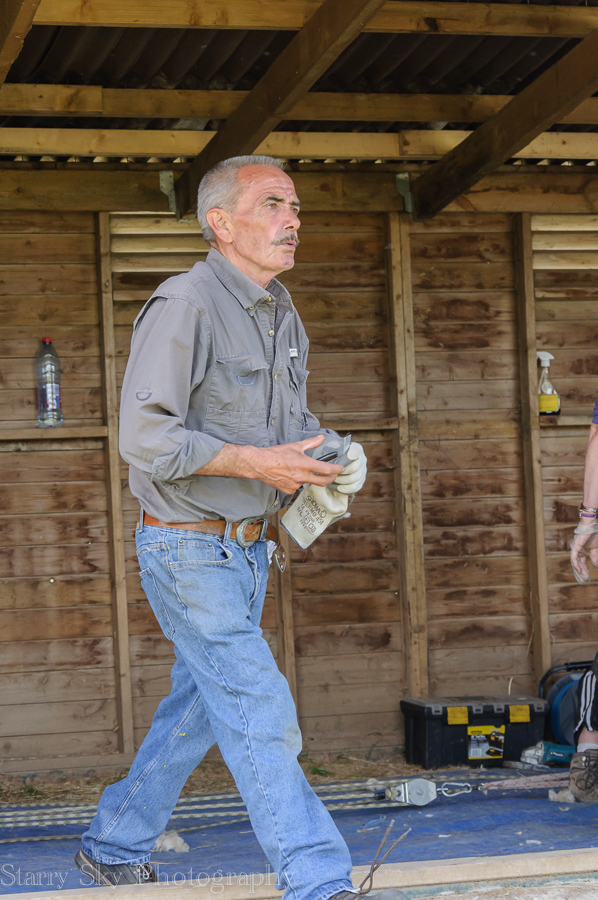
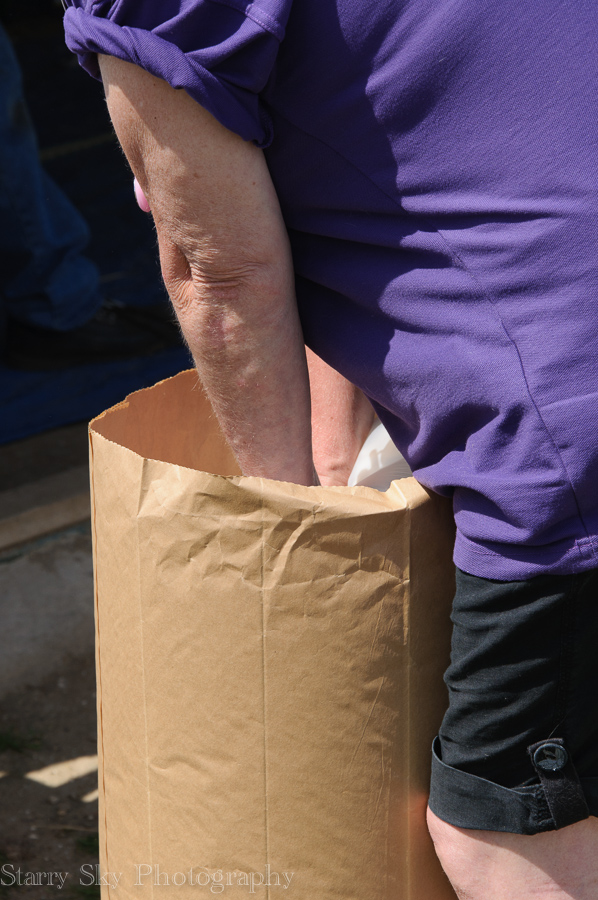
The shorn fleece was bagged (in paper potato sacks) and weighed. A small sample was numbered and bagged in little plastic bags to be sent off to Australia to get a micron count for each alpaca in the herd. There is noplace in the UK to have that done, so that's where it goes. Anything that goes to Australia just automatically seems much more exotic to me, as an American. : )
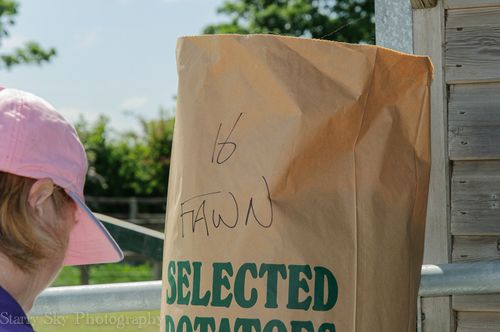
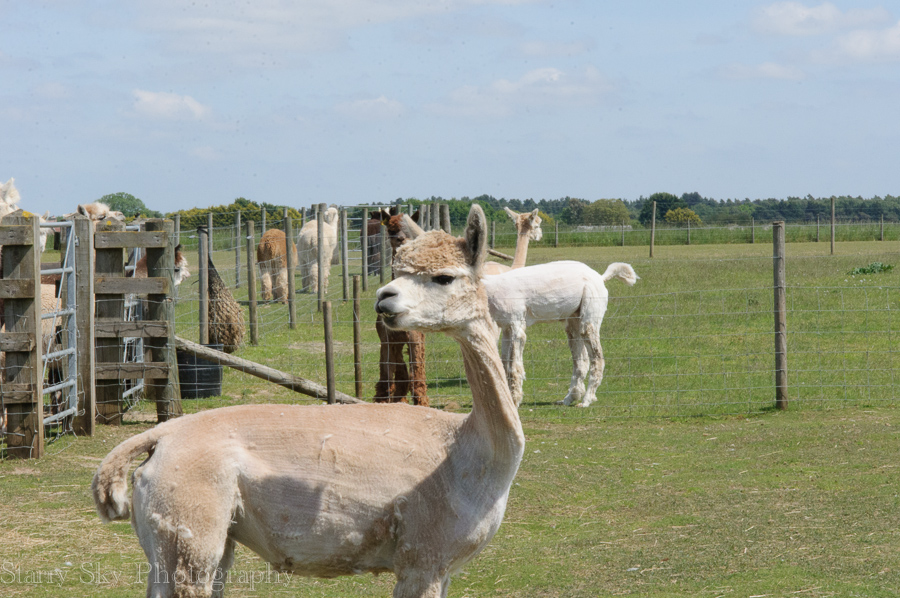
Fwiw, alpacas make a rather unearthly sound when they are unhappy and emerge from a shearing looking even more alien than before if possible. They did, however, take it all in stride. They made very little fuss and were off to pasture in no time.
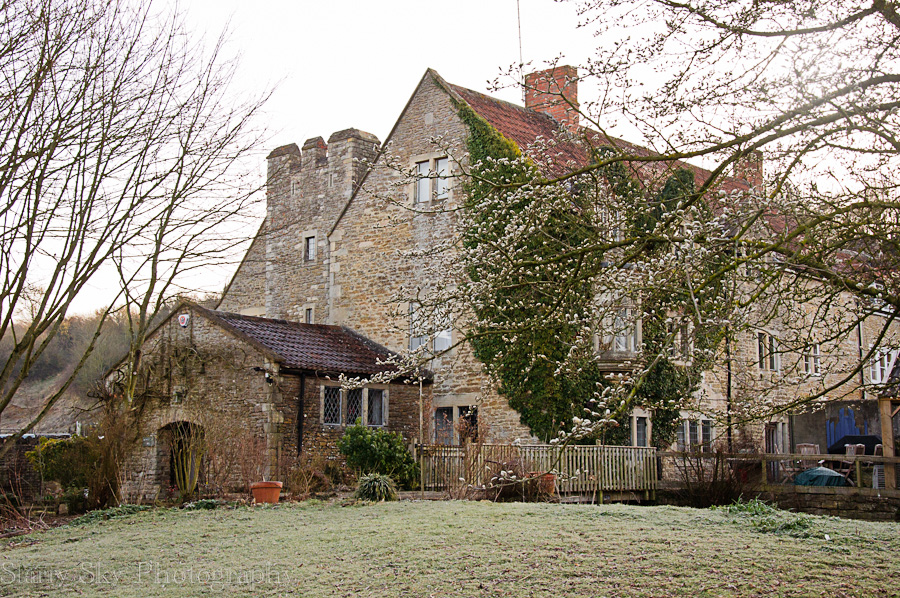
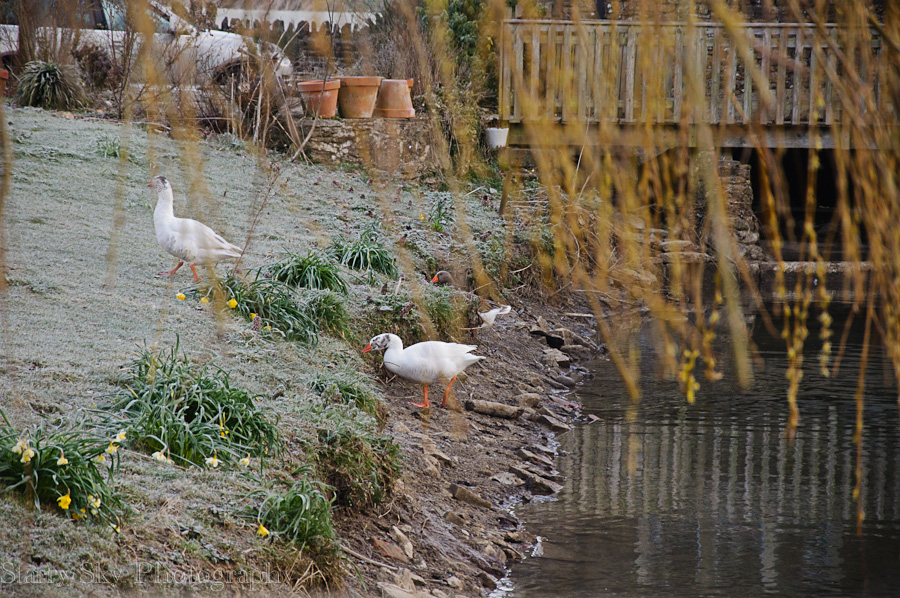
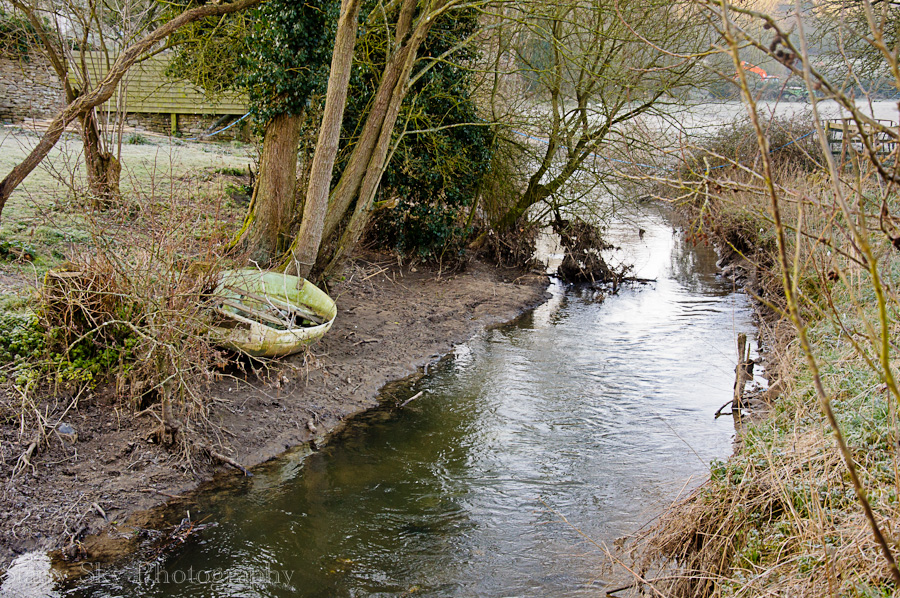
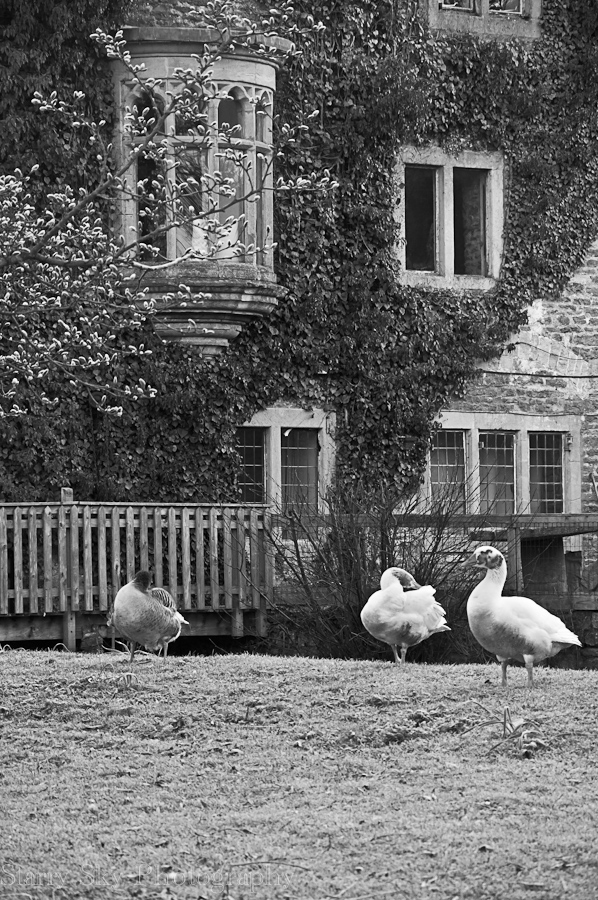
Pictures are piling up again. Spring is finally here it seems though, and we have been enjoying it so very much. So while I promise Bath news is coming, meantime I leave you with the old mill stream – literally. Before breakfast I walked along the stream beside the old Beckington Mill in Somerset which dates back to 1086.
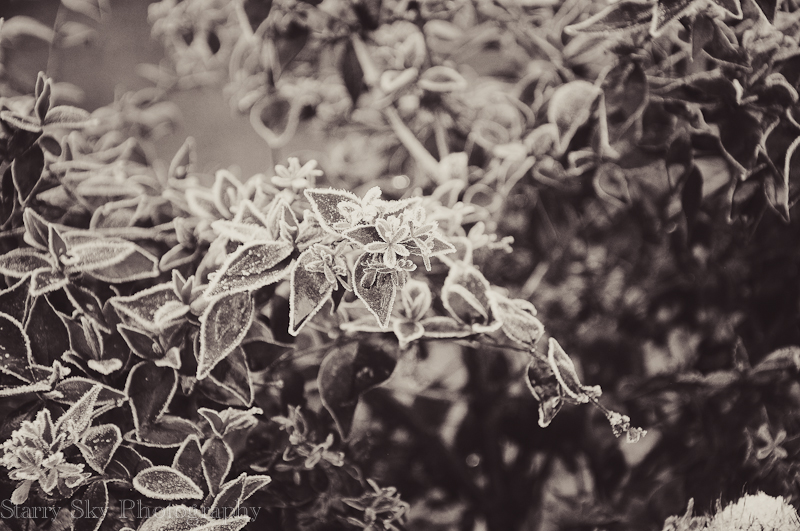
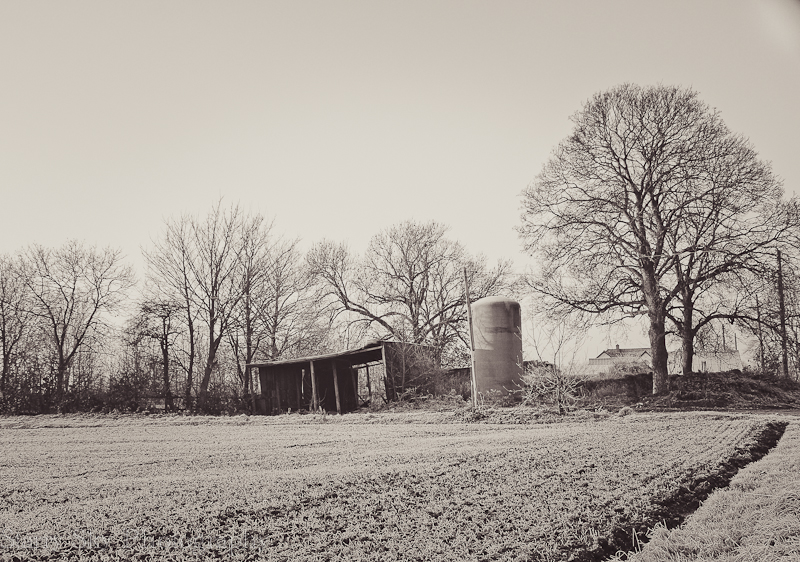
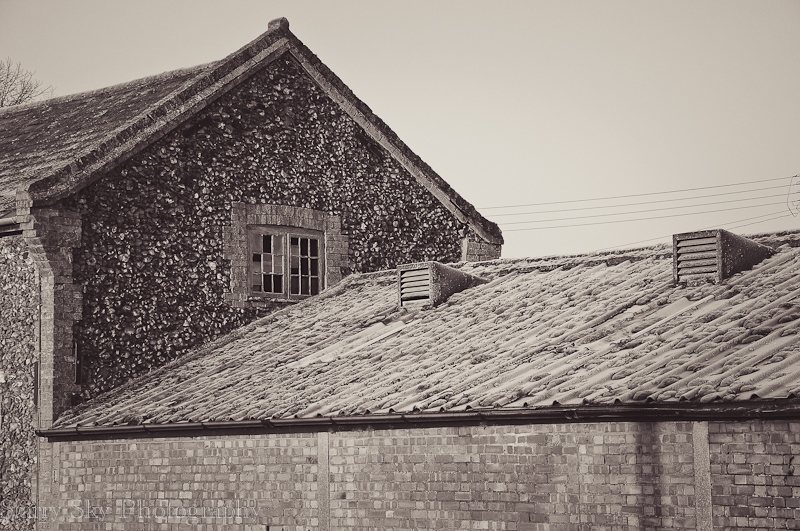
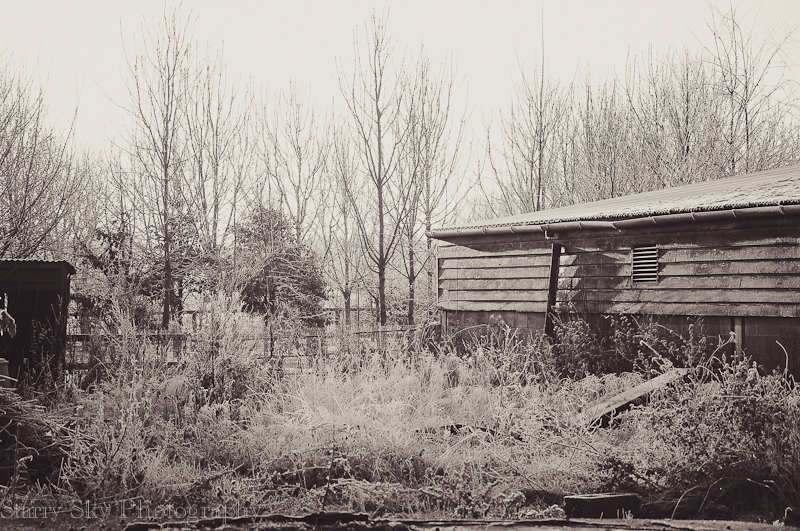
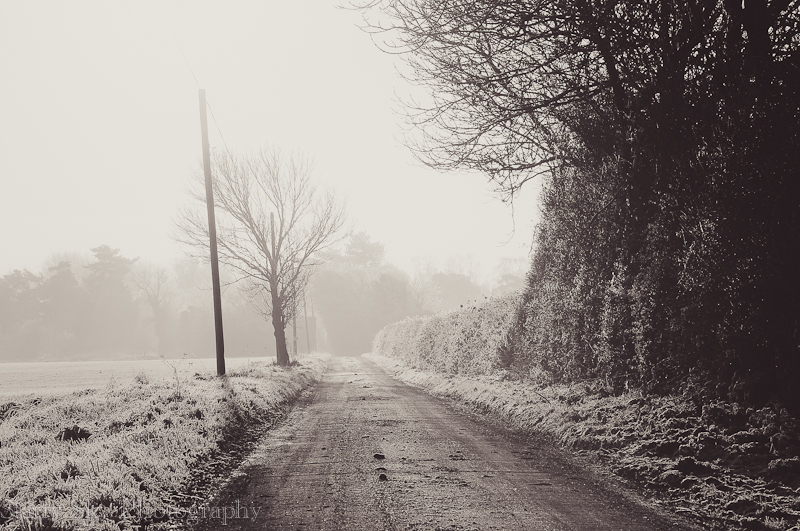
It was a frosty morning but the sun quickly warmed things up. The days have been successively more seasonal and sunny since, pulling us outdoors. This is as it should be.
The golden moments in the stream of life rush past us, and we see nothing but sand; the angels come to visit us, and we only know them when they are gone.
– George Elliot
Don't let it rush past.
 Starry Sky Journal