Hooping it Up


Apr 2018 hoop art web (2 of 3)

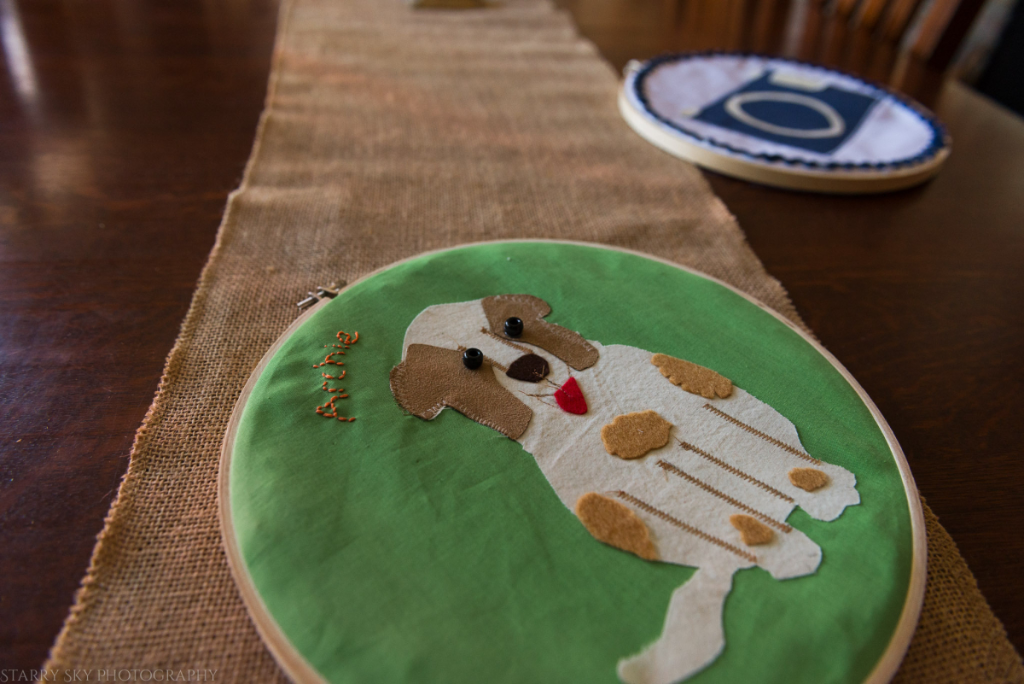
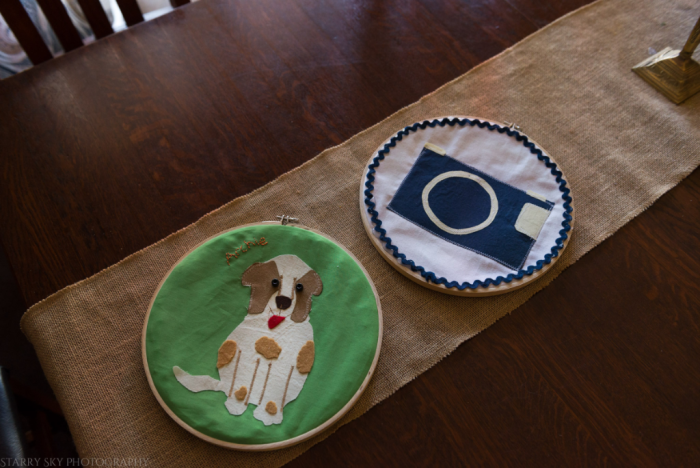
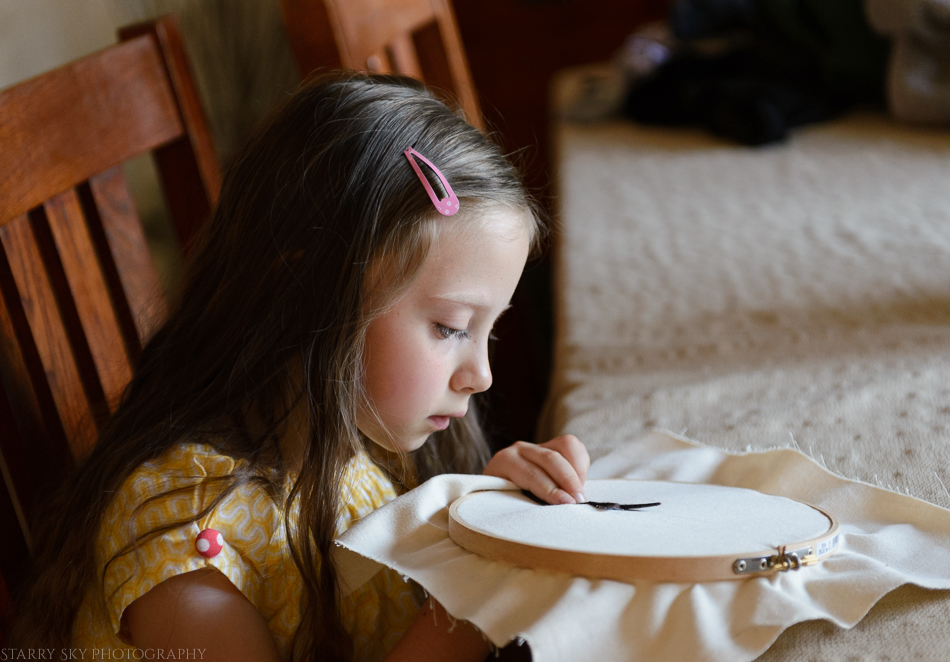
Sorry.  That was lame lol.  The girls made some really nice embroidery hoop art pieces at their sewing class last week.  The projects called for lots of new techniques for them.  They drew their designs on paper and cut them out to trace onto fusible web.  They ironed that to the fabrics and cut and ironed the pattern pieces to the their background material.  They used a tight zig zag stitch to embroider detail as well as hand sewing some buttons for the Archie dog.  He figures prominently in many family art projects.  We heart Archie! 

Apr 2018 hoop art web (2 of 3)
How to for similar fusible project we want to tackle here

Zigzag tute here

button trees


Oct 2015 sew web (1 of 1)-2

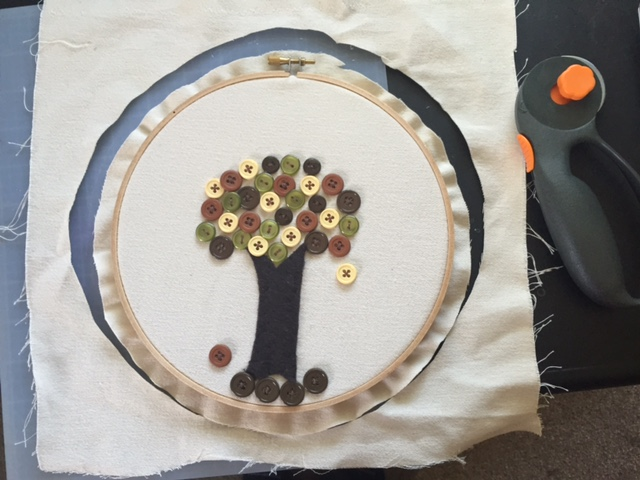
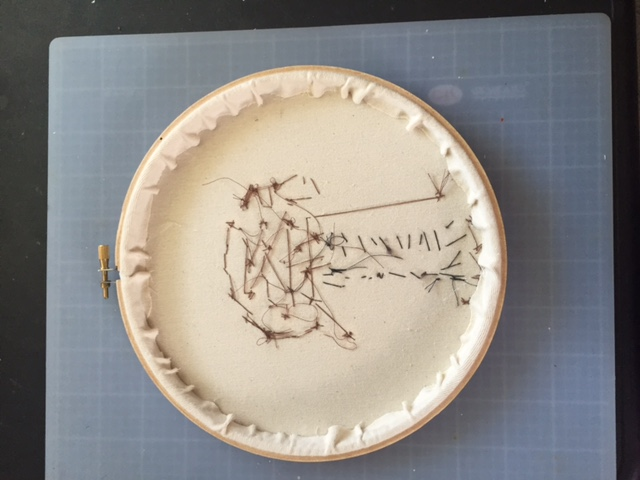
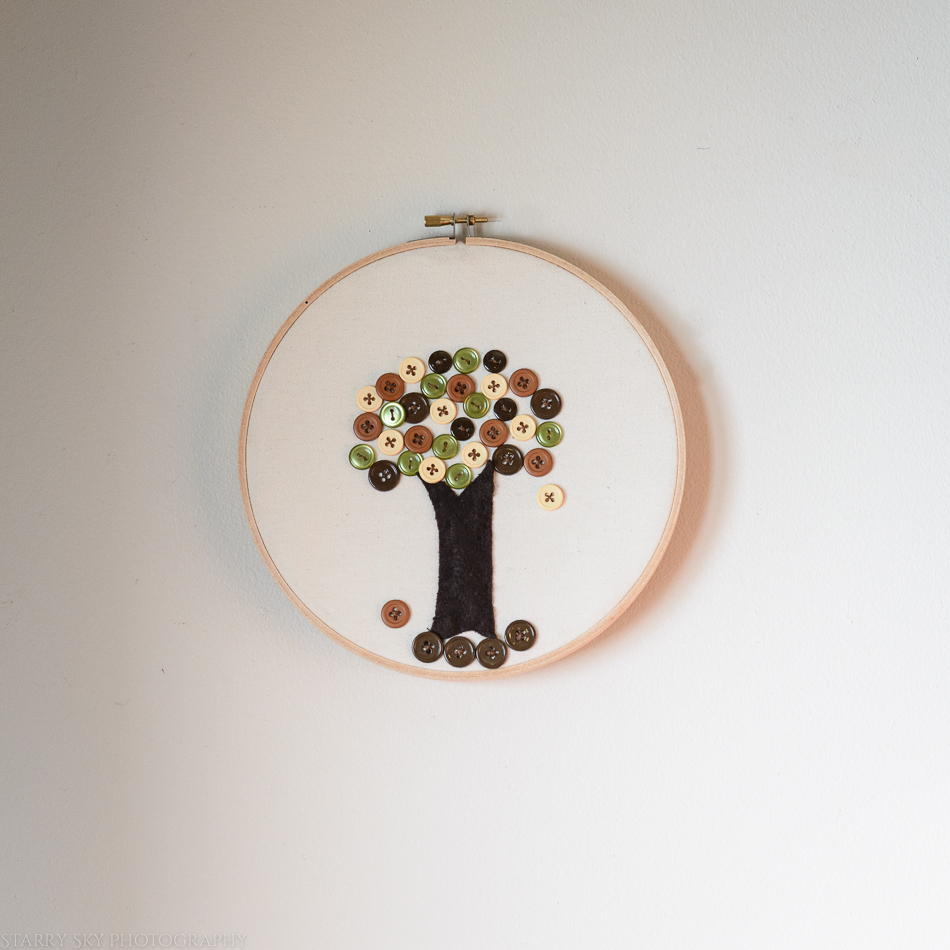
All finished. Our October project with the neighbor girl was button trees. They basted the felt trunk onto the cotton backing and then sewed the buttons on in criss-cross fashion.  The backs are not beautiful. They did not knot and restart each button because the stitching was doable and knots and rethreading was…not.  But hey, for 6, 7, and 8 year olds I was impressed. 

IMG_5802

To finish we (the me part of we) trimmed and glued the fabric to the inner hoop. This is the same technique you use for framing patterned fabric or tea towels etc. with embroidery hoops. 

IMG_5803

Oct 2015 sew web (1 of 1)


Flag Work – DIY

Oct 2015 flags web (1 of 4)

Can we make the flag game?

Can we make the flag game? 

Hey Mom?  Can we make the flag game today?

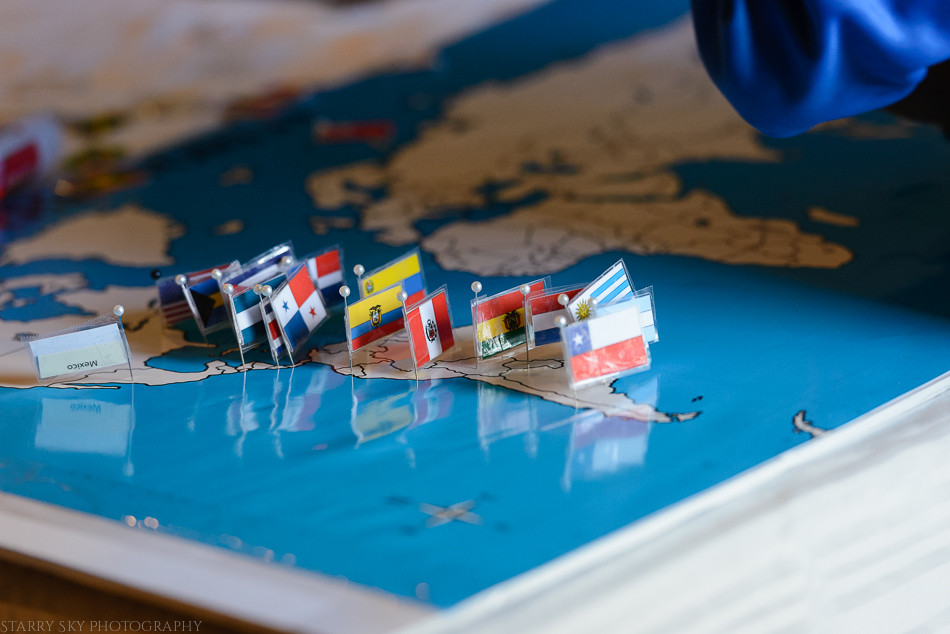
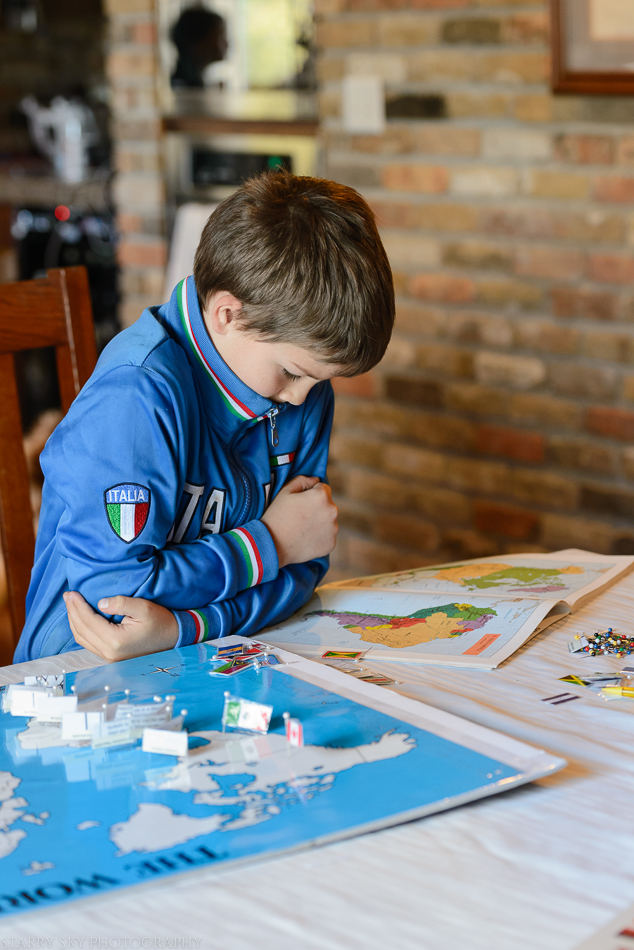
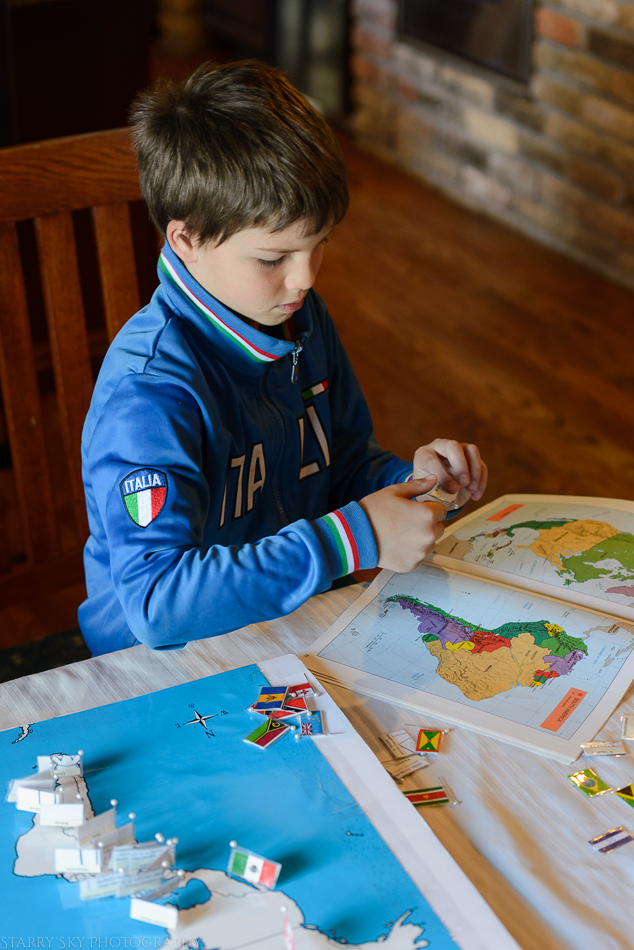
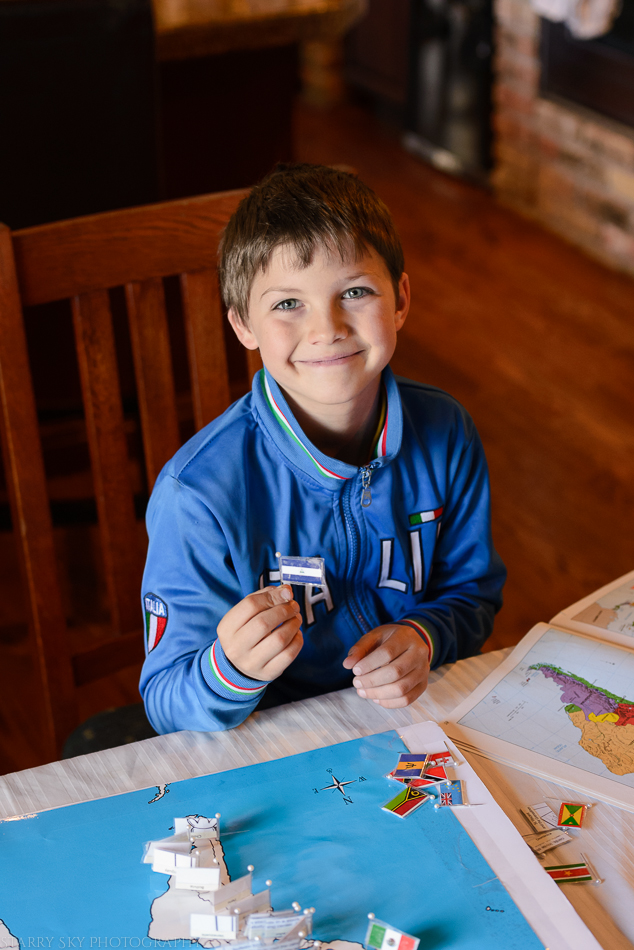
Third time's the charm.  We made the flag game today, a very not professional DIY Montessori flag work board set. It consists of a blank map poster glued onto foam board, a poster of world flags (to cut), a box of long pearl head straight pins, and packing tape. 

It made for a long work period spent pouring over the atlas and trying to match everything up. I expect we will see quite a lot of it in the days to come. 

Oct 2015 flags web (2 of 4)

Oct 2015 flags web (3 of 4)

Oct 2015 flags web (1 of 1)

Mermaids

September was chock full which is why I am here on the last day catching up.  One of the highlights was the girls' neighbor friend's birthday party.   We mostly do family parties at home so it was a real treat for them to go to an "official" party with friends.  They began to plan as soon as they got the invitation in hand.  That invitation was carried around and read and reread daily. 

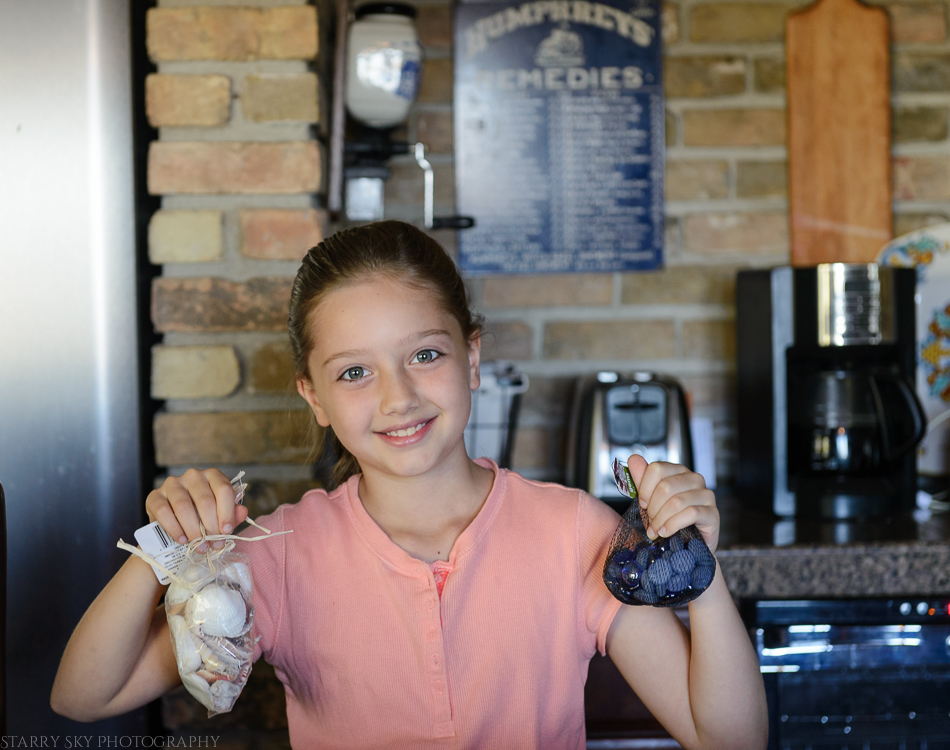
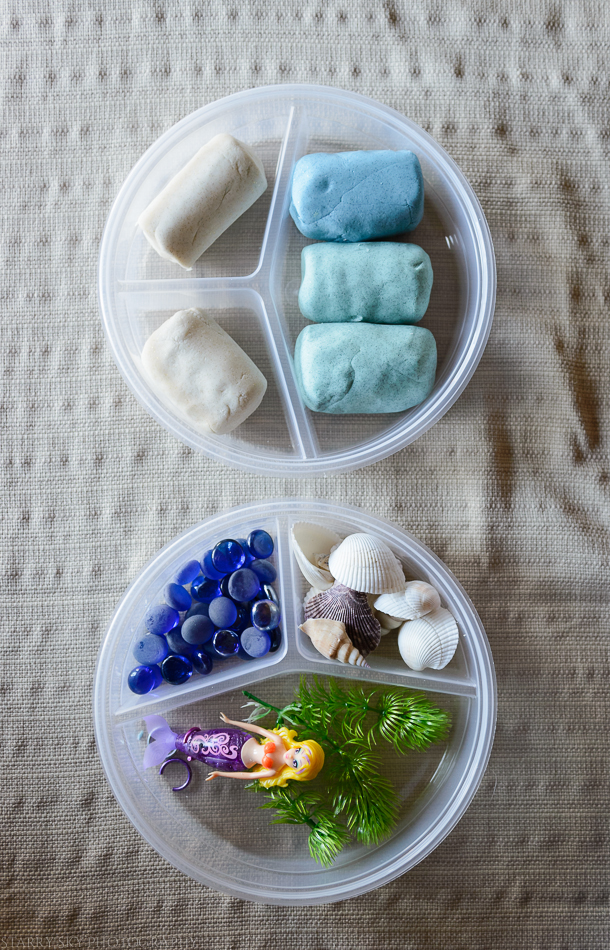
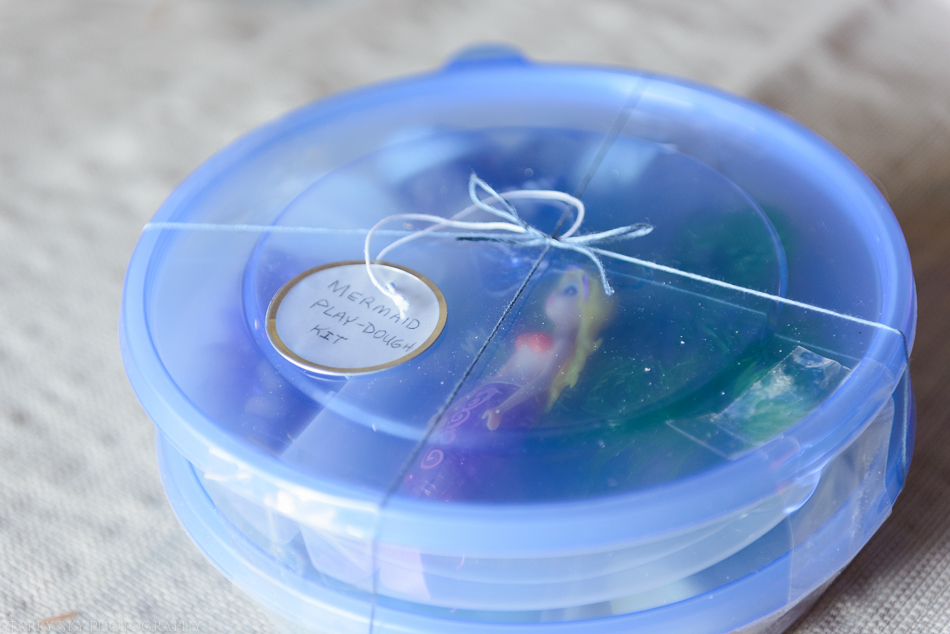
When we learned it was to be a mermaid party I knew exactly what we would bring. I have gone a little Pinterest crazy since returning the US.  We saw this DIY mermaid play dough gift set months ago but things like "one small battery operated mermaid" or "aquarium fern" would completely sideline the project living overseas.  Here, however, a stop into the Dollar Store netted most of what we needed. 

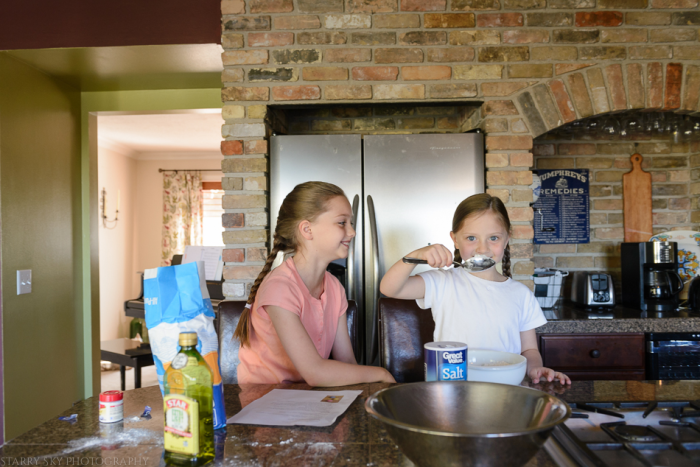
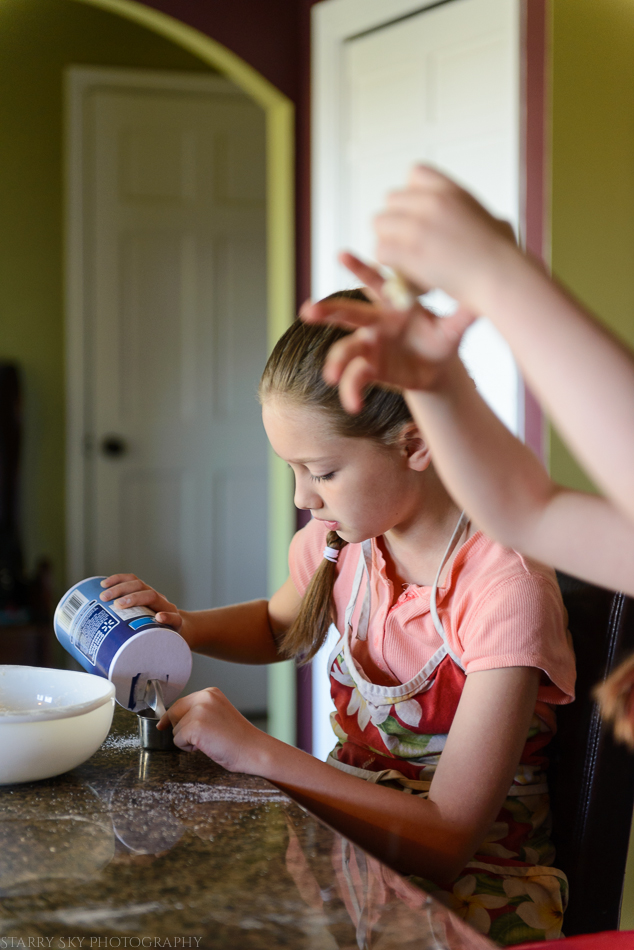
The girls made no-bake play dough together.  It worked. 

Sept 2015 mermaids web (1 of 6)

Sept 2015 mermaids web (3 of 6)

Sept 2015 mermaids web (4 of 6)

Then we assembled the kit. 

Sept 2015 mermaids web (2 of 6)

Sept 2015 mermaids web (5 of 6)

Sept 2015 mermaids web (6 of 6)

And….

FullSizeRender-45

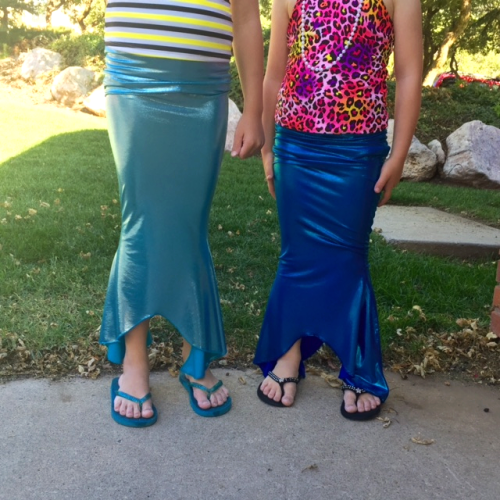
Got their mermaid tails on.  : ) 

If you were wondering if September was warm enough for a pool party in Utah the answer is oh yes.  I am sure we will be done with winter long before it is actually over but summer has definitely hung on a loooong time. 

If you are wondering if my life is magically blessed with oodles of spare time to DIY the answer is definitely not.  It may have been smarter to purchase a gift and take one thing off our plates.  It is important to me to teach the children that – when possible – it is a beautiful thing to put a little of yourself into a gift, no matter how imperfect and humble they turn out. It is NOT actually always possible to do this.  Since we had a window of time one morning though, it was worth the effort. 

fixing leaks – food waste

This summer is about taking inventory, something of a State of the Union. I am taking a hard look at where my time and money and emotion is being spent and fixing any little (or big) leaks that I am finding. As Ann Voskamp famously quips - 

A pail with a pinhole loses as much as the pail pushed right over. 

As we have been cleaning the refrigerator weekly it has became clear we are losing too much food due to poor planning and poor execution.  Time to tighten up the ship and be more intentional in what we buy and seeing it through to being used. 

Some efforts to that end:

make a menu

shop from a list

prep food soon after shopping (wash/chop/store)

store it so you can see it

use leftovers creatively

This last part is essentially what is composing our breakfast and lunch menu.  Leftover fruit, vegs and meat are finding their way into smoothies, soups, frittatas, wraps, omelettes, stir fries.  If it is likely to be used within the next day or so it goes into a small storage container.  If not, it gets frozen. (the last serving of smoothies and soup are easily poured into extra ice cube trays) 

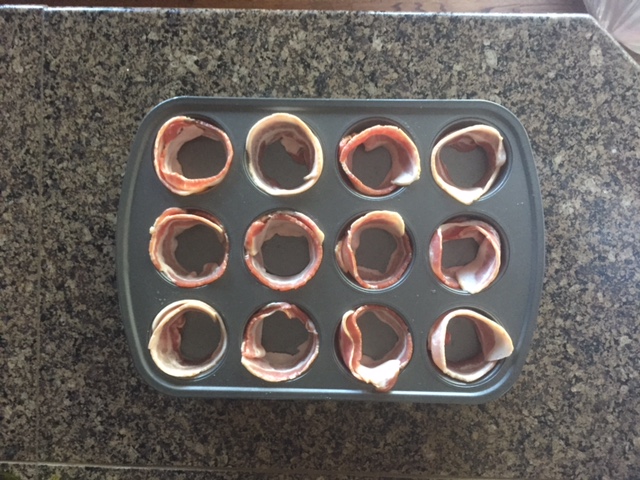
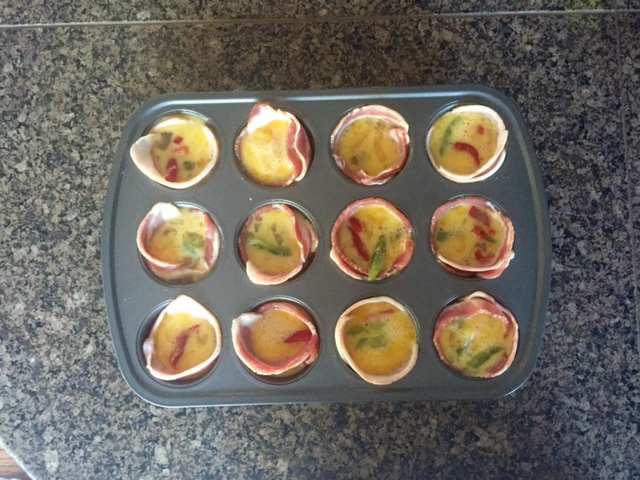
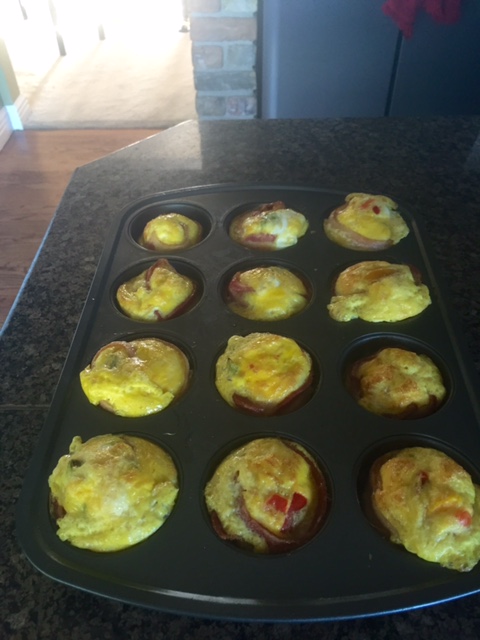
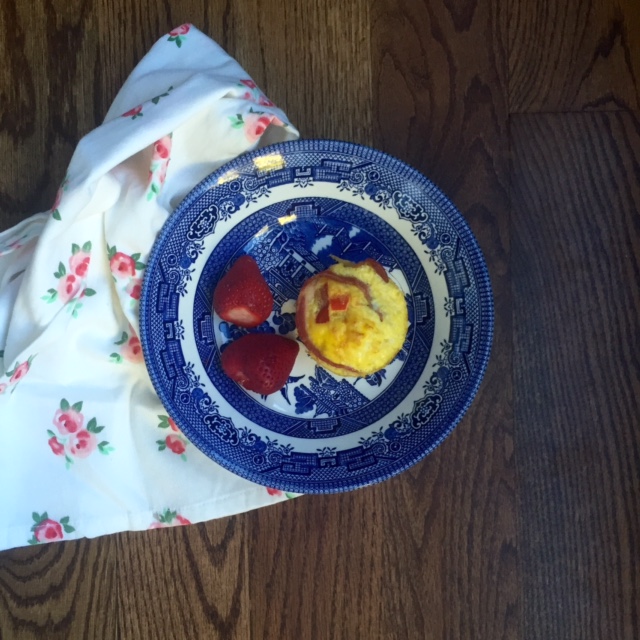
Todays breakfast took five minutes to prep.  Line muffin tins with one slice bacon each. Pour in beaten eggs – average one per muffin cup.  Add leftover sauteed vegs. Bake 20min in oven. Mine was set to convection. Your time may vary.  We have done this minus the bacon and used leftover ground meat or sausage. (pardon the iphone pics pleaseandthankyou) 

IMG_4566

FullSizeRender-31

FullSizeRender-30

Anyway, maybe it's just me.  It seems as we get busy we get little leaks in the budget like this.  We move faster and there is more expense and more waste.  For a season you can compensate but it's not a good long term default.  

FullSizeRender-29

Story Stretchers – Joseph Had a Little Overcoat

Years ago when our adult sons were small we had a couple volumes called Story Stretchers. (here and here – they are a PENNY today. Still find that stunning.  I saved so long to buy books pre-amazon days)  Like the outstanding Five in a Row volumes that would come later they took a children's book and created activities based on the story's location or language or illustrations.  We haven't done full-out units in a while but I always find some element in a story we can build on a little. Once you work through Five in a Row you just start to see all sorts of potential rabbit trails inside a book. 

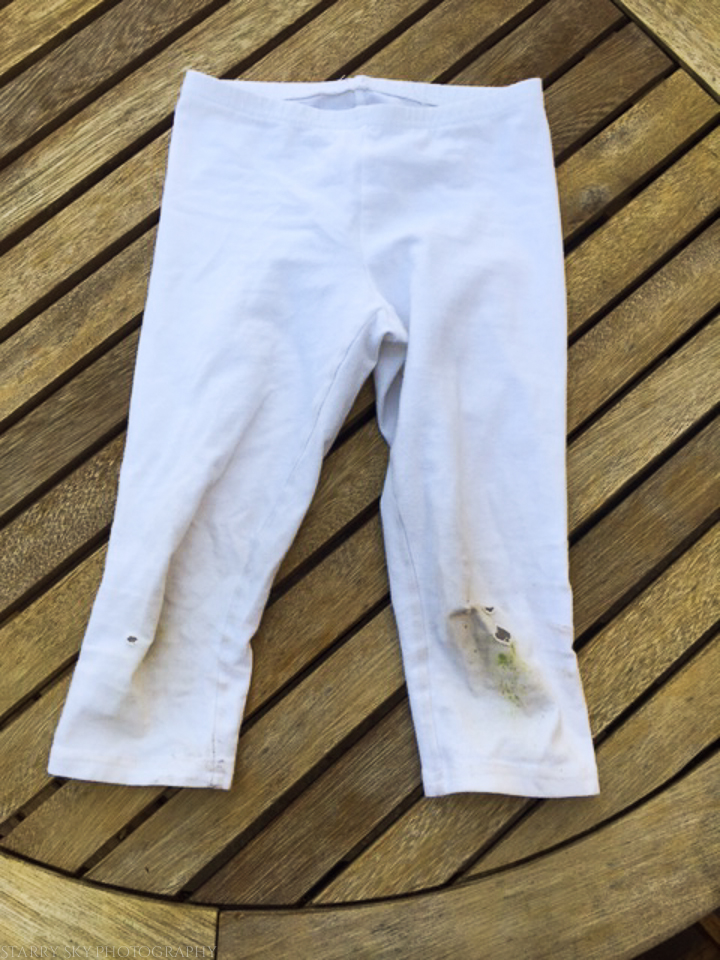
We read Joseph Had a Little Overcoat last week.  I love this book and like the best picture books there is so much happening in the illustrations that goes over children's heads but is totally engrossing for the grown-up reading.  Shortly after we got the book the little girls ran through the knees of a couple pair of leggings.  This is a rather regular event.  Tough girls, we have.  Before we tossed them we talked about Joseph and looked to see if there was potentially some more life in them.  

Cotton knit headbands are a favorite of Tess and Alannah right now since they don't pinch behind the ears and can hold back heavy hair.  (and don't crack in half when small people overextend them…) When I looked at them they were seriously just a tube of t-shirting.  For a dollar or two a piece?  So before tossing the trashed leggings we cut a tube off across the tops between the waistband and legs.  Quick work to turn right sides together and sew a seam, leaving a bit for turning.  You don't really even have to bother with a seam if you fold the band when you put it on or cut it into a strip and tie it instead.  

Not the world's most glamorous tute.  Just a little practical 'stretcher.'   

May 2015 headbands web (1 of 1)

 these came from pants like these…

May 2015 headbands web (1 of 1)-2

Now if someone can point me to some girl proof leggings I'd be a happy woman. : ) 

Weekend photography tips: how to shoot in manual

If you have a dslr camera and are shooting in auto this one is for you.  Listen to one woman's first steps to moving towards manual settings here.  Then pop over here to learn about that 'little line thingie' which is your light meter.   An explanation like this one was also the first thing that really clicked (no pun intended lol) for me when trying to get out the gate with manual exposure.  

Getting that little line centered won't guarantee you capture the image you envision creatively.  You need to really understand aperture and shutter speed for that.  But it will help you get a technically correct exposure from which you can begin to experiment. It is that all-important first concept upon which everything else rests.  Start with that little line thingie. <g> 


more links:

Camera Simulator app

Understanding Exposure

Beyond Snapshots

Weekend Photography Tips – lens focal lengths

People often wonder which lens to buy.   There is no quick nor easy answer to that.  It's like asking which car you ought to buy.  It depends – on your needs, your budget, your skills, your style.  Before you buy anything however, it is important to know the difference – in practical terms –  between 35mm and 200mm on a camera lens. A chart like this one is an excellent visual.   More here:

Focal Length comparison tool

DX lens focal length images

You will see right off that the small the focal length, the wider the angle and the more panoramic the view you capture.  Zooming in enlarges a focal point in the distance at the expense of the peripheral images. 

In general, if you are traveling or want to have the story telling capacity of a wide image (ie you wish you photograph groups or capture the entire room in your house) use a smaller focal length such as 15-50mm.  

Even at 50mm it is maddeningly impossible to photograph an entire building if you are on the same block.  I brought a 55-200 lens to Paris two years ago.  Big mistake.  We walked 3 blocks from the Eiffel Tower and I still couldn't get the whole thing in the screen.  My husband's cell phone managed just fine. : p  Live and learn.

Portraits are better done at 50-200mm. It flattens out the features nicely and avoids the lens distortion common to close-in shots with a wide angle lens.  


Weekend Photography Tips – starting with what you’ve got

Increasingly, the letters and comments coming in here ask about photography.  What gear do you recommend?  What books should I read?  How do you….?   If you frequent the blogosphere you have probably run across some stunning images on many inspiring sites.  You may have dreamed over capturing your home and family in similarly breathtaking vignettes.  So you start surfing, start experimenting, and often hit a wall.  

I am a linker more than a writer and I don't like to reinvent the wheel. So if I can point someone to available info I do.  But I noticed that most of the tutorials out there focused on manual photography and presumed a lot more background knowledge than most people just opening the box on their camera possess. There are workshops available, but those often run several hundred dollars and fill up quickly.  And those workshops also require a dslr camera, often with a prime lens.

Many moms writing with questions don't have fancy cameras nor the time nor money to learn to use one. Most people are pointing and shooting.  And that is ok!  There is good news and bad news for wanna-be momtographers.  Let's get the bad news over with first. 

The pro-mom-tographers online are by and large shooting with some pretty amazing gear.  Most pro photogra-bloggers have fullframe digital cameras, the two most popular being the Canon 5d mark II and less often, the Nikon d700.  Some, like Pioneer Women step it up even further with the likes of a Nikon D3X.  Some of the most popular lenses used by photographers I know are the Canon 50mm 1.2 and the Nikon 70-200, just for general reference.  Are the dollar signs adding up? they have been for me over the past several years.  But wait.  That's not all. 

Most of those images are edited with software like Photoshop CS5 and Lightroom 3.  (That changes annually.  The photography community is abuzz with discussion of the new Lightroom 4 upgrade.) Often those images are also processed with photographic actions and textures which can run $30-130 per set.  In order to ensure everyone is seeing the same colors the camera/monitor/printers are calibrated using software running a couple hundred more. Those gorgeous photography flash blog templates run $100-300+.  Someone needs to install and personalize them.  The list goes on.

There is an old saying that it's not the camera, it's the photographer.  This is true.  And false.  A master photographer can totally rock out a point and shoot shot, largely because he/she knows the principles of exposure and can use light, angles, and the compact camera's tools to their highest potential.  However, there is no getting around the fact that good glass (and all the rest) does make a difference.  Pro's aren't investing $1200+ per lens for kicks. The technology is improving all the time and today's equipment can produce images only dreamed of years ago. So, assuming you know how to use it, yes, better gear can mean better images.

Does that mean you need to break the bank to capture beautiful pictures of your life?  Nuh uh.  

A periodical I read as a young woman used to run a column called What is in Your Hand?  It challenged us to look creatively at what God had already blessed us with.  Are we using all our current resources to their fullest potential?  Do we know our gear inside out?  Are we tapping into all the tools available on free or near-free online editors? Very often a friend will complain about her pictures and a quick look reveals a simple fix. 

Advanced imaging gear may or may not be in your future but you can probably be taking better pictures with whatever you have right now.  Case in point, my son's friend who sold black and white images taken on a disposable camera. 

So first things first.  Get out the manual your camera came with. You don't even need to read it all right now. Start with a few basics.  Check your file size and quality.  Are you set to Large for size and Fine for quality?  Start there.  Anything else is not going to look great when you print.   We had a string of bad pictures from the point and shoot on trip once and realized it had been set to email attachment image size. 

If you have ever played around with settings, or have children who may have,  be sure you know how to return to the camera's factory default settings.  Again we had an instance when I first started to learn manual photography where I went a long stretch with underexposed images.  After much desperate surfing I realized that I had hit the exposure compensation button and it never resets by itself. I hadn't yet memorized the icons on my LED screen and had no idea it was even on anymore.   My manual told me how to reset the camera and we were in business again.  So go ahead and experiment!  But know how to start fresh again. 

More to follow.  Come visit next weekend. : )