My friend Barb shared this article with me this week which asks us to consider whether we are intolerant to certain foods or if we are preparing them incorrectly. The author explains how modern food preparation fails to neutralize naturally occurring toxins. His position is similar to Sally Fallon's, which originated from Weston Price. His bottom line? Slow food is best. Soaking and fermenting help make food more digestible and remove mineral-blocking phytates. Raw is not always better. (this is also a position taken by macrobiotics) And finally, the current trend to eliminate more and more food groups may not be the wisest solution to all ills – an assertion also made by Adelle Davis some decades ago.
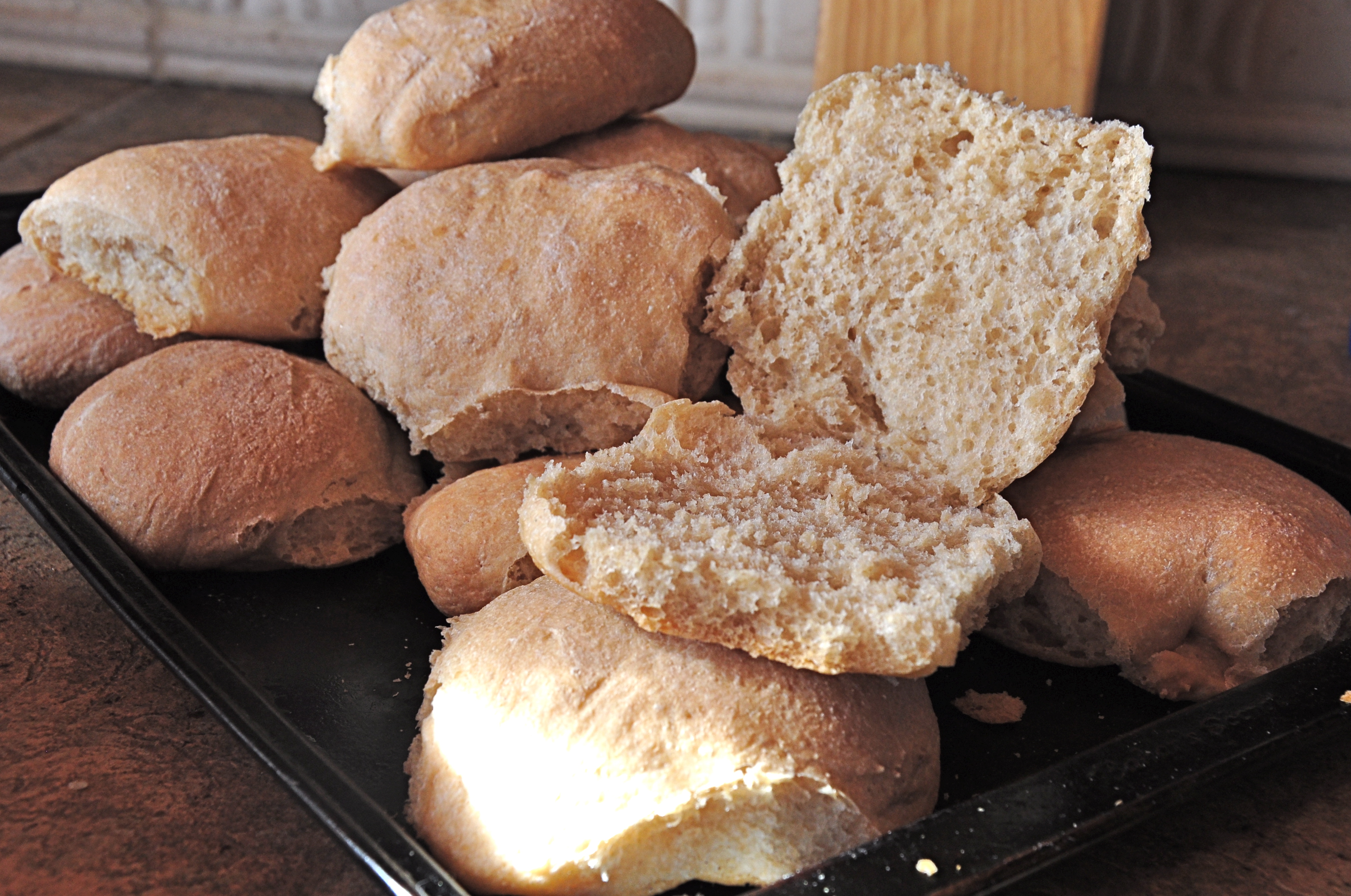
He shares this recipe for slow rise bread. We tried this the other day with good results even at our altitude. It produces a light, French bread type loaf with a nice crust. You can adapt any bread recipe by using a bit less yeast and letting the dough sit overnight before baking.
The discussion that follows his article is quite interesting. There is no simplistic solution to the myriad health problems people face today. No doubt food prep is only one contributing factor. Pollution, genetics, vaccinations, soil depletion, food additives and stress all play their parts. Still, it is one of the factors over which we have a good deal of control so it is worth considering what we can do in this area. It is also good to examine the origins of some of our assumptions about what makes food nourishing.
 Starry Sky Journal
Interesting that you would have this post today…I have been looking at bread sites as my old sourdough starter recently died and I am beginning a new batch. I don’t care for most yeast breads, and with the exception of pricey artisan loaves, bread in this country is pretty abysmal (I grew up in Munich!).
I think that there are many things about food we don’t know, and it is worth the investigation. For instance, I was lactose intolerant (not with fermented dairy or cheese mind you), and then we got a cow and I can drink all the raw milk I want with no distress. Same goes for my sister.
Thanks for the interesting post.
Oh how lovely the bread looks!
Thanks for the link. I just discovered nourished traditions and tried my first store-bought sprouted/fermented bread. My husband and I both agreed that it tasted better than normal bread! Now I’m going to use this recipe to try making some of my own!
It’s so funny that you post about this today because I am quietly going about changing things in the way we eat around here. Mostly because my almost eight year old has been asking a lot of questions as to why we eat certain foods (sugar stuff) when it’s not good for us. And, my husband is hypoglycemic (sp?) and my mother is diabetic. Bread, for starters, is where I want to make some changes. Whole wheat isn’t always received well, and I do my own baking when I can. Thanks so much for this. I can’t wait to try it!
Timely for us here, too. I recently found that I have a sensitivity to wheat (Agh! The horrors! Life without bread??) ~ but now I’m wondering if the preparation could make a difference…. Definitely will explore this. Thanks, Kim!
Kim,
I made the bread and though I am very sensitive to yeast, I had no reaction! Yummy, too.
Also, I nominated you for an award for being a “Kreativ” blogger.
God bless!