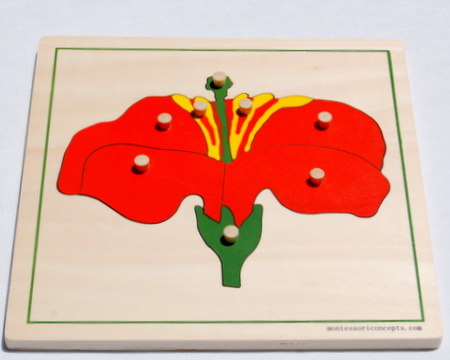
Wonderful offer to Starry Sky readers from Montessori Concepts!

I received a note today from Johann at Montessori Concepts offering readers of our blog three FREE Montessori animal or botany puzzles.  All you pay is the shipping ($12)  That is a value of $21 for a fantastic resource.  To take advantage of this offer you just need to type in the coupon code SKYHOLIDAY (you know, like Starry SKY)

You can see the lovely wooden puzzles here.   While you are there you might want to look around.  You will find that Montessori Concepts has about the lowest prices around on traditional Montessori materials. Not to be missed. : )  

Thank you so much, Johann, for making this generous offer available to us!  

5003

You get what you inspect…

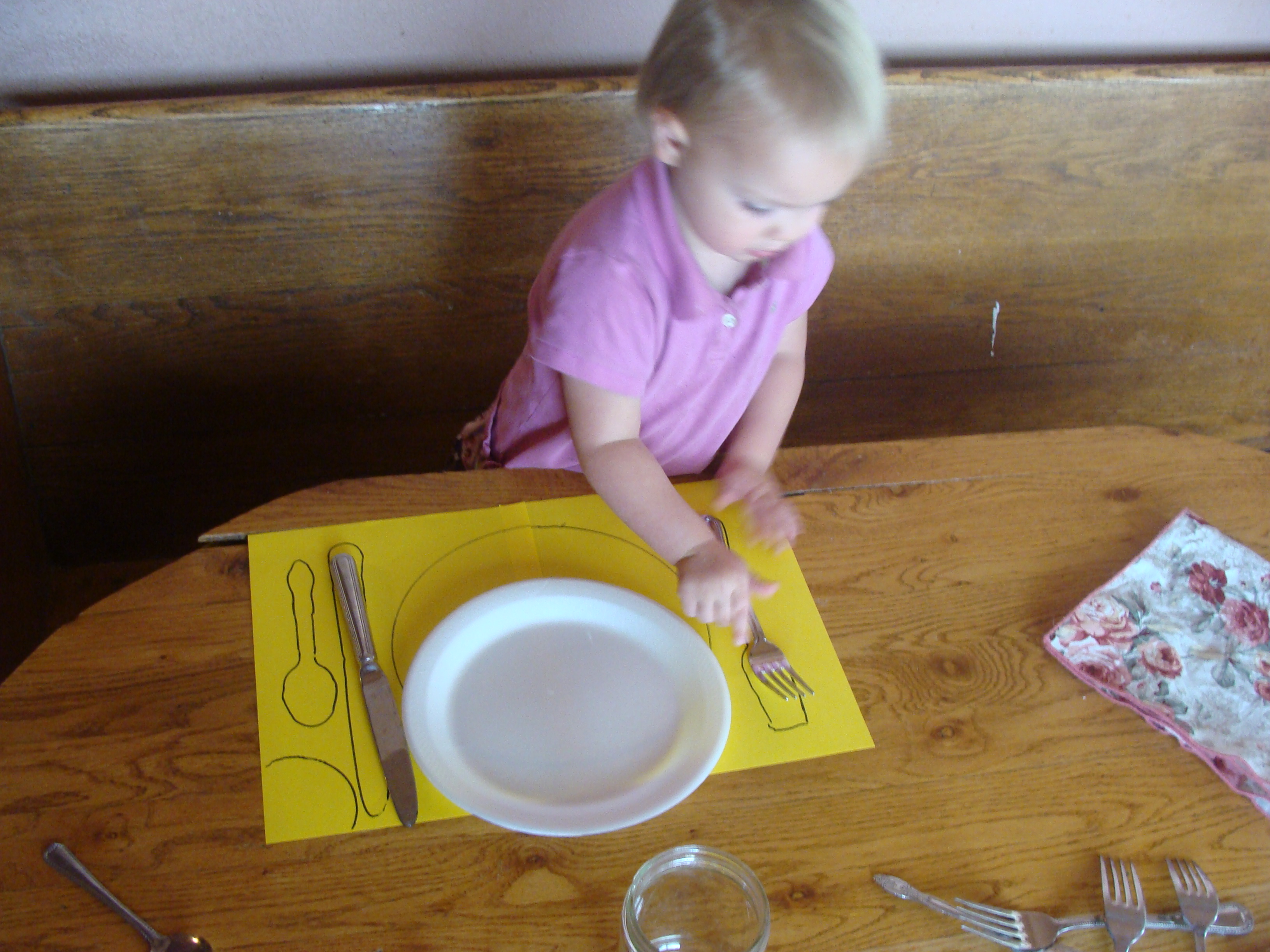
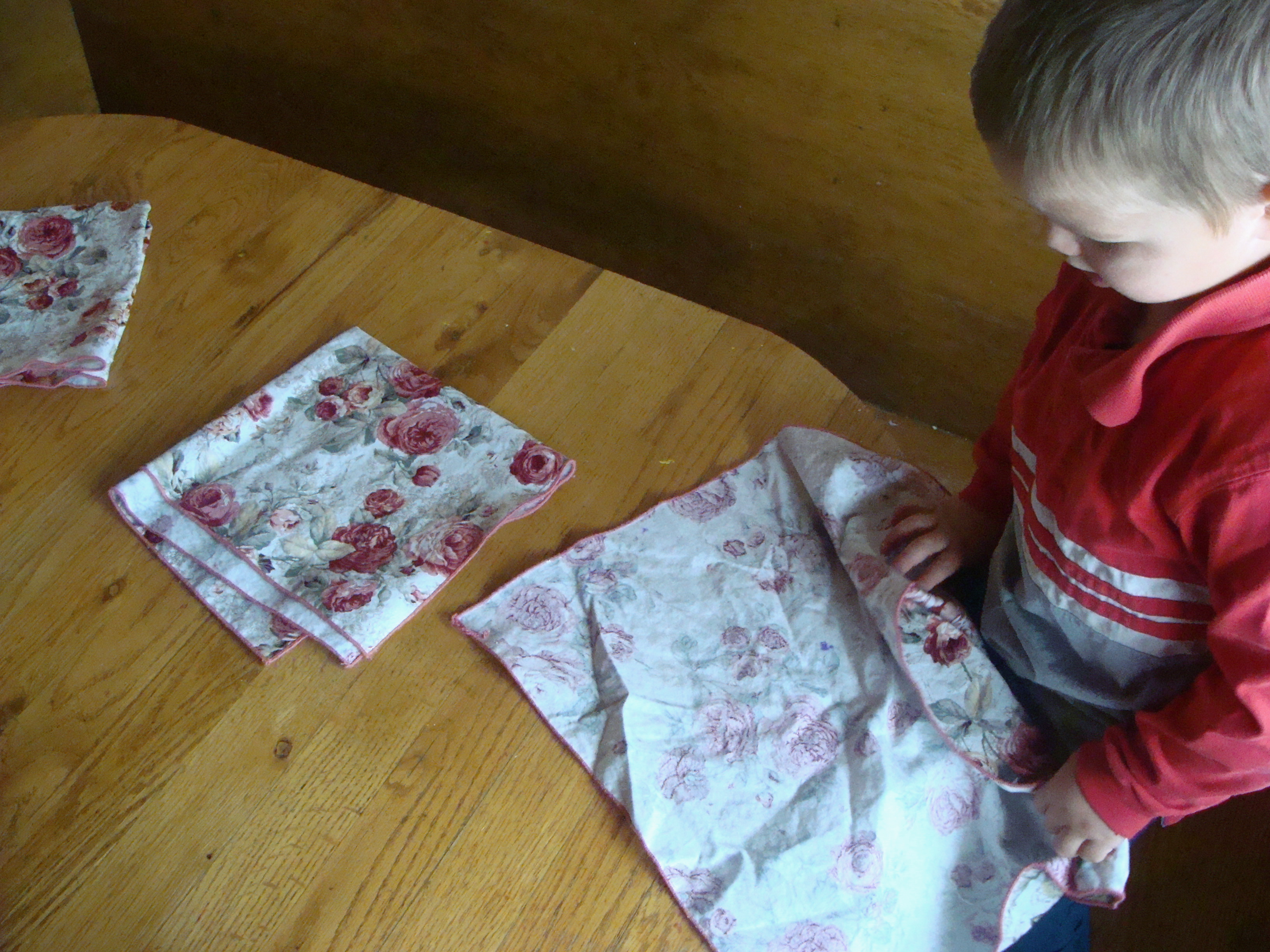
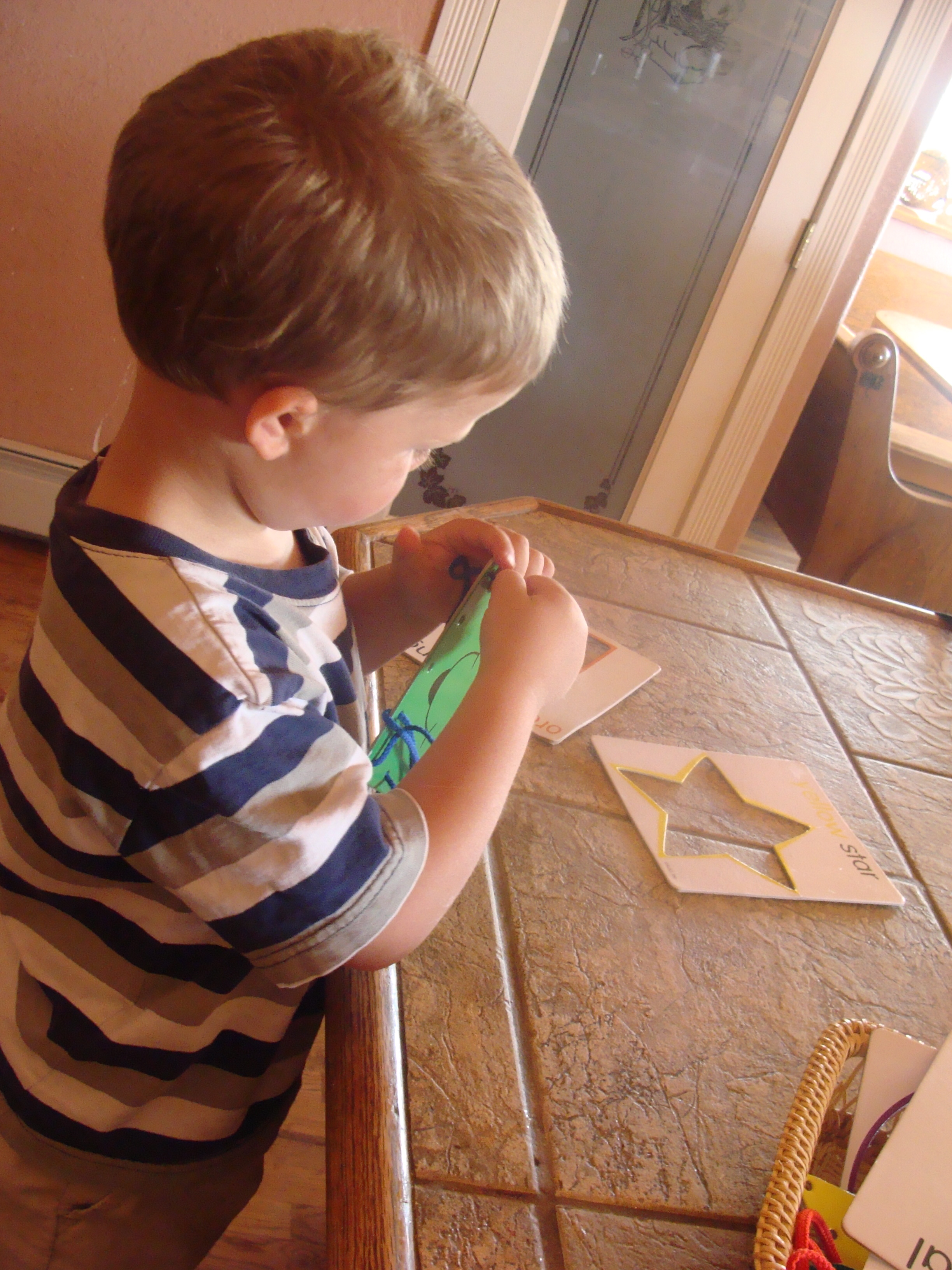
Melanie had written for some ideas to get littles off to a good start being tidy and responsible for their materials. I will start by saying this is an ongoing effort at our home as anyone who has visited can attest. Further, if I back off of my diligence IN THE LEAST, we are easily sent back to square one.  So please don't look at the pictures of the little ones working nicely and assume they just 'do' this of their own volition each and every time.  This is really a situation where you must control the environment. 

My best advice is very NOT Montessori.  We are in homes, not schools, and have to be realistic about our level of control.  We are not directresses who can set up a lab environment and devote our days to nothing but monitoring said environment.  And really, do we want to be that?  Likely not.  Real life is far richer. It does require some adjusting of ideology however so you don't come to despise the method for the trouble it is causing you. 

In a classroom all materials would be displayed in open shelving for the children to choose from freely. The problem you run into at home is that many homes have far greater age ranges doing the choosing than would happen in a classroom. That means the likelihood of children choosing materials they cannot manage well on their own. It also means that they may access the materials when you are not available to supervise sufficiently, thus developing bad habits.  

To prevent this I would opt for lockable cabinets or a lock on the schoolroom/activity storage area. Do not let them at the materials unattended. You will spend far too much time reteaching and restocking. In smaller homes we have used lockable garage cabinets. We have even kept these outside or in the garage when necessary.  One thing in, one thing out was the policy. It worked well. We have a lock on the school/craft room door in this house.  I can tell you honestly if it isn't locked or if a babysitter gets lax and lets them in there we DO have a mess. We have had messes of monumental proportions in fact. So it's important not to let that happen. 

If they only have the opportunity to do the right thing, then the right thing is what is reenforced. 

This applies to meal times (ie don't let them access food unless you are prepared to follow through with proper cleanup routines) and bedrooms (do they have a system for easy clothing storage which you monitor?) and so on.  If not, think hard about culling to the pt where you can be on top of those routines happening reliably.  Slowly, and only if you really think it will improve life in some way, add back more items. 

Less is more.  

So once you have pared down and gotten a handle on the stuff make a few trays or bags of activities. Take out a mat or rug and tell the child you have a game to show him/her. They may grab at it but ask them to watch and wait a moment while you demonstrate unrolling the rug, laying out the materials, and using them.  Then replace them all in the proper spots.  Ask them to tell you where the materials go.  Walk them through the process.  Then let them at it.  When they lose interest gently guide them through the motions of putting things back. They may balk at first.  Remain cheerful but insist they go back. Remember that the process is really more important than the activity itself as far as instilling good habits go.  It doesn't take long for the habit to be set.  It doesn't take long for it to be undone either so don't gather more supplies than you can easily be responsible for.  

You get what you inspect. 

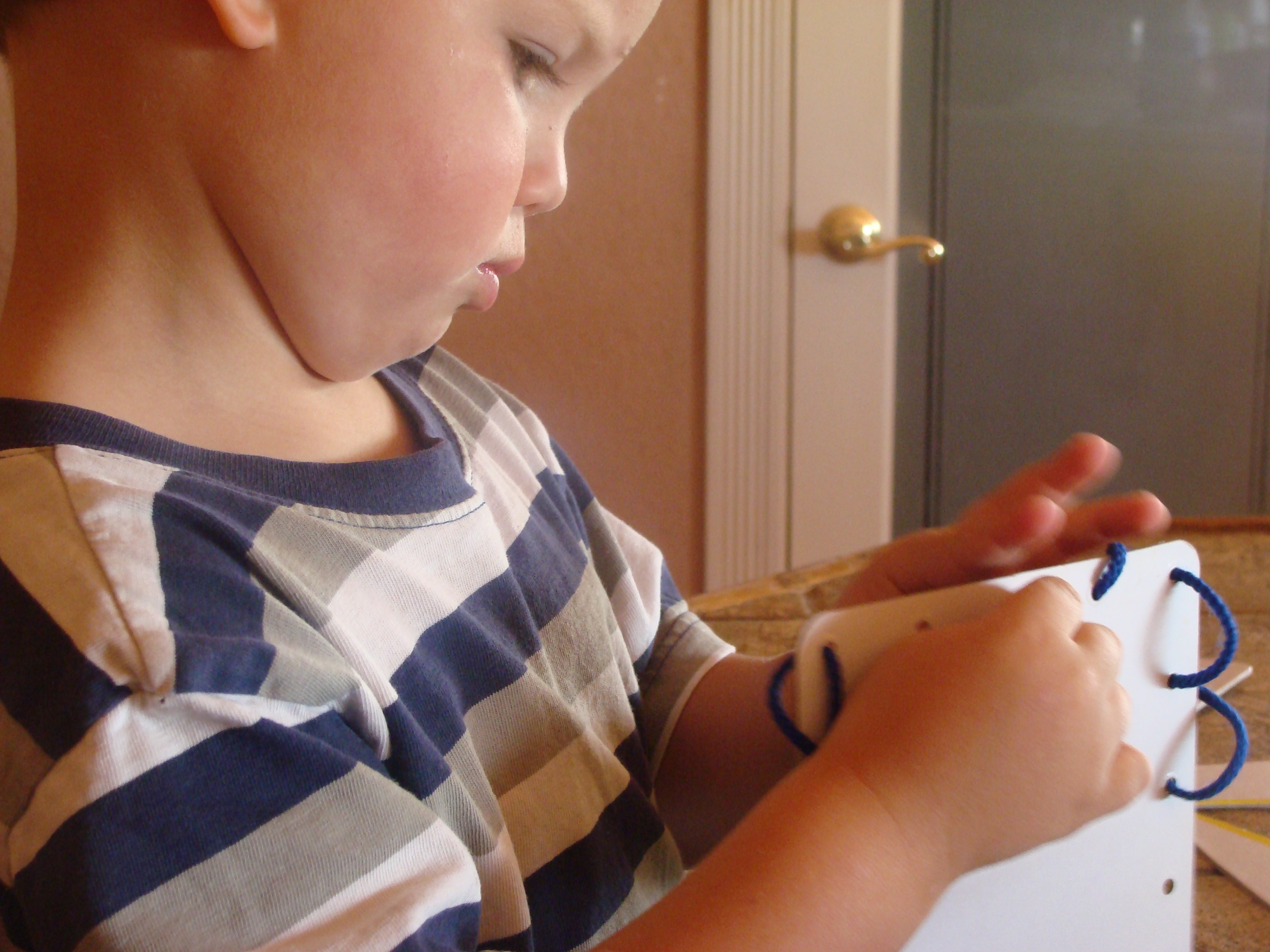
Some of the latest pics of little people projects here.  Very blurry – they were in constant motion : ) 

DSC01662
DSC01660

DSC01282
DSC01283

early November notebook pages

Thought we would share a few school projects from this month. (the scanner is merciless and shows every minute smudge etc so bear with us.  They look nicer in person)  

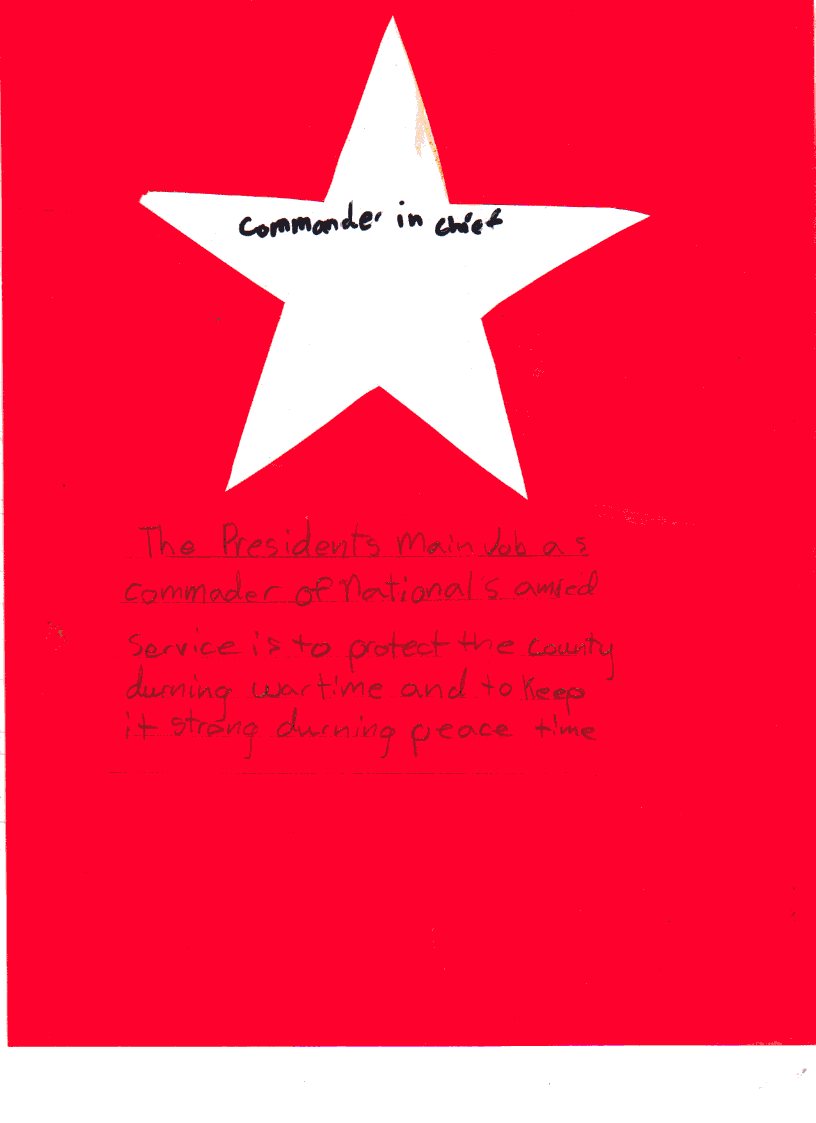
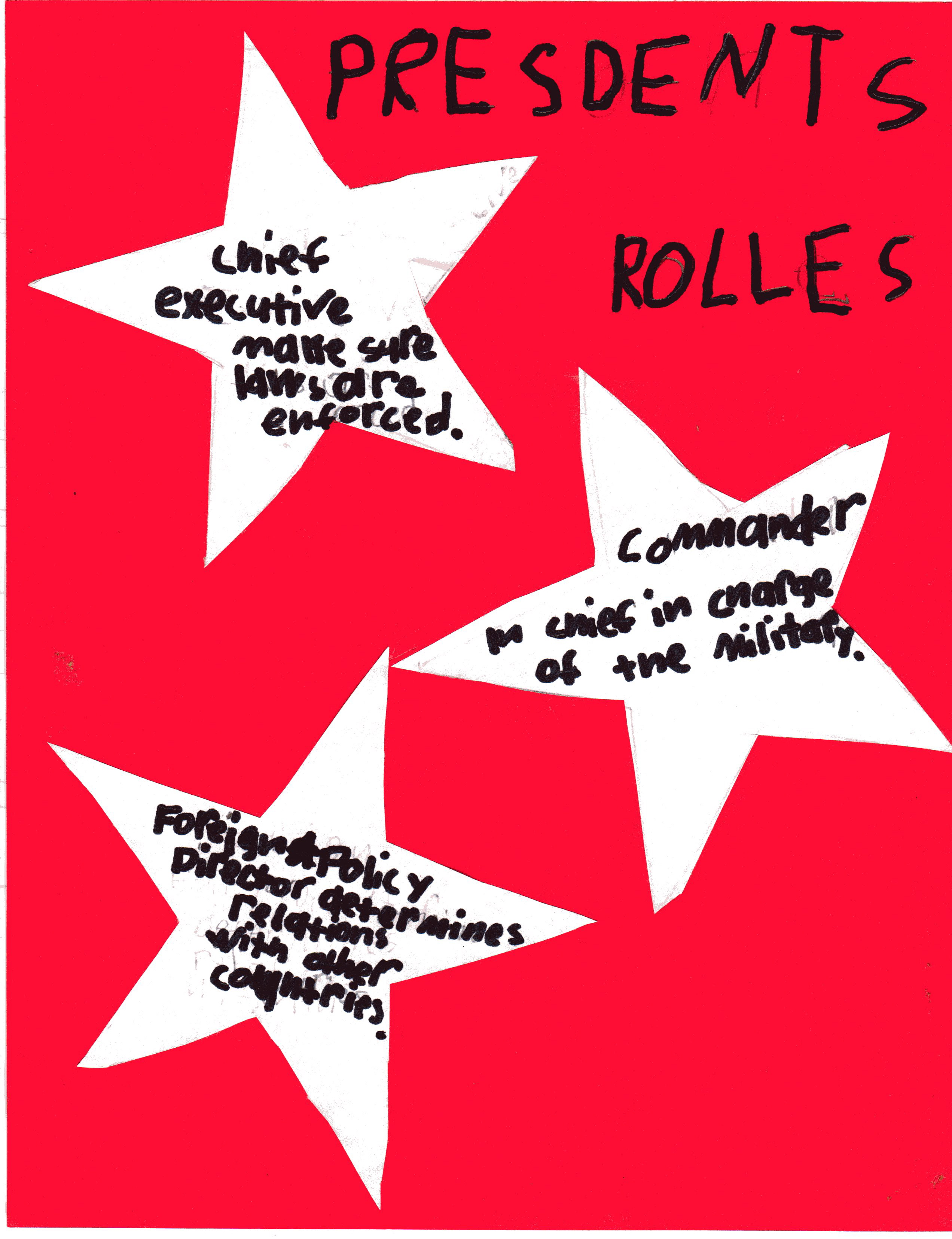
 We have continued our gov't. study. These pages cover the roles of the president. Moira made separate pages for each of the president's jobs (Chief Executive, Legislative Leader, Commander in Chief etc) while Aidan made two pages with a star shape for each role. Img080
Img070

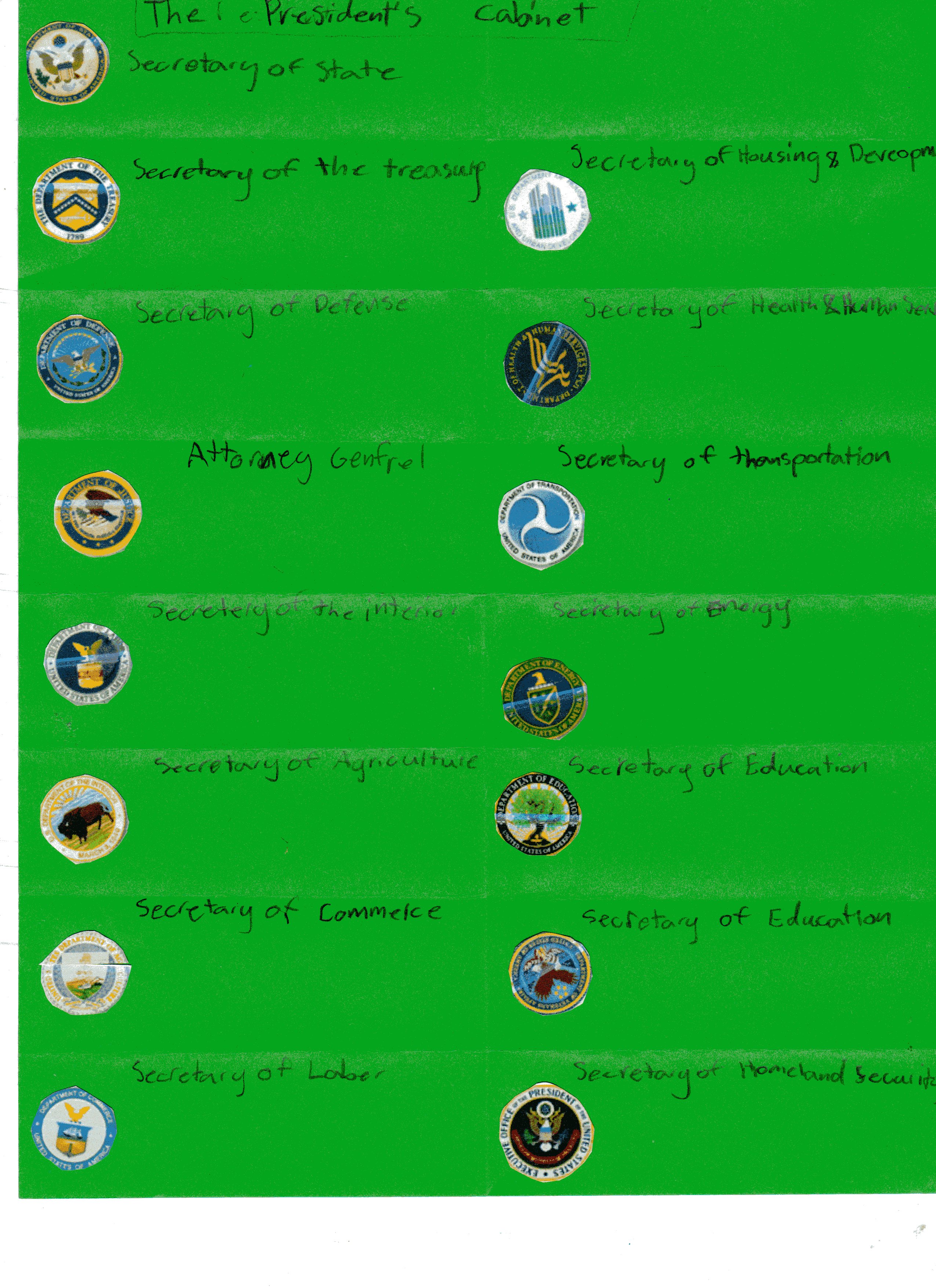
Next came the president's cabinet.  They studied the different folks who advise the president and made charts like these:
Img082
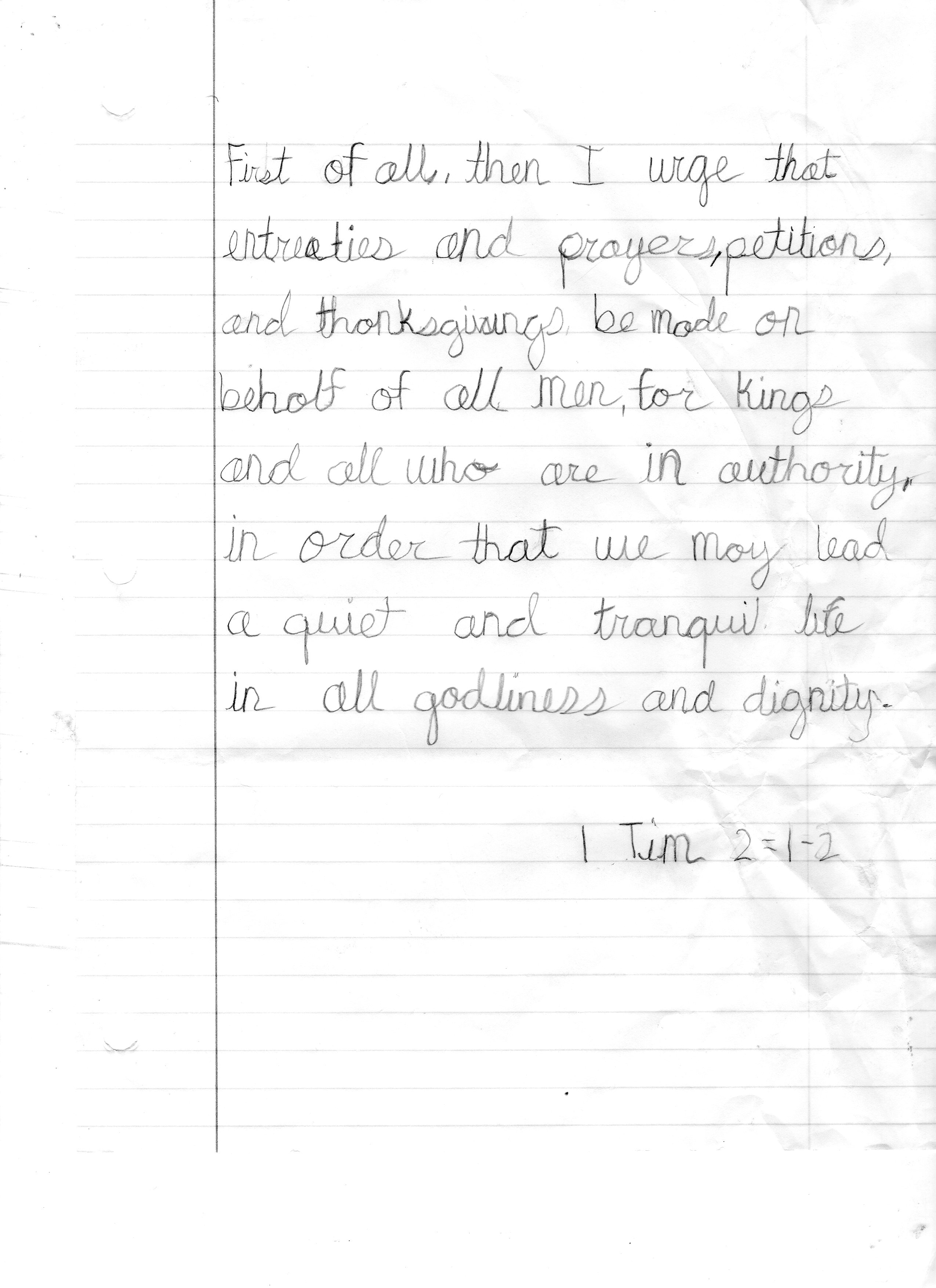
For copywork we have used the Presidential Oath and some bible verses about praying for our leaders. 

Img084
Img085
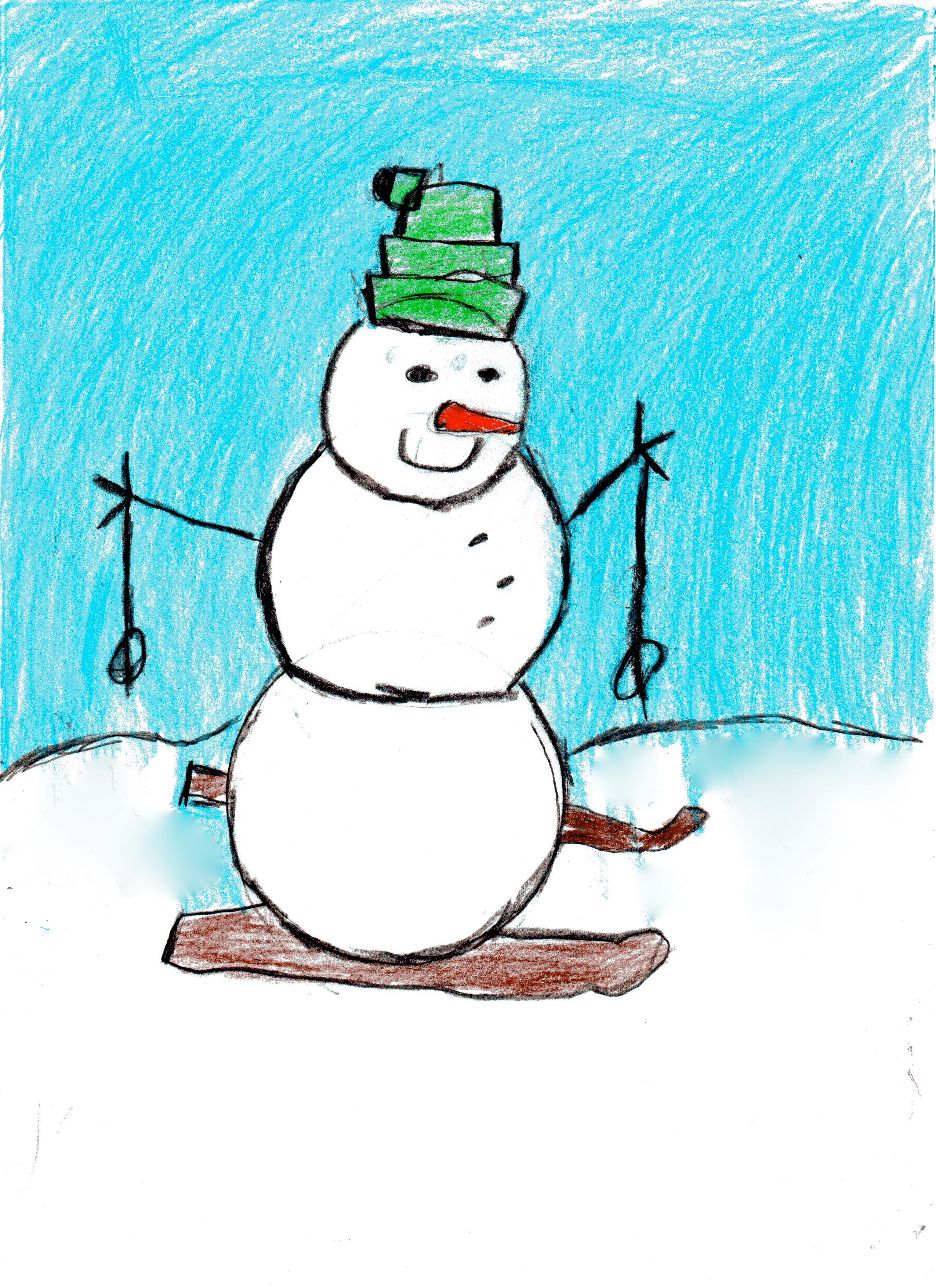
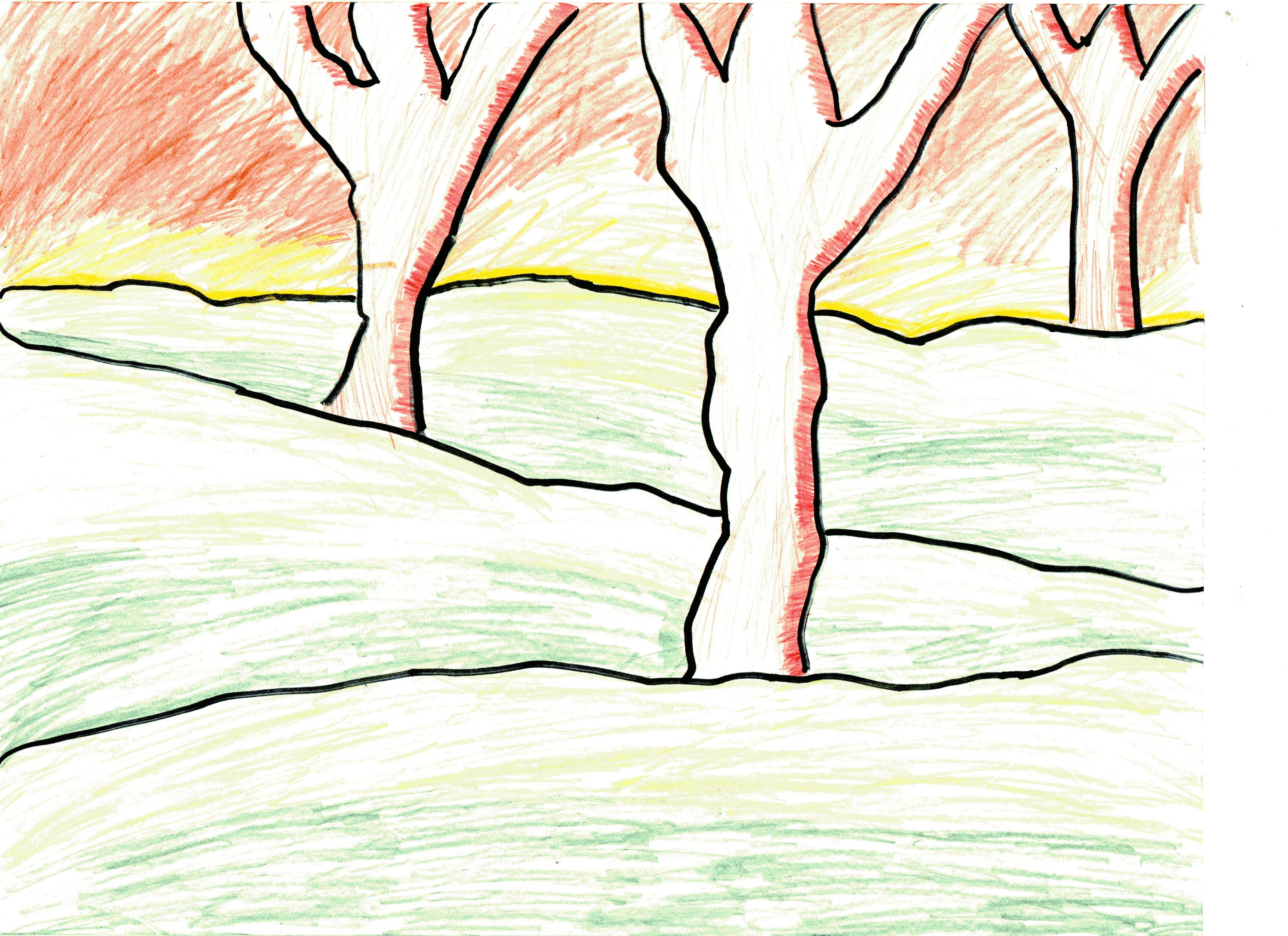
We have also REALLY enjoyed the Art Projects for Kids blog/site. The kids have followed some drawing lessons there that are set up similarly to the Draw Write Now program.  In Montessori style, they take the student step by step to recreate the illustration. It has been a big hit here.  

Img071

Forest

Friday Funschool – P

P is for Patterns and puzzles

ASL – P and puzzle

P template (can be painted this week or covered with peas or paper) and tracer pages  

Nursery Rhymes and Fairy Tales:

The Three Little Pigs print or etext
The Pied Piper – etext or print

Pussycat, Pussy Cat

Pussycat, pussycat where have you been?
I've been to London to visit the Queen
Pussycat, pussycat what did you there?
I frightened a little mouse under the chair. 

P is for Pronunciation – Natural Structure recommends Peter Piper's Perfect Pronunciation for silly tongue twister work.  Consider it painless speech exercises! 

Math 

Pattern work is a mainstay of the hands on preschool program. Once you begin to look for them you will find potential patterning everywhere you look.  You can purchase pattern blocks and books to go with. Mine have all enjoyed making patterns and pictures with the blocks and having a partner try to recreate them either side by side or after covering the blocks with a paper first. There are cards available and we have made good use of them. They keep kids busy for a long time. 

Unifix has a really nice set of pattern books and the cubes are a great investment for preschool math work since they are not limited to one type of activity.  

Building Thinking Skills – Primary has been part of our preschool for many years now. It DOES call for a LOT of manipulatives however. 

You need not purchase a thing however. Have you got beans? Paper clips? pennies?  You can paste these to strips of poster board and make your own pattern cards.  Children can copy these or you can repeat the pattern twice and allow ample space for the children to continue the pattern on their own.  We made some pattern sticks with black pipe cleaners and colored pony beads.  For the master sticks we bent and glued the beginning and end beads.  Then we made some empty sticks with one end bent and closed so the beads would not fall off as the child recreated the patterns.

Some patterns:
abababa
aabaabaab
aabbaabb
abcabcabc
abbcabbcabbc
aabaacaabaac

and so it goes. You can easily adjust the level of difficulty for many ages and stages. You can alternate colors, items, positions to make the patterns. 

More lesson plans here

P is for puzzles.  Of course!  What would early learning be without them?  We love Lauri puzzles. They also have some pattern work products.  Typically the first Montessori puzzles are 3 shapes.  Then there are those with one shape in various sizes. They work up to the botany and zoology puzzles.  I recently discovered some Waldorf puzzles which are so beautiful and incorporate patterns. (see left sidebar) Obviously these are to be introduced later.

Again, if money is a consideration there are options. Some simple homemade alternatives exist.  Cut the fronts off favorite cereal boxes, laminate and cut into as few or many pieces as your child can manage to reassemble correctly.   

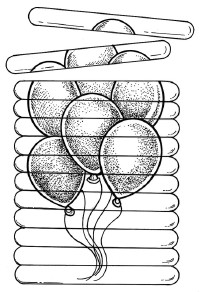
Brendan is loving popsicle stick puzzles. To make, tape 6 (or more) craft sticks together and draw a design with marker that spans all the sticks. The child then reassembles the sticks in the correct order to make the picture. Difficulty is adjusted with the complexity of the design. This is an all absorbing activity for us at the moment. 
Craft_stick_puzzles

Another good activity is recreating felt pictures.  We have been playing around with a pumpkin face game which we found here. You can use any picture however. Make a simple design with cut felt pieces, draw or take a picture and include it on the tray with the pieces and a larger felt background mat. The child reassembles the pieces to match the picture. 

P is for Pegboards
These are a hit around here as well. You can buy premade sets however we made ours easily with a piece of cut pegboard plywood and large beads glued under the four corners to raise it up high enough for golf tees to rest in the holes. The smallest funschoolers will be smitten with just dropping the tees in.  Olders can begin to use colored tees/pegs to make patterns and pictures. 

Sensorial/Prewriting
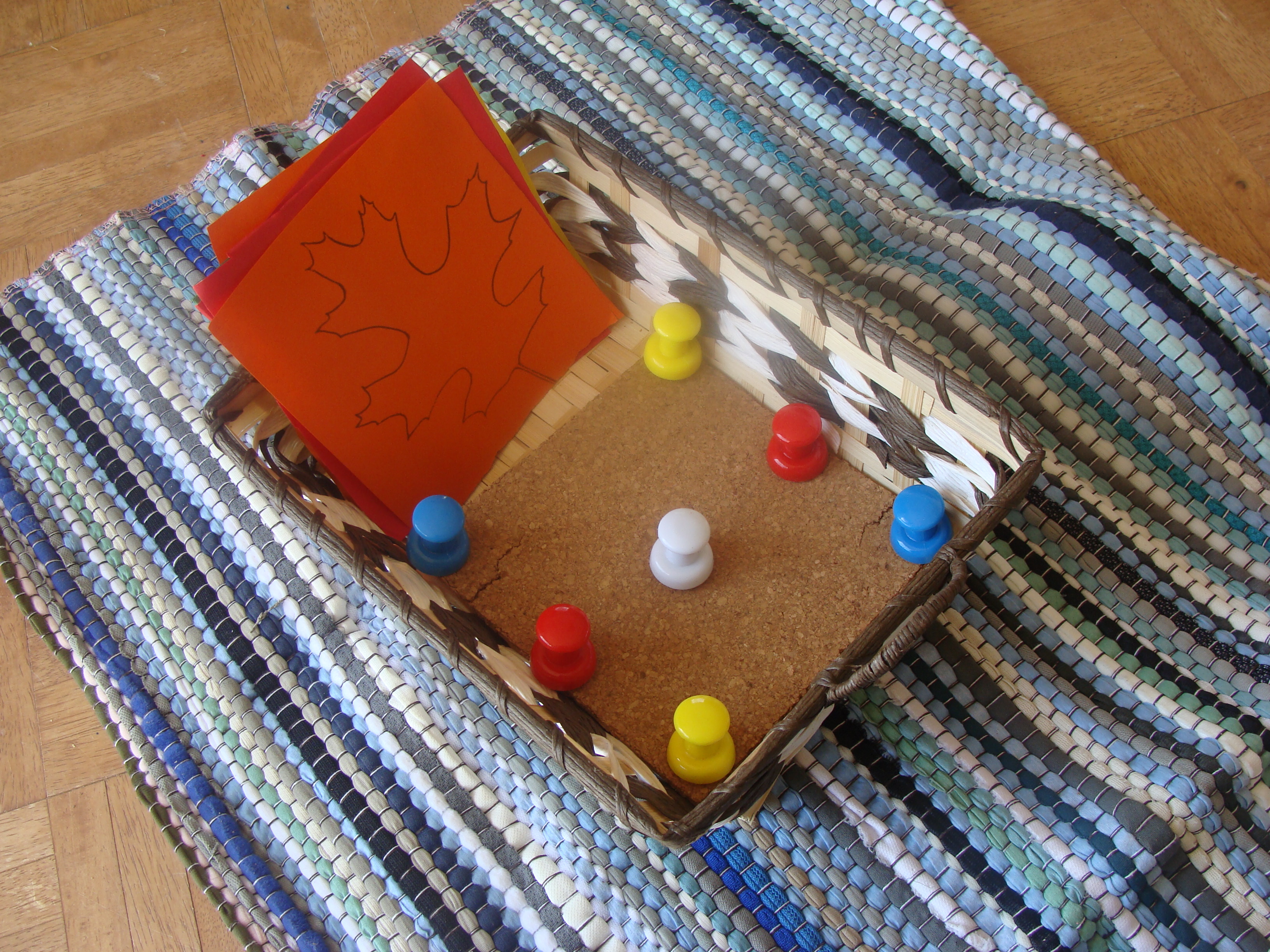
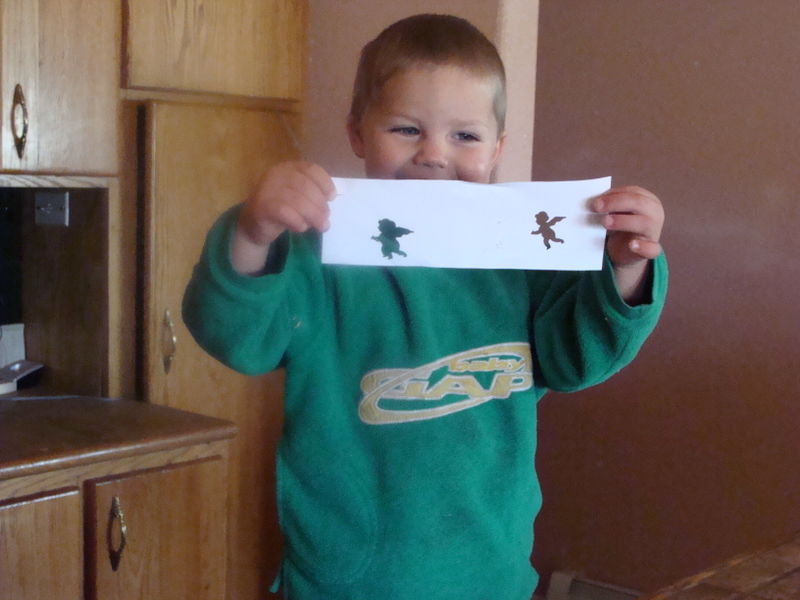
P is for pushpin work, another fun Montessori activity. This is typically connected with elementary geography work in Montessori schools but increasingly preschool teachers are introducing it as a prewriting activity. Here are some pictures of our pin work.  We printed off some seasonal clip art shapes and cut them to fit the cork tile squares we picked up at Walmart for next to nothing. You can find extra large push pins in the office supply section.  They are the perfect size for pin work since they are very close in diameter to crayons and pencils.  To do the work the child pins his shape to the cork tile,  gets a pin and begins to punch tiny holes around the shape essentially perforating it so he can pop it free from the paper. 
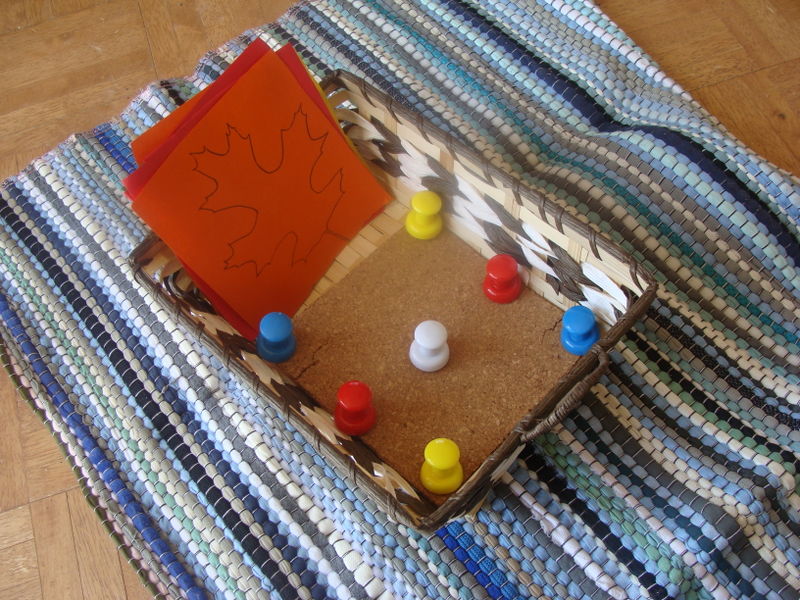
DSC01426

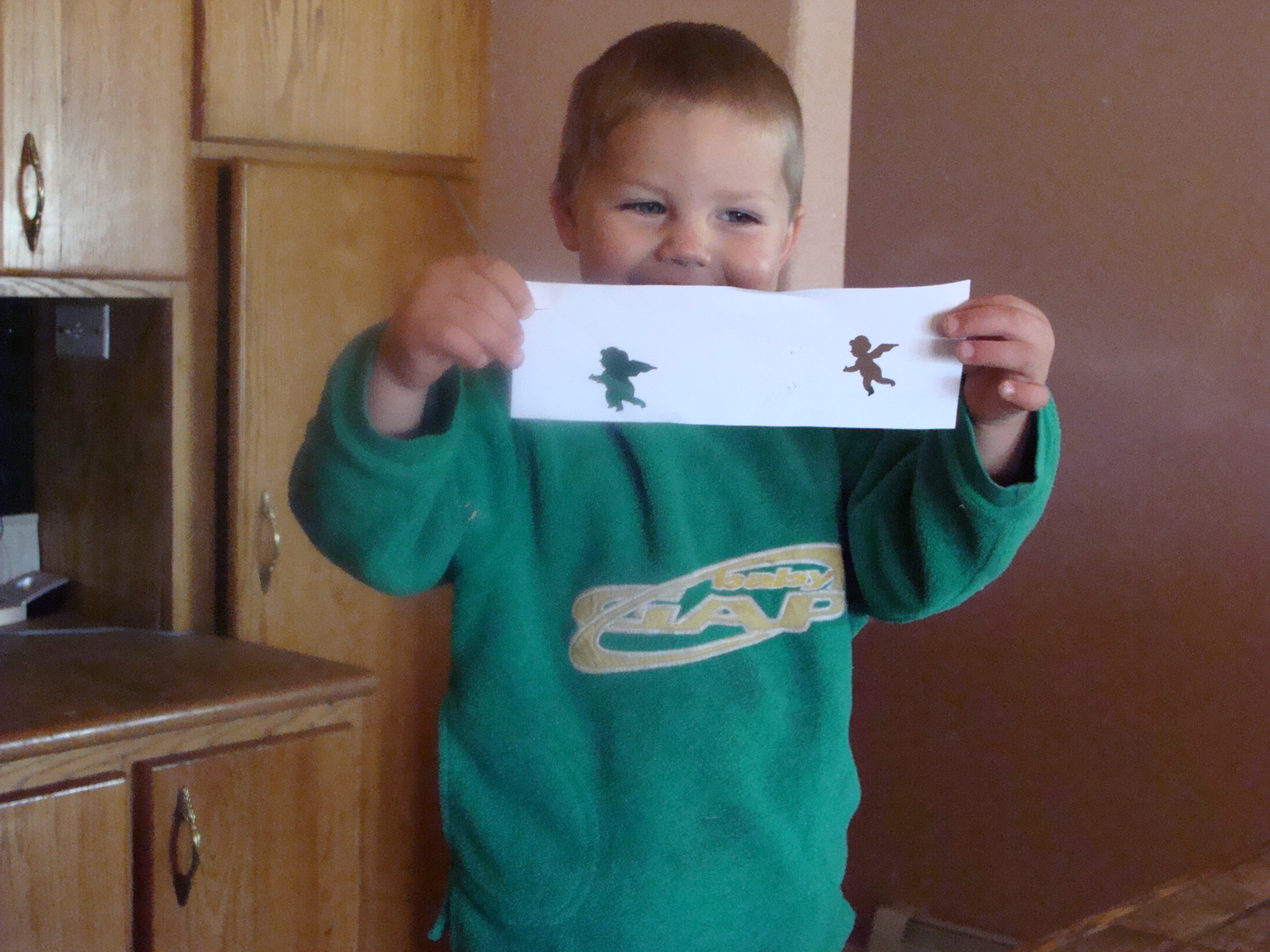
P is for Paper Punching!  Another favorite of late. Punches are readily available at craft stores. They REALLY work little hands so its best to begin with tiny ones and then work up to larger punches or you may meet frustration. Assemble a variety of punches and paper squares on a tray.  That's it!  If you like you can gather the punched pieces and include some larger papers and glue on another tray for more work. 
DSC01611

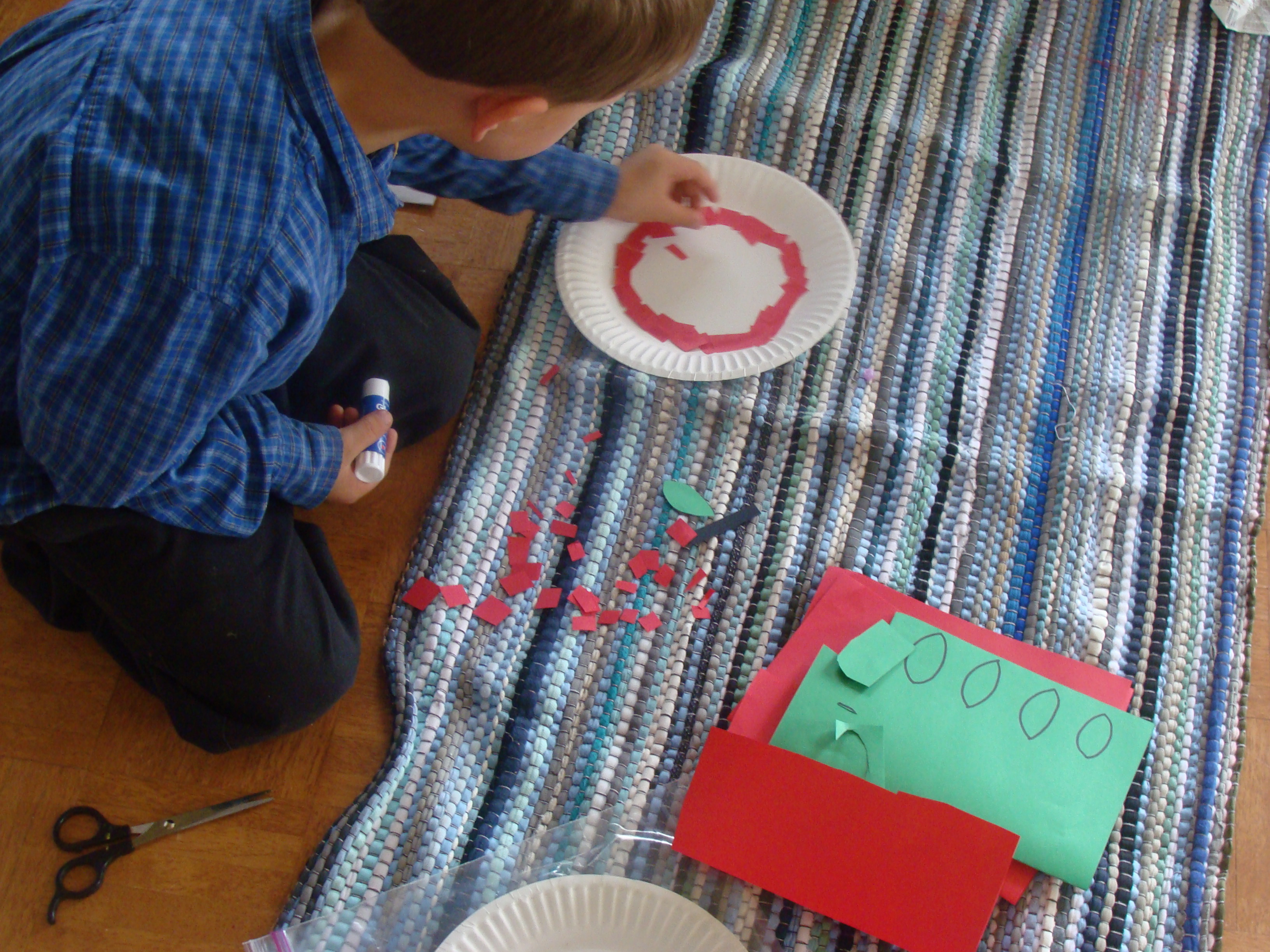
P is for Paper Crafts.  You know I can't leave that alone. ; )  Papercrafts can range from the sublime to the ridiculous. We have loved origami since we first read about a Japanese woman teaching a preschool class the ancient art many years ago. On the left sidebar (the art album) you can see some of the designs our under sixes have created from this site. The teacher at this blog includes a paper plate art activity regularly among her other activities. The idea is not so much that these make fantastic art per se but they DO require children to follow directions and work sequentially which are skills that will be necessary in many areas as they progress through school. 
DSC01463

P is for Practical Life activities.  Practical Life is Montessori's term for everyday life skill work such as tying shoes, self care, food prep, care of the environment and so on. It is put well here:

The purpose and aim of Practical Life is to help the child gain control in the coordination of his movement, and help the child to gain independence and adapt to his society. It is therefore important to “Teach teaching, not correcting” (Montessori) in order to allow the child to be a fully functionional member in hios own society. Practical Life Exercises also aid the growth and development of the child’s intellect and concentration and will in turn also help the child develop an orderly way of thinking.

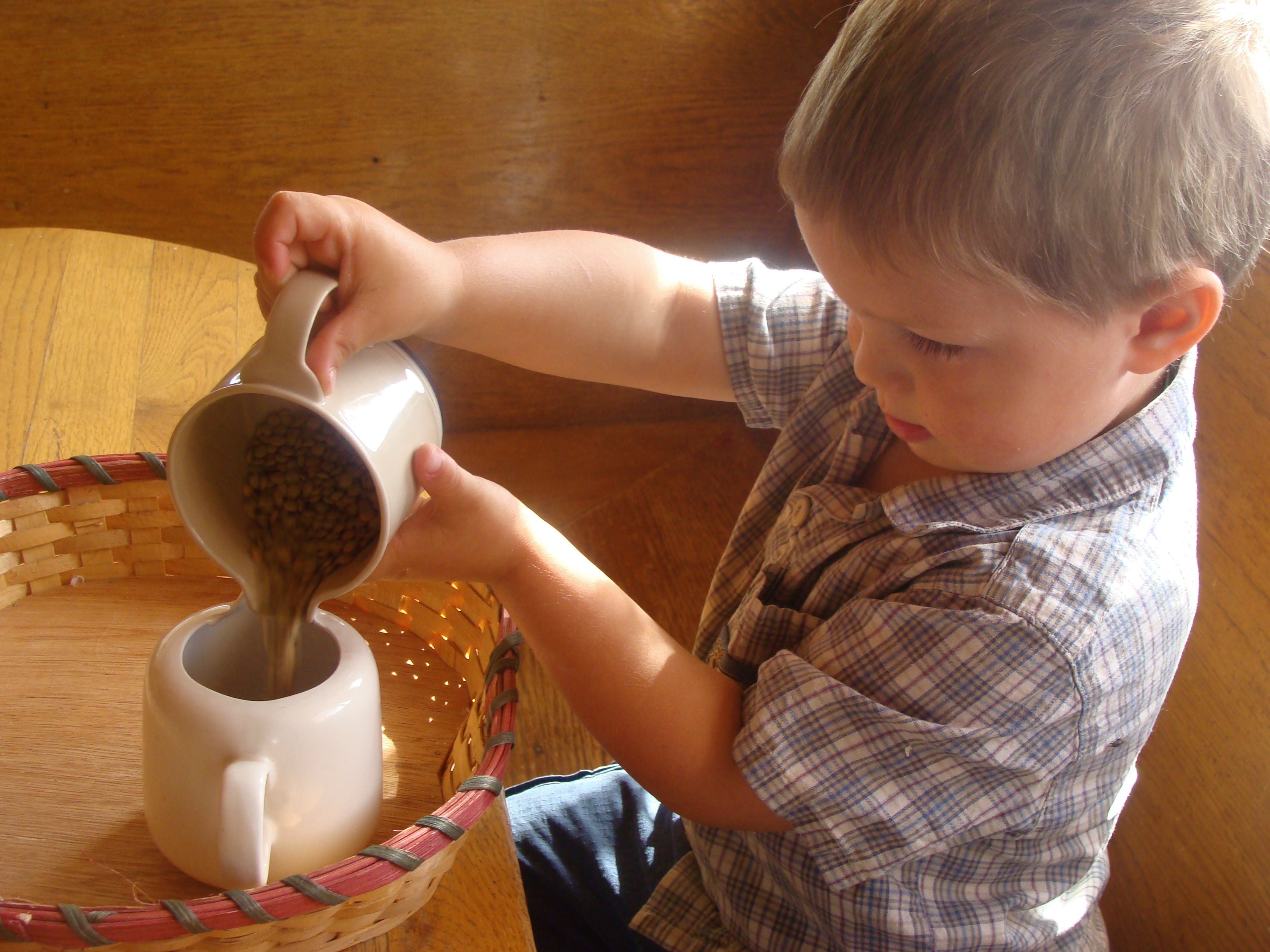
You can find many ideas at Montessori World.  For P week you may wish to begin with some Pouring work.  Get two pitchers (creamers work well) and fill one with dried peas. Demonstrate how to hold the full pitcher in the right hand and place the left hand fingers under the edge to balance while pouring into the empty pitcher.  You can progress to plastic cups with marker lines at various heights. 

DSC01469

Plant care is another practical life work. Any non toxic houseplant works. Discuss watering (and overwatering!) and dusting of the leaves. Provide a small watering can and spritzer. 

Pet care is another oft overlooked practical activity but can be easily incorporated into even urban settings.  A large animal is not necessary and is often a burden to children and parents. Small caged pets like birds or lizards  or fish work just as well. Keep some informational picture books nearby and assign the child the feeding and cleaning duties – with help and supervision of course.

Art

P is for Picture Study.  Many educational methods encourage exposing children to great works of art. A Montessori program used often is Mommy It's a Renoir. You can purchase art postcard sets to go with. They begin with simple matching exercises and work up to identifying schools of art. My friend Maureen had a wonderful nearly free idea. She chooses one piece of art per month (or quarter – you decide) and prints it off from the internet.  She also prints off some smaller versions of the same print and laminates them to make little magnets or simply tapes them around the house like on the bathroom mirrors.  This makes for painless review. By month's end the child easily recognizes the work. 

It doesn't get much easier than this. Cut the potato  in half. Carve simple shapes into the cut edge. dip into paint and press onto paper. 

Thrift stores and craft stores carry very inexpensive art prints.  Do try to include one in your school area. Art are another cheap option. You can purchase enough prints for a whole school year worth of monthly picture study that way. 

Snacks
Peanut butter, pasta, potatoes, pie, pizza, and pickles this week! A special cooking project would be making popcorn balls. Pie is another great option. Homemade pizza is an easy project for little people. You make the crust or buy a premade crust. Children can brush on the sauce and sprinkle veggies and cheese atop. 

Bible
P is for Pentecost    Kieran at five made this paper model of the pentecost. It took me a bit to figure out how to make it flip over but once we did it made quite a nice object lesson to go with the story. 
Image_p2p

More gov’t/elections work

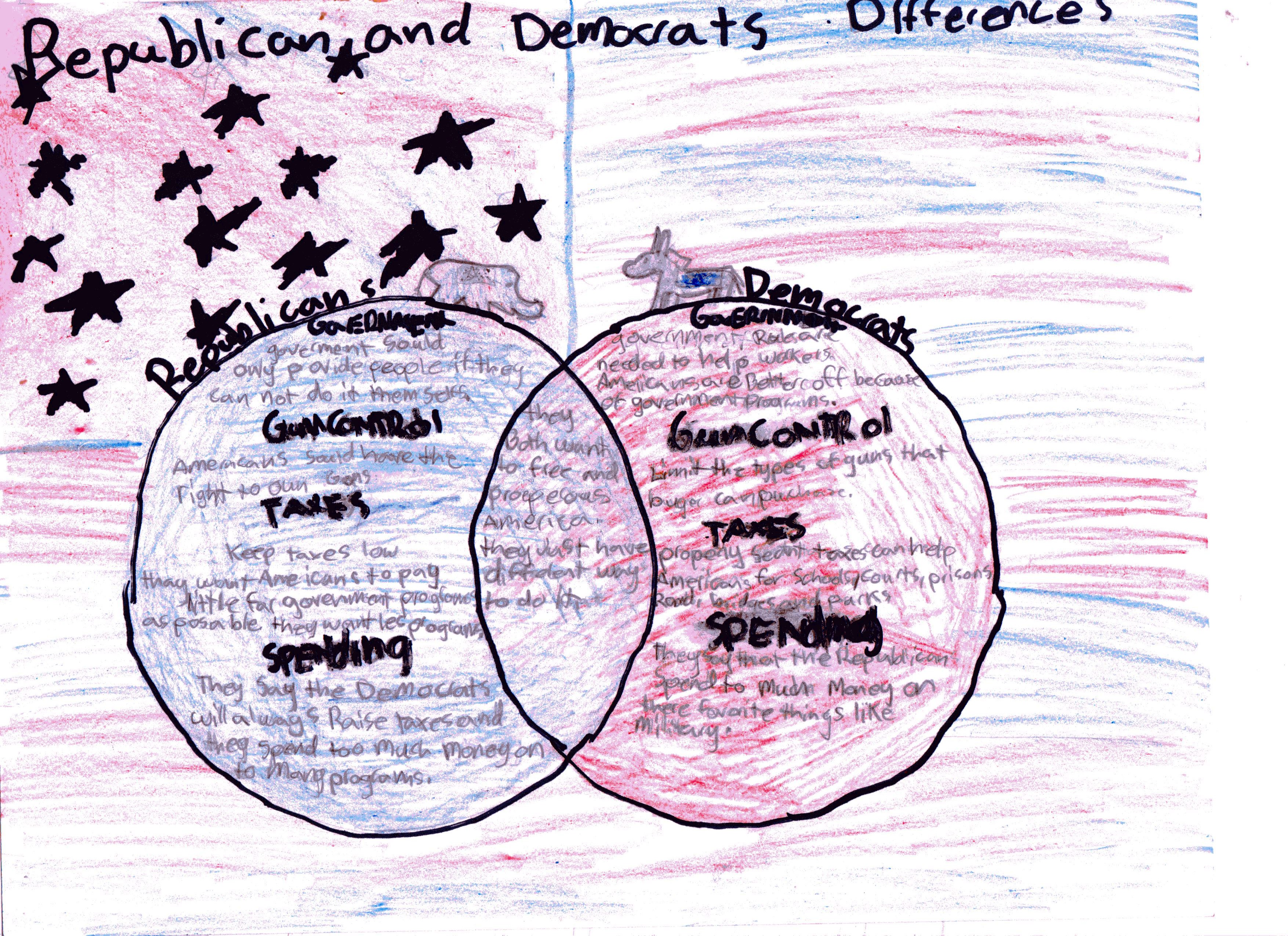
The latest study was comparing and contrasting the two major parties and discussing the role of third parties.  I uploaded a Venn diagram today as an example. The information was taken from the book Friendly Foes for what it's worth.  (I mention in case you may disagree with the presentation of a particular party shown here)  The point being the parties both share the goal of a strong America, yet they differ in how they define that. 

We have also enjoyed these sites:

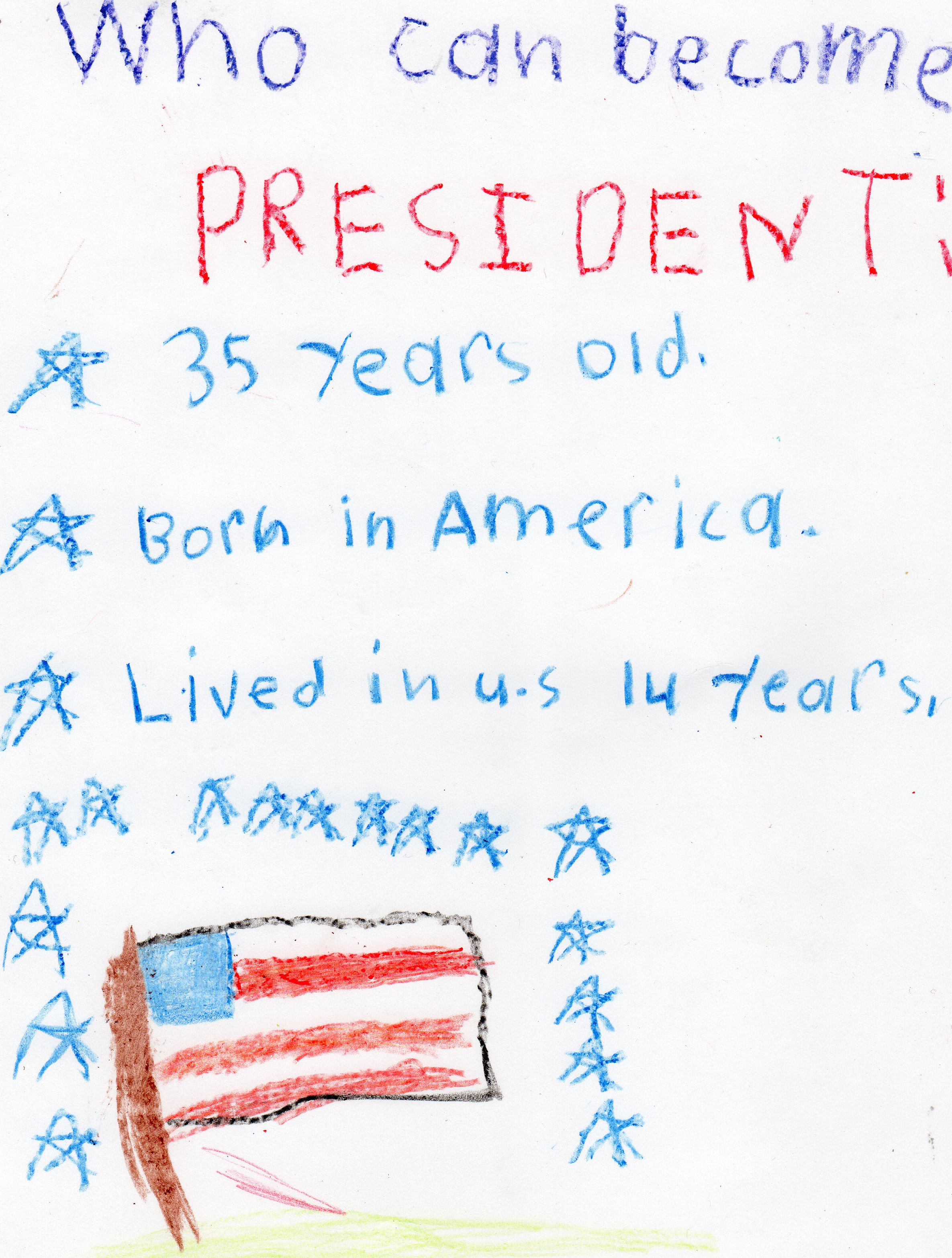
There are very simple explanations of the election process and the roles and qualifications of a president in the above.  The first link in particular is excellent for students of all ages and adjusts the level of detail from early elementary to high school information. 

We will be working on the steps to becoming elected president,the electoral college, and the President's cabinet this week and will continue to upload as we go. 

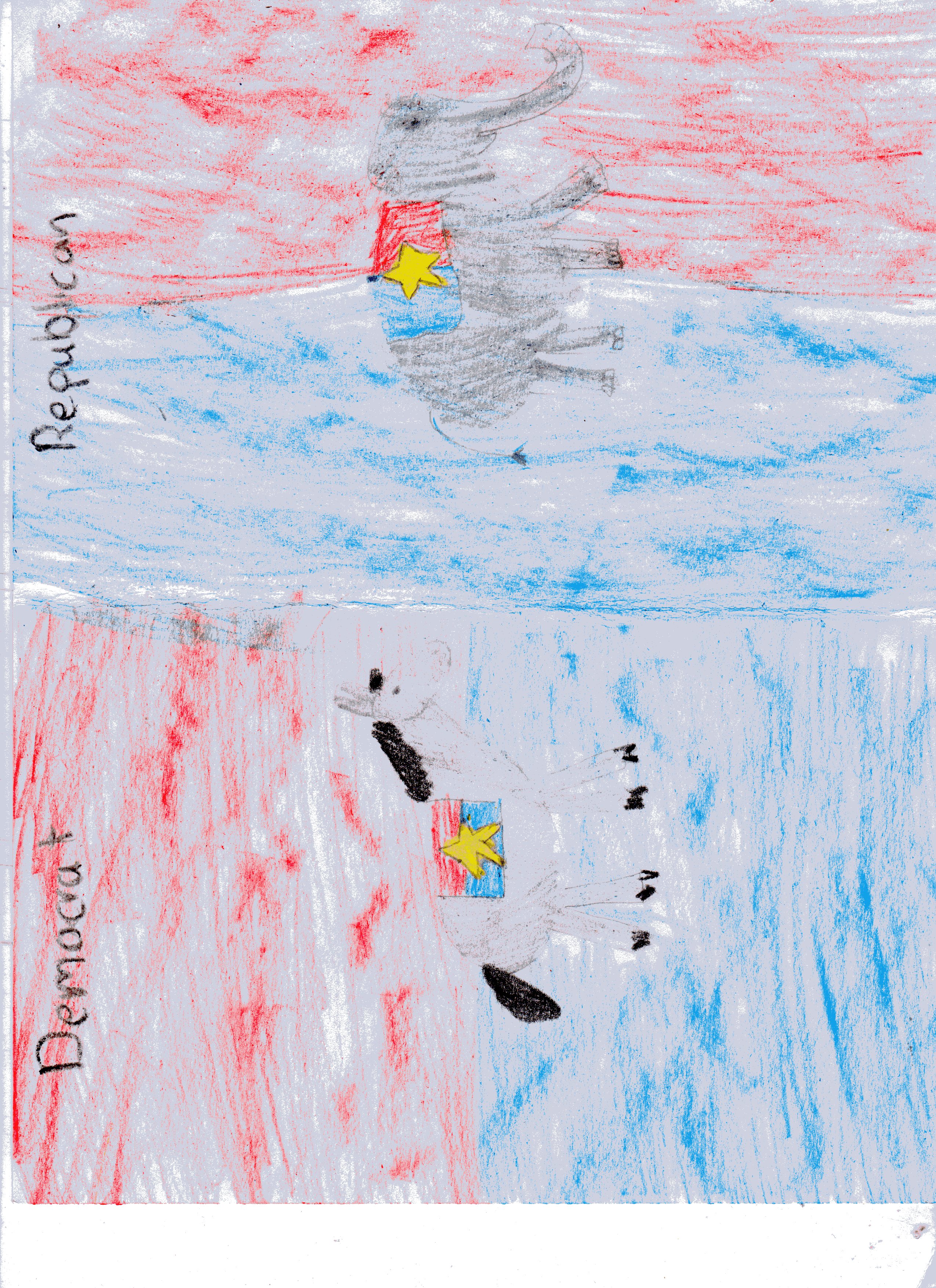
Next week we are planning a little party for election night to include party symbol cookies and mapping of the blue and red states. Nothing elaborate but hopefully they are beginning to understand the process. 

2 party venn

Caterpillars

Marsha Johnson advises us to “Make memories, not junk”. As a rule I try to live by that advice. We make a few exceptions, however, especially where busy preschoolers are concerned. Occasionally process wins out over product. This week was such a week. Not a particularly innovative craft but one which captivated these two.

The older kids have amazed me by all the critters they have found lately. Moira just hatched out a moth and has replaced it with new caterpillars. Brendan knows that caterpillars grow up to be butterflies (or moths). He was most pleased to make his own. And since Tess is never far behind him we helped her make one too.

Please excuse the wardrobe. We DO dress our children. We did this craft after dinner when the boys were at scouts. I figured it was smarter to just put on the aprons and toss them in the tub afterwards. Worked like a charm. No mess stress.

Dsc01405

Dsc01409

Dsc01407

Dsc01428

A Simple Lovely Life

I don’t know whether to list this as a school post or a lifestyle post. Probably there is a really simple way to do both but I haven’t figured it out. All I can tell you is I love this woman. LOVE love LOVE this woman. Rebecca sent me to her site and I haven’t been able to get enough of it since. She softly, gently, says many of the same words that have sustained me over the years. We have both birthed many children. We both home educate them. We both find solace and strength in simplicity. If these things resonate with you, do go visit. It will be an oasis of peace and inspiration.

In this post she addresses the importance of listening to the still small voice of God whispering His will for each of our children. In a noisy world full of advice and exhortation about the best way to raise and educate children it is often a challenge to follow His leading, especially when it is not in step with the crowd – whichever step they are dancing to at a given moment. She reminds us that we do better to silence the voices around us and know that the great big God who brought us these children will also give us the grace to raise them up. Be encouraged!